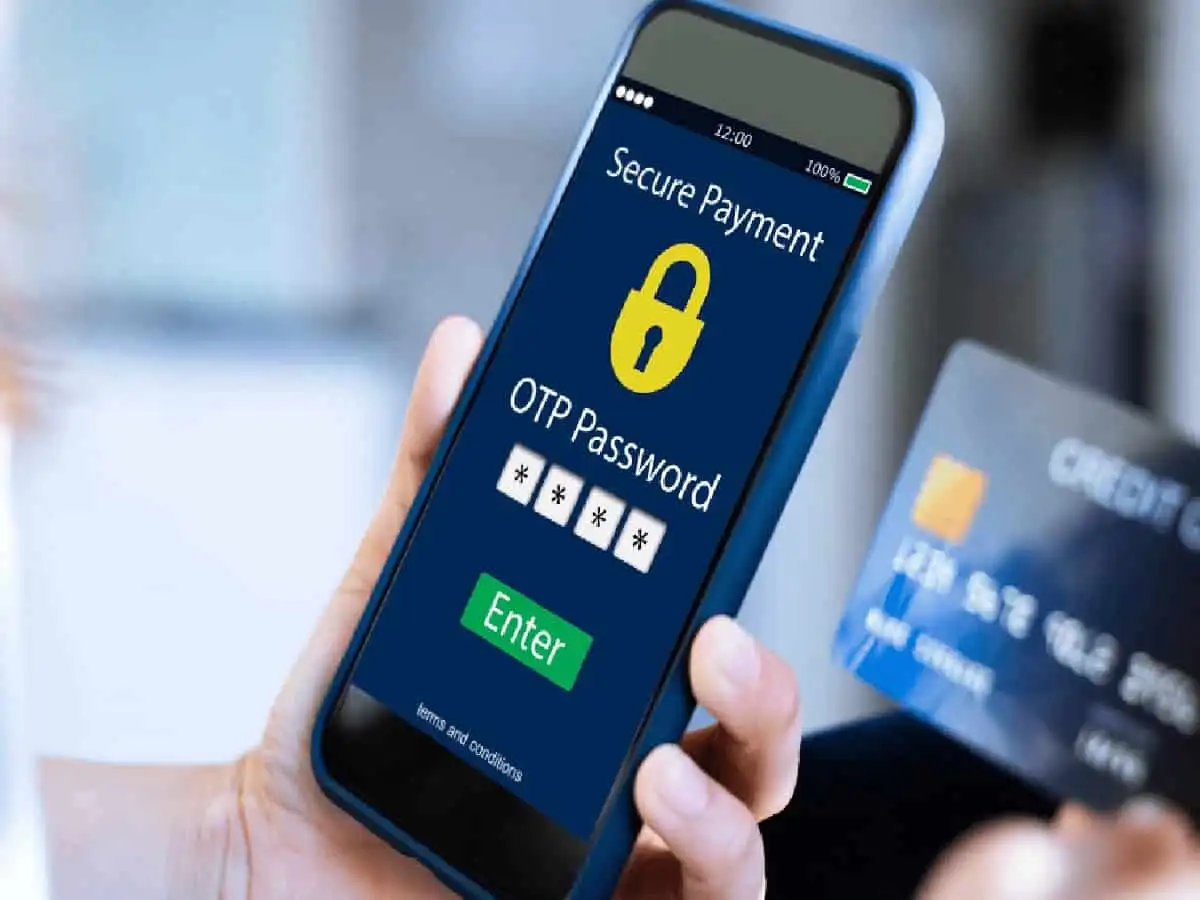
Every time you pay an electricity bill online, transfer money from your bank account, or complete a credit card purchase, a six-digit numeric code pings your mobile phone within seconds. Today, that One-Time Password (OTP) feels so routine that millions of Indians rarely pause to wonder where it came from—or how a simple SMS text message became the backbone of two-factor authentication across Indian banking. In a candid conversation on the interview show Zindagi with Richa (hosted by journalist Richa Anirudh), renowned IIT Madras professor, telecom pioneer, and entrepreneur Dr. Ashok Jhunjhunwala shared the remarkable story behind how banking OTPs took shape around 2005. Far from being born in a global software lab, the idea emerged from a practical Indian policy and banking debate over a straightforward question: how could banks bring low-cost digital card payments to ordinary citizens without unleashing a wave of credit card fraud? For everyday digital-banking users, students, and fintech watchers across Uttar Pradesh—including households and small businesses in Lucknow and neighboring commercial centers such as Unnao, Kanpur, Prayagraj, and Varanasi, where mobile-first banking and digital payments power daily commerce—understanding the origin of OTP highlights how homegrown engineering solved one of modern finance’s toughest trust problems.
During discussions around 2005 on expanding digital banking across India, Dr. Ashok Jhunjhunwala examined the stark cost gap between traditional branch cash withdrawals and electronic card payments:
| Transaction Channel (Circa 2005 Banking Cost Comparison) | Estimated Cost Incurred by the Bank | Operational & Security Takeaway |
| In-Branch Cash Withdrawal | Approximately ₹70 per transaction | Highest operational overhead due to branch staffing, cash handling, and physical infrastructure. |
| ATM Cash Withdrawal | Approximately ₹12 per transaction | Significantly cheaper than teller counters, yet still dependent on physical cash logistics. |
| Credit Card Digital Transaction | Approximately ₹2 per transaction | Lowest transaction cost—proving digital payments were the economical future of mass banking. |
Seeing that a credit card transaction cost a fraction of handling physical cash, Dr. Jhunjhunwala asked banking leaders why cards were not being issued widely to everyday customers. The answer came back immediately: fraud risk. Banks explained that if card numbers or magnetic-stripe details were compromised, unauthorized transactions could be pushed through easily, making mass card issuance financially perilous.
To close that vulnerability, Dr. Jhunjhunwala proposed pairing every card payment with a second, dynamic layer of verification tied to the customer’s mobile phone. Under his concept, whenever a customer initiated a transaction, the bank would dispatch a unique numeric code via SMS to the registered handset, and the payment would go through only after that code was entered. Even if a fraudster copied a card’s number and expiry details, the stolen credentials alone would be useless without physical possession of the cardholder’s mobile phone.
Turning that concept into reality in 2005 was far harder than it looks today. Back then, SMS messages were neither guaranteed to arrive instantaneously nor inexpensive to send at scale—a multi-minute delay would cause online payments to time out before the user could type the code. Because Dr. Jhunjhunwala was serving on the board of Tata Teleservices at the time, he raised the challenge directly with the telecom operator’s engineering team, asking whether their network could deliver transactional SMS alerts in real time. Once the engineers confirmed that real-time routing was technically achievable, development moved forward—and during that rollout, someone coined the term OTP (One-Time Password) to describe a single-use code valid for just one transaction. What began as an answer to credit card fraud soon evolved into a universal security standard across Indian banking, e-commerce, and digital citizen services.