
The recent release of Namit Malhotra’s Ramayana has brought the ancient epic back into popular conversation.
However, another side of the story is finding its way onto travellers’ itineraries.
From the forests of Chitrakoot and the landscapes of Hampi to the temples of Rameswaram and the hills of Sri Lanka, the Ramayana has inspired a travel trail that stretches across countries, cultures and centuries.
For some, it is a pilgrimage. For others, it is an opportunity to revisit a story they grew up listening to.
Ramayana Trail follows the journey of characters from an epic. Photo: Chitrakoot/Unsplash
Recently, a growing number of travellers, particularly younger Indians, are finding that the Ramayana travel trail is a way of discovering destinations through the stories, folklore and traditions associated with them. But how did it begin? Let’s start from the very beginning.
What Is A Ramayana Travel Trail?
Unlike most travel itineraries built around a particular landscape, cuisine or historical period, the Ramayana Trail follows the journey of characters from an epic. It connects places associated with Lord Rama, Sita, Lakshmana, Hanuman and Ravana, taking travellers through riverbanks, forests, temples, caves and ancient settlements.
But how did a story that travelled through generations of oral storytelling eventually become a tourism experience with its own routes, itineraries and international appeal?
How The Ramayana Became A Travel Trail
The Ramayana was never confined to the pages of a book. For centuries, its stories travelled through folk performances, temple traditions, regional literature, religious practices and oral storytelling.
As different communities embraced the epic, they also developed their own interpretations and associated local landscapes with particular episodes from the story.
A riverbank became associated with Sita, a cave with Ravana, and a hill with Hanuman. Over time, these places acquired religious and cultural significance, attracting pilgrims and curious travellers alike.
“The Ramayana has done that for more than two thousand years. It wasn’t preserved in one book on one shelf. It was carried, by grandmothers at bedtime, by priests in temples, by wandering storytellers, by the Ramlila staged every year in thousands of towns. Each generation handed it to the next personally, and each added a little of itself,” says Aviral Gupta, CEO of Zostel, an Indian multinational hostel chain with over locations across India, Nepal, Thailand and Europe.
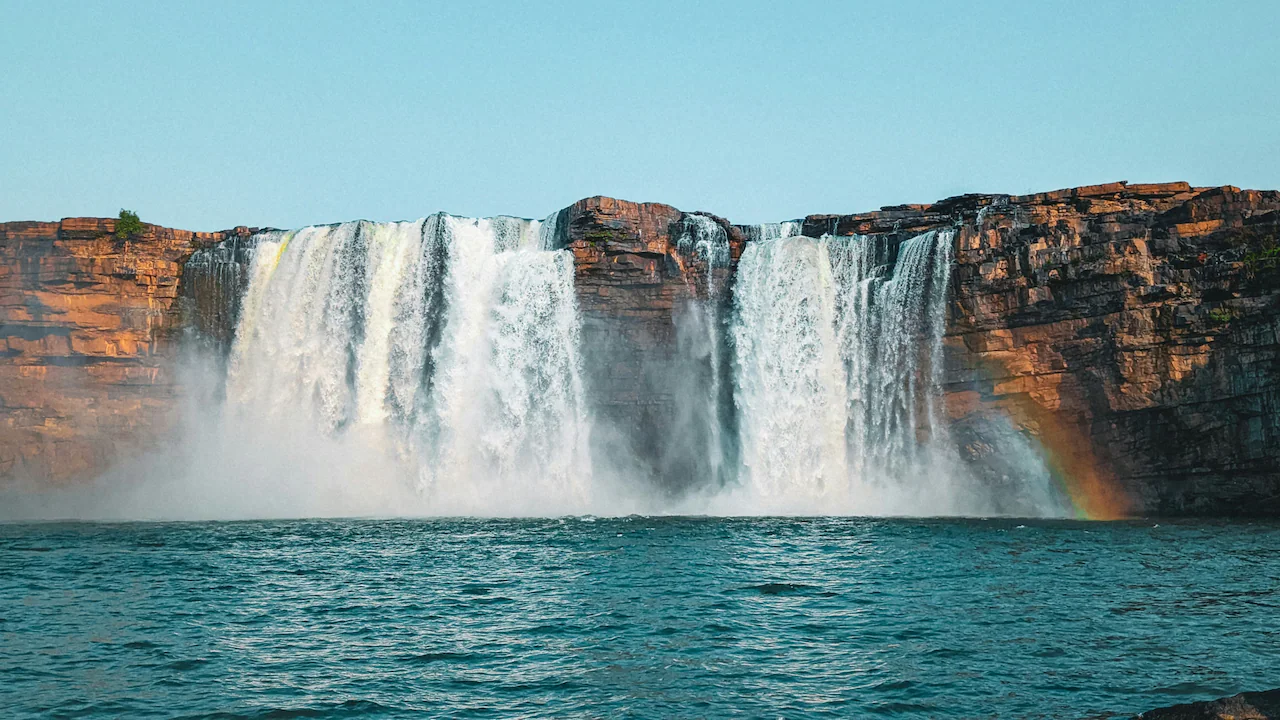
The Ramayana was never confined to the pages of a book. Photo: Unsplash
He believes the journey from an ancient epic to a travel experience was a gradual one, shaped by generations of people who kept its stories alive.
“None of this was planned as a route. Over centuries, these local memories quietly joined up across the country, and the route appeared on its own,” he adds.
It is important to distinguish between the ancient pilgrimage traditions and the modern tourism route, though. The organised Ramayana Trail, as a named tourism initiative, is a relatively recent development.
In Sri Lanka, the Sri Lanka Tourism Development Authority began promoting the Ramayana Trail in 2008, bringing together sites traditionally associated with Sita’s captivity, Hanuman’s search and Ravana’s kingdom.
In India, the Ministry of Tourism identified the Ramayana Circuit under its Swadesh Darshan scheme, launched in 2014-15. The initiative aimed to develop tourism infrastructure around destinations associated with the epic, including Ayodhya, Chitrakoot, Nashik, Hampi and Rameswaram.
More recently, the ‘Ramayana Trail – The Sacred Mission’ was launched in Colombo, Sri Lanka, in April 2024, giving fresh momentum to the India-Sri Lanka cultural and religious tourism connection.
Two Countries, One Epic
One of the most fascinating aspects of the Ramayana Trail is that it does not end at India’s southern coastline. It crosses the Palk Strait into Sri Lanka, where a different chapter of the epic takes centre stage.
The Indian route largely follows Rama’s life, from his birth and exile to his journey through the forests, his alliance with Hanuman and Sugriva, and his eventual arrival at the southern coast.
A typical itinerary begins in Ayodhya and moves through Prayagraj, Shringverpur, Chitrakoot, Nashik and Hampi before reaching Rameswaram. Dhanushkodi, at the southeastern tip of Tamil Nadu, is often included as the final coastal stop associated with the journey towards Lanka.

Ramayana Trail is one that does not end at India’s southern coastline. Photo: Unsplash
The Ministry of Tourism’s broader Ramayana Circuit identifies 15 destinations across several states, including Uttar Pradesh, Bihar, Madhya Pradesh, Odisha, Chhattisgarh, Maharashtra, Telangana, Karnataka and Tamil Nadu.
Sri Lanka, meanwhile, offers a different perspective. Its trail focuses on the episodes associated with Sita’s captivity, Hanuman’s search, Ravana’s kingdom and the events surrounding the war.
The journey commonly begins around Chilaw, covering Munneswaram and Manavari, before moving towards Kandy, Ramboda and Nuwara Eliya. The latter has one of the most prominent clusters of Ramayana-associated sites, including Seetha Amman Temple and the traditionally identified Ashoka Vatika.
Other stops include Divurumpola, associated with Sita’s fire ordeal, Ravana Cave and Ravana Falls in Ella, Sri Bhaktha Hanuman Temple, Kelaniya and Ussangoda. Longer itineraries may also include Koneswaram Temple in Trincomalee.
The Sri Lanka Tourism Development Authority has identified 52 sites for promoting the Ramayana Trail, with official itineraries ranging from six days to nearly 12 days.
How Ramayana Trails Help in Discovering Local Cultures
For some travellers, the appeal of the Ramayana Trail goes beyond visiting temples and ticking off places associated with the epic. Each destination offers an opportunity to discover a different landscape, local culture and way of life.
Take Chitrakoot, for instance. Associated with Rama’s years in exile, the town offers riverfront ghats, forest landscapes and evening aartis.
Hampi offers a rather different experience with its dramatic boulder landscapes and the ruins of the Vijayanagara Empire.
Then there is Wayanad in Kerala, which offers a lesser-known perspective through its tribal communities and regional traditions.
What The Numbers Say
According to Zostel’s internal booking data, heritage destinations accounted for 14.9 per cent of all its bookings, roughly one in seven trips.
Bookings in this category increased from 67,788 in FY24 to 83,235 in FY26. Hampi alone recorded 9,738 bookings, registering a 15.7 per cent year-on-year increase. The company also found that around one in four heritage travellers returned within 24 months.
Gupta believes that the appeal lies in the way the same epic takes on a different character in every destination.
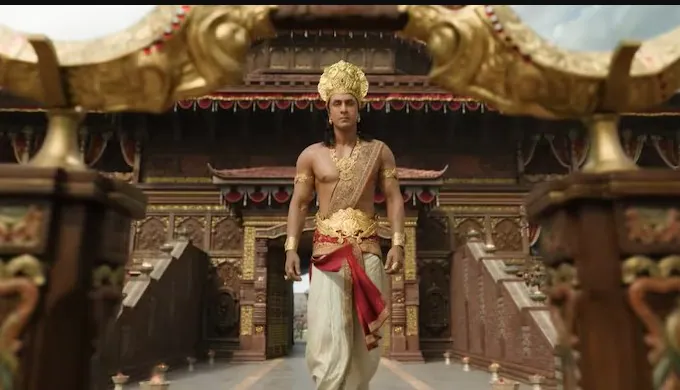
Heritage destinations accounted for 14.9 per cent of all total Zostel bookings.
“The epic becomes a doorway into each region’s culture, history and cuisine. You arrive for a story and leave understanding a people,” he says.
Ravi Gosain, President of the Indian Association of Tour Operators (IATO), the national apex body of the tourism industry in India, also believes that these destinations are gradually developing experiences that bring together mythology, architecture, nature and local culture.
“Places like Wayanad also offer tribal stories and narratives that give a new interpretation to the epic. It is possible to learn about the traditional arts, local history, food, festivals and building styles in both places. This way, mythology tourism has added depth to the understanding of the Ramayana apart from the stories,” he explains.
The Ramayana Has Never Had Just One Version
Another reason the trail is particularly interesting is that the Ramayana is not interpreted in exactly the same way across India, let alone the world.
There is Valmiki’s Ramayana, Tulsidas’ Ramcharitmanas and Kamban’s Ramavataram, alongside several tribal and folk interpretations. Beyond India, the epic has travelled into Southeast Asia, inspiring versions such as Thailand’s Ramakien and Indonesia’s Kakawin Ramayana.
These retellings have their own cultural nuances, characters and storytelling traditions. Treating every destination as an extension of one definitive version of the epic would mean missing out on much of what makes the trail special.
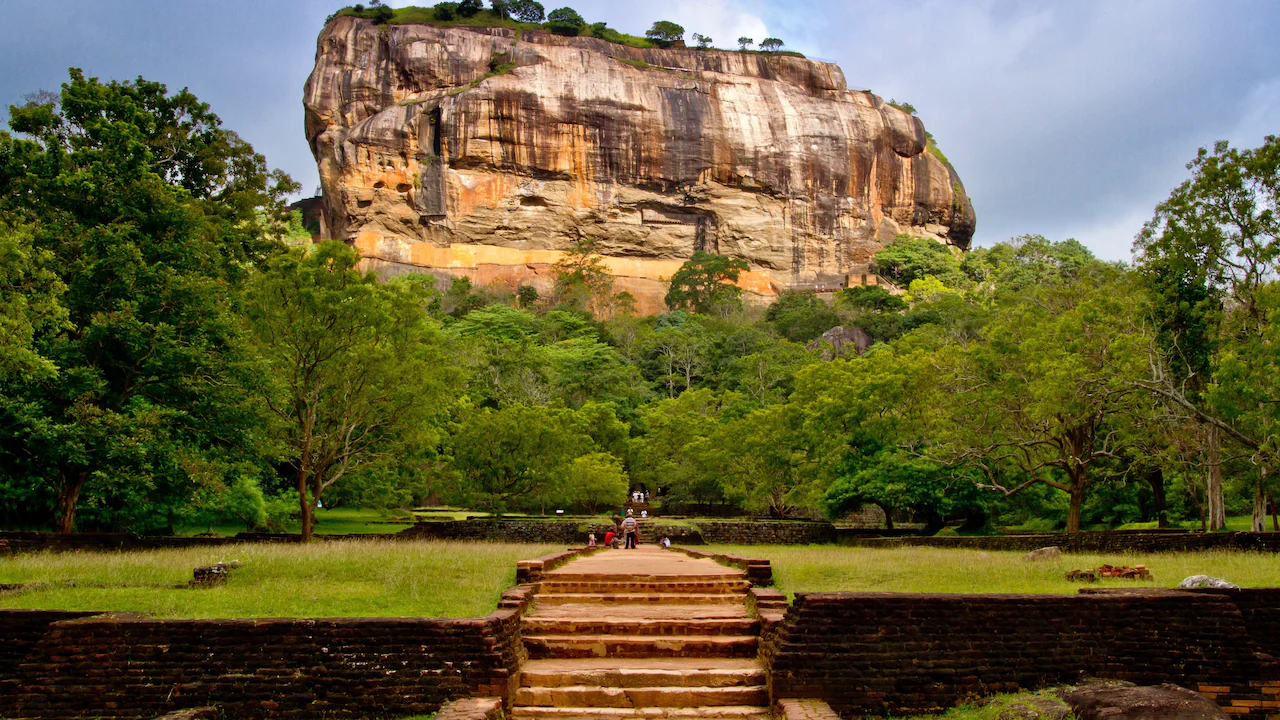
Ramayana has travel trails not only across India, but around the world. Photo: Unsplash
Gupta believes that the best way to develop the route is to allow different communities to tell their own stories.
“By remembering that the Ramayana was never one story to begin with. There is Valmiki’s telling, Tulsidas in the north and Kamban in the south. Thailand has the Ramakien and Java has the Kakawin. And there are tribal and folk versions that match none of them,” he says.
He adds, “So the tale should be a trail of many tellings, not one script. Travellers should hear each version from the people who carry it, whether a temple priest, a folk performer or a tribal elder.”
Gosain echoes the need for a more inclusive approach, suggesting that local authors, tribal groups and cultural representatives should be involved in interpreting the trail.
What Does It Cost?
- For Sri Lanka, a six-day, five-night Ramayana package can start at approximately Rs 50,000-55,000 per person, while seven- to eight-day itineraries can cost around Rs 60,000-90,000, depending on accommodation, transport and inclusions. International flights are generally extra.
- An India-wide itinerary is considerably more variable in cost, as it involves travelling across multiple states. Accommodation, private transport, guides and the choice between road, rail and air travel can significantly affect the budget.
For travellers who want the complete narrative, combining the two countries makes for a particularly interesting journey.