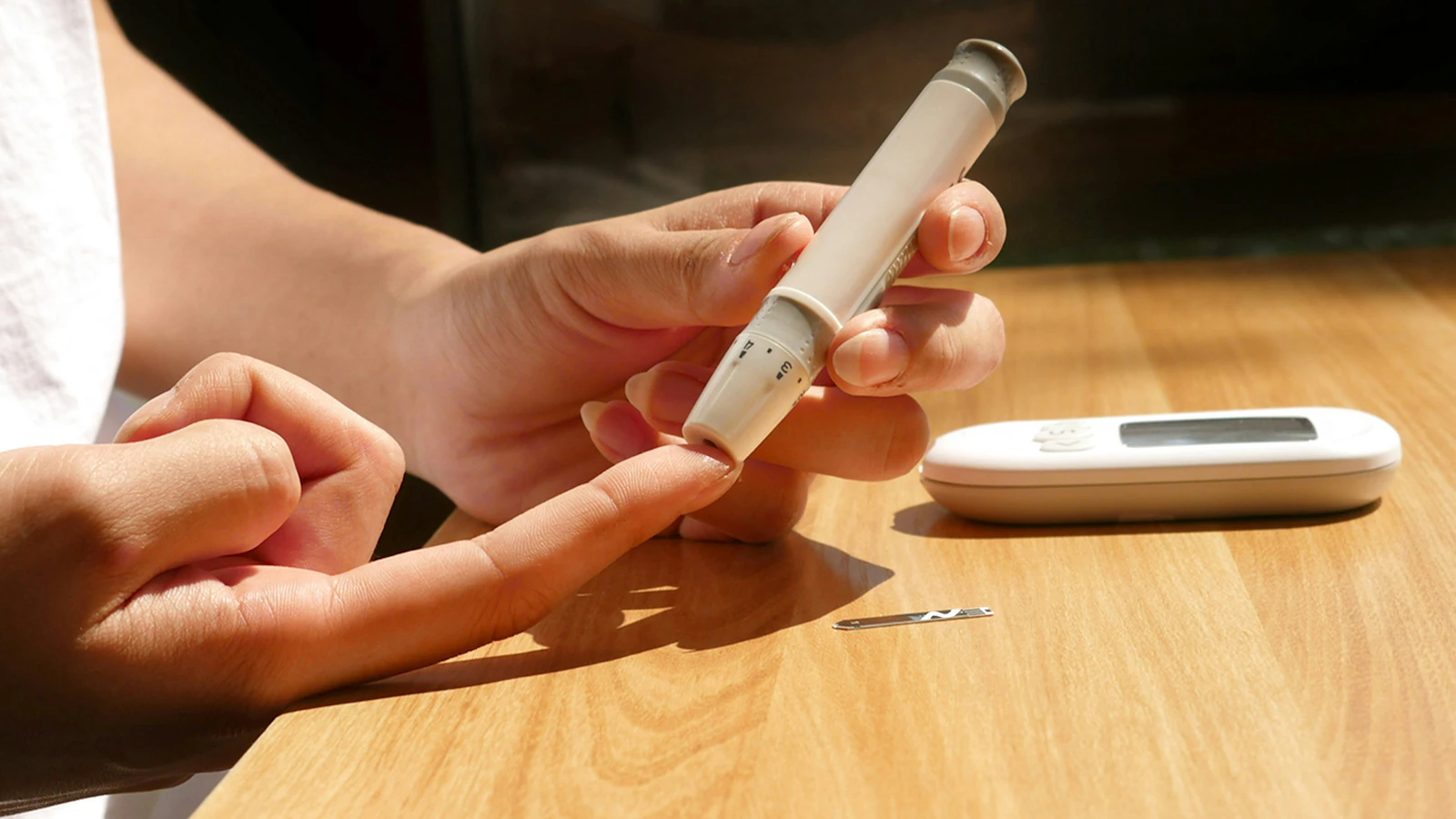
Diabetes is no longer a health concern that people only need to think about as they age. Type 2 diabetes is being seen in younger adults too, making it extremely important to pay attention to everyday habits from an early stage. In fact, basic things like how we eat, stay active or sleep can play a major role in our health.
On November 14 every year, we celebrate World Diabetes Day. This day serves as a reminder to take these risks seriously. While family history is something that's beyond our control, there are changes we can make to our daily routine that might prevent or control the risks of getting diabetes.
ALSO READ | Best Way To Eat White Rice For Stable Blood Sugar On Diabetes And Weight Loss Diet
World Diabetes Day 2026: How To Prevent Early Diabetes With These 7 Everyday Changes
1. Ragi, Jowar And Bajra – Choose Better Carbs Over Refined Foods
The first step to prevention starts with your plate. You don't have to give up on carbohydrates to lower your diabetes risk. What actually matters is choosing the right kind of carb.
Instead of eating mostly refined foods like flour and white bread, try including more whole grains in your meals. Whole wheat, oats, millets such as ragi, jowar and bajra, and quinoa are some options.
As per Nutritionist Shikha, “Majority of us have a sedentary life and we don't need more than three servings of carbs per day.” She suggests choosing healthier carbohydrate sources such as millets, ragi, jowar, bajra, oats, quinoa and rice instead of relying on store-bought processed foods.
In fact, nutritionist Rupali Datta says that replacing refined grains with whole grains will give you more fiber, which can in turn slow your digestion and help control the rise of blood sugar after a meal. Fiber from millets, whole grains, legumes, vegetables, nuts and seeds feeds beneficial gut bacteria. While doing so, they generate short-chain fatty acids, such as butyrate, which help to fortify the intestinal barrier function and regulate inflammation and insulin sensitivity, adds Dr Debojyoti Dhar, co-founder and director of BugSpeaks.
2. Nuts, Seeds And The Right Cooking Oils – Don't Cut Out Healthy Fats
When people try to eat healthier, fats are often among the first things they remove from their diet. But not all fats are the same. Nuts and seeds provide unsaturated fats, along with other nutrients. The type of oil used in everyday cooking also matters.
Rupali Datta suggests including sources of monounsaturated fats, like olive, peanut and mustard oil. She also points to omega-3 sources such as fatty fish, walnuts, flaxseeds and chia seeds.
You can also pair carbohydrates with proteins and healthy fats. As per Gupta, getting enough protein helps “keep your blood sugars stable”. The idea is not to remove fats, but to choose their sources carefully and be mindful of portions.
3. Dals, Eggs And Fish – Make Sure Your Meals Have Enough Protein

Photo: Unsplash
A plate of food should offer more than just carbohydrates. Adding a source of protein can make a meal more balanced and keep you full for longer. Dals, beans, eggs, fish and poultry are some options.
Rupali Datta recommends choosing lean protein sources such as chicken, eggs and fish. She also advises limiting processed meats and high-fat red meat.
4. Packaged Juices And Soft Drinks – Say No To On Sugary Drinks
A glass of packaged juice or a bottle of sweetened iced tea may not seem like much to you, but these drinks can add a considerable amount of sugar to your diet. Soft drinks, packaged fruit juices and sweetened iced teas are worth limiting, especially if you have them regularly.
Majumdar says, “Eating healthy with plenty of fiber, fruits, vegetables, whole grains, and protein, but low in refined carbs and other processed foods is one step.” Cutting down on sugary drinks and processed foods can be a practical place to start.
5. Brisk Walking And Strength Training – Make Time For Daily Movement
You don't necessarily need an elaborate workout plan to become more active. A brisk walk, taking the stairs or finding time for some movement during the day can be a good place to start.
Majumdar recommends physical activity for at least half an hour every day, such as brisk walking. But you should also combine cardio with strength training.
“A combination of strength training and cardio will help increase your insulin sensitivity as your muscles soak up the glucose in the bloodstream, maintaining blood sugar levels,” says Gupta.
ALSO READ | Which Roti Is Best For Diabetics? Expert Weighs In
6. Healthy Weight, Proper Sleep And Less Stress – Don't Ignore The Basics

Photo: Unsplash
Food and exercise are important, but they are not the only things that matter. Maintaining a healthy weight, getting enough sleep and managing stress are also part of looking after your health.
Rupali Datta highlights weight management as an important part of reducing diabetes risk. Majumdar also stresses the need to maintain a healthy weight, get adequate sleep and reduce stress. As he puts it, “Prevention of diabetes is not about drastic dieting or temporary fitness regimes. It is about making healthy habits part of our lives.”
7. Blood Sugar Tests – Don't Put Them Off If You Are At Risk
One reason diabetes can go unnoticed is that blood sugar levels may remain high for some time without obvious symptoms. People with a family history of diabetes, excess weight or other risk factors should speak to their doctor about when to get tested.
Majumdar also stresses the importance of regular blood sugar checks for people with risk factors. He says, “Early recognition and healthy practices can prevent diabetes.”
Preventing or delaying Type 2 diabetes is not about following a drastic diet or making several changes all at once. It is about paying attention to everyday choices and sticking to healthier habits over time.
Disclaimer: This content including advice provides generic information only. It is in no way a substitute for qualified medical opinion. Always consult a specialist or your doctor for more information. NDTV does not claim responsibility for this information.