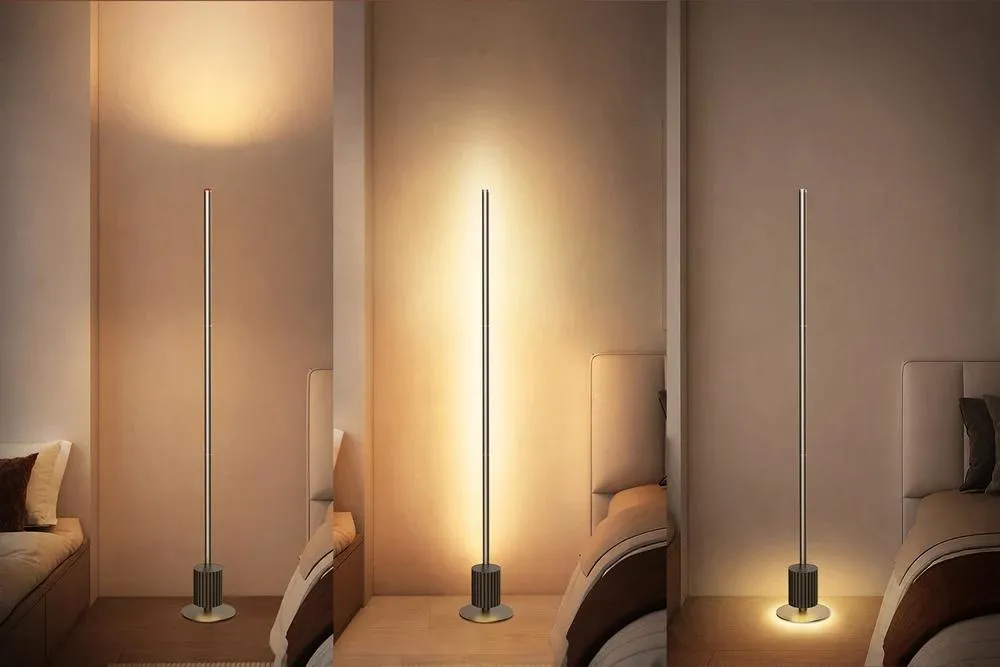
Lighting plays a major role in how a room looks, feels, and functions. However, relying on a single ceiling light often creates harsh brightness, dark corners, or an uncomfortable atmosphere. The solution is triple-zone lighting, which combines ambient, task, and accent lighting to create a more balanced and versatile space. Each layer serves a different purpose, from providing comfortable overall illumination to supporting daily activities and adding visual depth. Whether you want a relaxing living room, a productive home office, or a cozy bedroom, understanding how to combine these three lighting zones can help you create the right atmosphere for every occasion.
Understanding the Three Zones of Room Lighting
Ambient Lighting: Build a Comfortable Foundation
Ambient lighting is the base layer that makes a room feel usable, comfortable, and visually balanced. It provides overall illumination, reduces harsh contrast, and helps people move through the space safely. Good ambient light should feel even rather than glaring, with brightness suited to the room’s size and purpose. Ceiling fixtures, wall lights, and wall-washing floor lamps can all support this layer effectively. For a softer ambience, choose warm or neutral white light in bedrooms and living rooms, while slightly cooler tones often work better in home offices. Dimmers make this zone more flexible, letting you shift from bright daytime lighting to a calmer evening setting without changing fixtures or disrupting the room’s design.
Task and Accent Lighting: Balance Function and Style
Task lighting supports specific activities such as reading, cooking, working, or grooming by directing light where clarity matters most. Desk lamps, bedside lights, under-cabinet strips, and focused floor lamps help reduce eye strain and improve visibility. Accent lighting serves a different role: it adds depth, highlights architectural features, artwork, plants, or textured walls, and creates atmosphere. Together, these two layers make a room feel intentional rather than flat. The goal is balance, not competition. Task light should be bright enough for function, while accent light should remain subtle and decorative. When combined with a solid ambient base, these zones give the room dimension, comfort, and a more polished, inviting overall look.
How to Plan a Triple-Zone Lighting Setup
Identify Room Activities and Lighting Requirements
Start by listing what actually happens in the room throughout the day. A living room may need soft general light for relaxing, brighter task light for reading, and accent light for entertaining. A bedroom may require gentle ambient light, focused bedside lighting, and subtle highlights for a calmer mood. Once activities are clear, match each one to a lighting layer. This prevents relying on a single overhead fixture for every need. Think about where glare appears, where shadows fall, and when brighter or dimmer light is useful. Also consider natural daylight and how the room changes from morning to night. A good triple-zone plan supports comfort, function, and mood without making the space feel overlit or visually cluttered.
Choose the Right Fixtures, Placement, and Brightness
Choose fixtures that support each zone without crowding the room. Place ambient lighting high or against walls to spread illumination evenly, task lighting close to work areas, and accent lighting where it can add depth or draw attention. Brightness matters just as much as placement. For example, the nova led floor lamp, Nova Floor Lamp Pro, delivers triple-zone wall-washing light with 1200 lumens, 16 million colors, and tunable white from 2700K to 6500K, making it useful for both mood lighting and practical illumination. Its segmented RGBWWIC design helps create distinct layers in one corner footprint. Keep fixture scale proportional to the room, and use dimming whenever possible. The best setup feels flexible, controlled, and comfortable instead of overly bright, scattered, or visually unbalanced.
Practical Ways to Create Better Room Ambience
Layer Warm and Cool Lighting for Different Moods
Using both warm and cool light helps a room adapt to different times, activities, and emotional tones. Warm light, especially in the 2700K to 3000K range, feels restful and works well for bedrooms, living rooms, and evening routines. Cooler light supports alertness, making it better for desks, hobbies, and daytime productivity. In a triple-zone setup, you can keep ambient lighting warm, use cooler task lighting where focus is needed, and add accent lighting to shape mood or visual interest. This creates a room that feels dynamic rather than one-note. The key is not mixing temperatures randomly. Assign each tone a purpose, then adjust intensity so the layers complement one another and maintain a cohesive, comfortable overall ambience.
Use Smart Lighting to Adjust Scenes and Atmosphere
Smart lighting makes triple-zone control much easier because it lets you change brightness, color temperature, and effects without manually adjusting multiple fixtures. You can create preset scenes for reading, movie nights, focused work, or winding down before bed, then switch between them instantly. Voice control and app control also help maintain consistency, especially in multipurpose rooms. Features such as music sync, segmented color effects, and AI-generated scenes from photos or voice commands can add personality when used thoughtfully. Matter compatibility is especially useful if you want lighting to work smoothly with a wider smart home setup through Alexa or Google Home. The most effective smart scenes support the room’s purpose first, then enhance atmosphere without becoming distracting.
Conclusion
Triple-zone lighting improves room ambience by giving each space three clear layers: ambient light for overall comfort, task light for visibility, and accent light for depth and style. This approach creates a room that feels more flexible, functional, and inviting throughout the day. Start by identifying how you use the space, then assign each activity to the right lighting layer. Choose fixtures with suitable brightness, good placement, and adjustable color temperature when possible. Warm and cool tones can shape mood, while smart controls make scene changes quick and practical. When these elements work together, the room feels balanced rather than flat or overly bright. A well-planned triple-zone setup supports everyday comfort while also making the space look more polished and intentional.