Vehicle owners don’t all have the same service needs. Some rely on their cars for daily commutes, while others use trucks, recreational vehicles, or specialty vehicles for travel and recreation. For vehicle service businesses, recognizing these differences can create opportunities to adapt services, strengthen customer relationships, and respond to changing demand.
Understanding what customers are driving, how they use their vehicles, and what maintenance those vehicles require can help businesses make more informed decisions. From expanding service capabilities to improving customer communication, relatively practical changes can help vehicle service providers remain responsive as the market evolves.
Pay Attention to Changing Vehicle Ownership Trends
Customer demand can shift as people adopt different types of vehicles. Businesses that pay attention to these changes may find opportunities to serve customers who need services beyond traditional passenger-car maintenance.
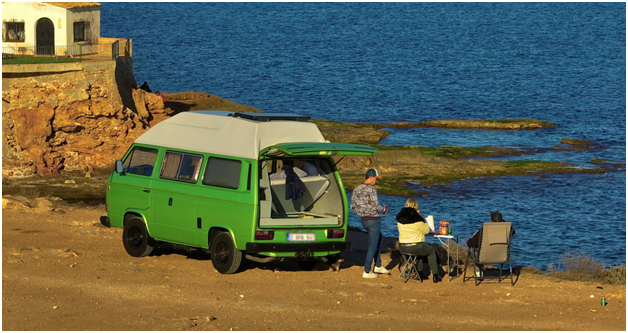
RV ownership is one area worth watching. According to Emergency Assistance Plus, roughly one in five U.S. households is interested in purchasing an RV in the future. If more consumers eventually follow through on that interest, businesses that already understand recreational vehicles could be positioned to serve a broader customer base.
This doesn’t necessarily mean an automotive business needs to completely change its operations. Instead, owners can evaluate whether their existing equipment, facilities, training, and services are appropriate for different vehicle types. A business might identify specific services it can add without disrupting the work it already performs.
Understanding the local customer base is also important. A service provider in an area with substantial recreational travel may encounter different vehicle needs than one primarily serving commuters. Reviewing customer requests and service patterns can help businesses identify where demand is actually developing.
Expand Services Around Customer Needs
The automotive repair sector already represents a substantial business environment. According to Gitnux, the U.S. auto repair industry is valued at approximately $116 billion. Within such a large industry, businesses can differentiate themselves by providing services that address specific customer needs rather than trying to appeal to everyone in the same way.
For some businesses, this could mean developing expertise with RVs or other larger vehicles. For others, it might involve offering additional maintenance services, improving appointment availability, or making it easier for customers to understand what work their vehicles need.
Businesses should also consider the complete customer experience. Clear estimates, convenient scheduling, timely updates, and straightforward explanations can make service interactions easier for customers. These details can be particularly valuable when a repair involves an unfamiliar vehicle or a problem that requires multiple steps to address.
Training employees is another consideration. As businesses take on different vehicle types or services, employees may need additional knowledge to work effectively with those customers. Investing in appropriate training can help a company expand its capabilities while maintaining the quality of its existing services.
Prepare for More Frequent RV Service Needs
RV customers may not use their vehicles in the same way as traditional car owners. Recreational vehicles can spend significant periods parked before being driven for vacations, road trips, or seasonal travel, creating a different pattern of use and maintenance.
According to KOA, RV owners drive their vehicles approximately 4,500 miles per year on average. Although that figure is lower than the mileage many people put on their everyday vehicles, RVs can still require attention because they combine transportation with living and recreational systems.
Vehicle service businesses that work with RV customers can use this information to think beyond mileage alone. Customers may need help preparing an RV before a trip, addressing issues after extended storage, or checking systems that have not been used for several months.
Communication can also help businesses anticipate service needs. Reminders before common travel periods, seasonal inspection services, or maintenance packages could make it easier for RV owners to keep up with their vehicles. These approaches can also give businesses additional opportunities to maintain relationships with customers between major repairs.
Adapting to the Road Ahead
Changing customer preferences can create challenges, but they can also open new opportunities for vehicle service businesses. Monitoring vehicle ownership trends, evaluating potential service expansions, and understanding how customers use their vehicles can help businesses respond more effectively.
The key is to adapt based on actual customer needs rather than making changes simply because a trend exists. By combining market awareness with strong service, knowledgeable employees, and clear communication, vehicle service businesses can build capabilities that serve customers today while preparing for what they may need tomorrow.