
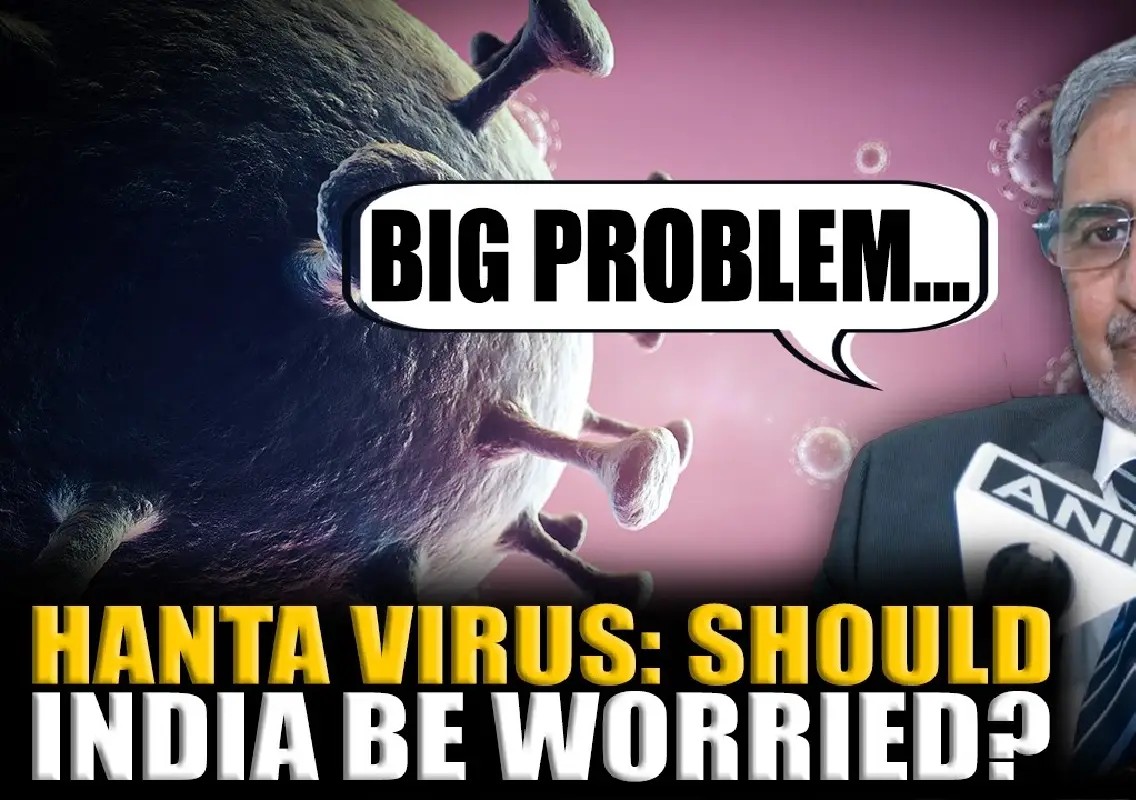

Amid growing global attention on hantavirus cases reported in parts of South America and Europe, medical experts say there is currently no major cause for panic in India.
Doctors explain that hantavirus is primarily spread through contact with infected rodents, especially through exposure to their urine, saliva, or droppings. Unlike highly contagious respiratory viruses, hantavirus does not commonly spread from one person to another.
Health experts say this limited human transmission is one of the key reasons public concern should remain measured.
“Hantavirus infections are rare, and most strains do not spread easily between humans,” doctors noted, adding that only a few South American variants have shown limited person-to-person transmission in the past.
Why India faces lower risk
Medical professionals point out that India has not witnessed large-scale hantavirus outbreaks similar to those seen in some Latin American countries. Most reported infections globally are linked to rural environments, forests, farms, or places with heavy rodent exposure.
Experts say ordinary daily activities in urban India are unlikely to pose a significant risk. However, people working in poorly sanitised areas, warehouses, farms, or abandoned buildings should take precautions against rodent infestation.
Symptoms people should watch for
Doctors advise seeking medical care if symptoms such as:
- High fever
- Muscle pain
- Severe fatigue
- Headache
- Breathing difficulty
develop after possible exposure to rodents or contaminated environments.
Early diagnosis is important because severe hantavirus infections can affect the lungs and respiratory system.
Preventive measures recommended
Health experts recommend simple preventive steps, including:
- Keeping homes and workplaces clean
- Preventing rodent infestations
- Wearing masks and gloves while cleaning dusty storage areas
- Avoiding direct contact with rodent waste
- Maintaining food hygiene and proper waste disposal
Doctors also stressed that social panic and misinformation should be avoided, as the disease remains relatively rare.
No need for alarm, say experts
Public health specialists emphasise that India’s current risk remains low and there is no evidence of widespread community transmission. They advise staying informed through verified health sources while following basic hygiene and sanitation practices.

Comments are closed.