
The SUV boom is changing shape. For years, the biggest growth came from sub-4 metre models such as the Nexon, Brezza, Venue and Sonet. Now buyers are increasingly moving one size and one price band higher.
Mid-size SUVs accounted for 18.2 per cent of domestic passenger-vehicle sales in the first quarter of FY2027. Two years ago, their share was only 12.4 per cent. Last year it was 15 per cent. At the same time, the share of sub-4 metre compact SUVs slipped to 14.6 per cent from 16.2 per cent a year earlier.
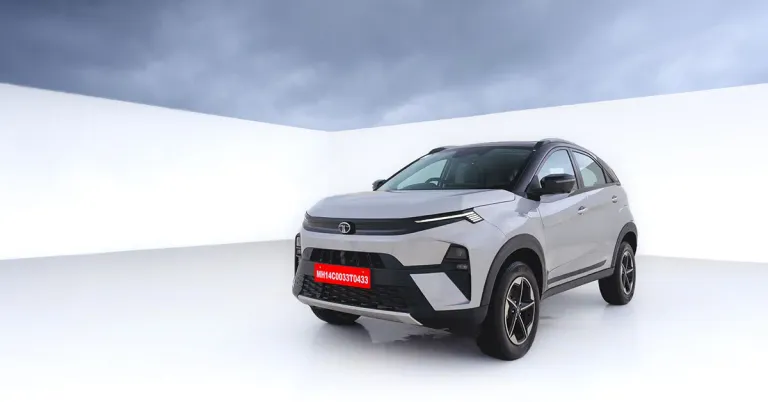
That does not mean compact SUVs are collapsing. They still sell in huge numbers. What has changed is where the faster growth is happening.
A few years ago, the jump from a Rs 10 lakh compact SUV to a Rs 15 lakh or Rs 20 lakh mid-size SUV was enough to separate two very different customer groups.
That gap has become less intimidating. Higher household incomes, longer ownership cycles and easier finance mean many customers replacing a hatchback or compact SUV are willing to stretch for more space and equipment.
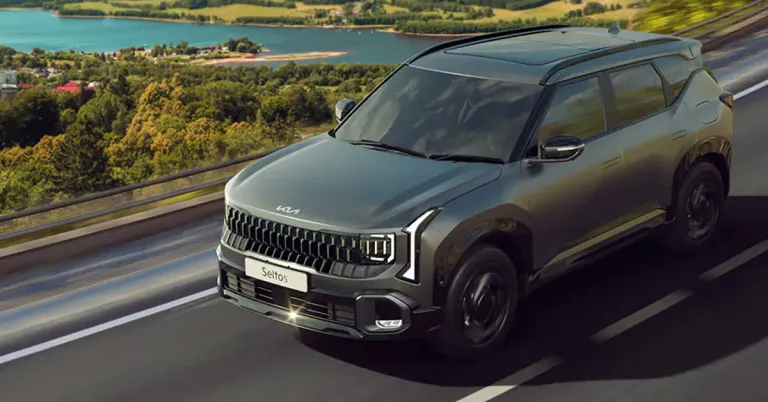
The mid-size category also now starts relatively low, with entry versions of models such as the Creta, Seltos, Grand Vitara, Hyryder and Sierra overlapping the upper end of sub-4 metre SUV pricing.
What the extra money buys is easy to understand: more rear-seat room, a larger boot, greater highway comfort and usually a broader feature list.
This is particularly relevant for a one-car household. A compact SUV works well in the city, but a mid-size SUV can make a stronger case as the family’s only car for commuting, holidays and long-distance driving. The sales numbers show how crowded the segment has become
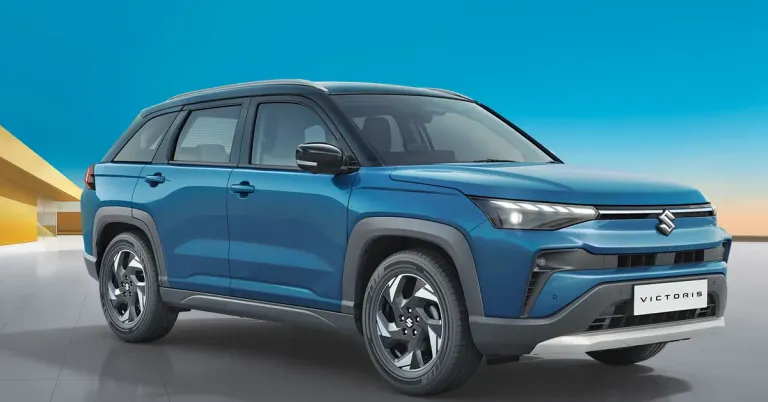
The Hyundai Creta sold 18,088 units. Kia sold 12,541 Seltos units, more than double its July 2025 volume. Maruti’s newer Victoris contributed 11,334 units, while the Grand Vitara sold 8,127. Toyota Hyryder added 7,187 and the Tata Sierra 6,327.
This is no longer a segment dominated by one Korean SUV with a handful of alternatives. Maruti, Toyota, Tata and Kia now have serious volume products competing alongside Hyundai.
The supply of new models matters because it creates more reasons for someone to stretch their budget. Hybrid powertrains, panoramic sunroofs, connected technology, larger touchscreens, ADAS and premium audio systems are now common talking points in this segment. Crisil has specifically linked the shift to premiumisation, with customers prioritising space, comfort, safety technology and convenience equipment.
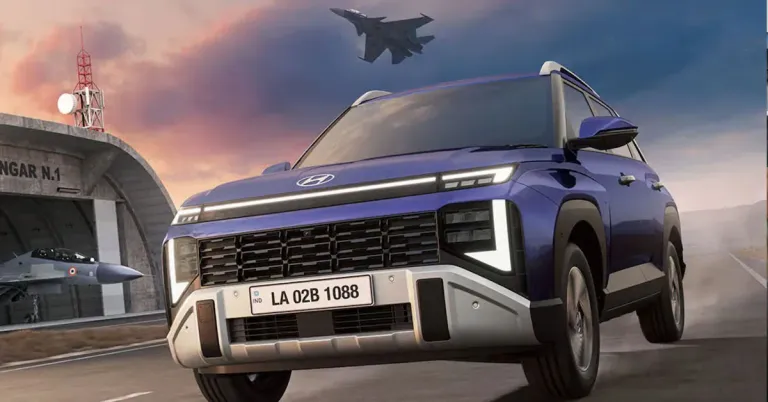
It is important not to misread the trend. Sub-4 metre SUVs remain one of the largest categories in the market. Separate industry data shows compact SUV wholesales reached 3,97,609 units in Q1 FY2027, up 24 per cent year on year. So this is not a story of customers abandoning the Brezza, Nexon or Venue. It is a story of the next rung growing faster.
Mid-size SUVs are increasingly becoming the default upgrade for customers who might earlier have bought a top-end compact SUV or a sedan. Manufacturers have noticed. New products such as the Victoris and Sierra have joined an already crowded field, while more launches are planned.
The result is a market where buyers are still choosing SUVs, but are becoming less obsessed with keeping them under four metres. For carmakers, that is attractive because larger SUVs carry higher transaction prices and richer margins. For consumers, it means more choice around the Rs 12 lakh to Rs 25 lakh band.