
If your orchids are losing their flowers, there are a few tasks you can do to keep them thriving (Image: Getty)
Gardeners may not be spending a lot of time outside in their gardens over the autumn and winter months, but there are still a number of plants that are housed indoors that need some TLC. Orchids can be a wonderful addition to your flower collection, offering a range of colours and fragrances to homes.
However, if they’re not cared for correctly, plant lovers may find that their gorgeous flowers are dropping off prematurely. Gardening and plant experts have shared insights with Express.co.uk as to why orchids may be prematurely losing their beautiful flowers, and the simple steps green thumbs can take to stop this from happening. If you’re unsure about the reason for your orchids dropping off their stems, here are some of the most common mistakes people make that happen at this time of year.
Avoid overwatering the plant (Image: Getty)
Frequent problems with orchids
Be careful of overwatering
Depending on what your orchid is planted in, you’ll need to water the plants every five to seven days if they’re planted in a bark mix, or every 10 to 21 days if planted in sphagnum moss. One common cause of orchids falling off prematurely is overwatering.
Lucy Hook, plant and floral lead at Bloom & Wild, said: “Overwatering can be one reason orchids lose their blooms early. While it’s tempting to give your plant an extra drink, too much water can leave the roots sitting in moisture, which can lead to root rot. If you spot any rotten roots, carefully trim these away before repotting your orchid in fresh orchid potting mix.
“If you’re unsure how to check if your flower is feeling thirsty, try using your finger or a wooden toothpick to check how damp the potting mix feels. If it feels dry, then your orchid is ready for another drink.”
David Denyer, gardening expert at eflorist, agreed, calling overwatering one of “biggest mistakes” people make when caring for orchids. He said: “However, if flowers are falling prematurely, it can be a sign that the orchid is experiencing stress. Overwatering is one of the biggest mistakes people make when caring for orchids, as their roots need access to air as well as moisture.
“If the roots are constantly sitting in water, they can begin to rot, making it difficult for the plant to absorb the water and nutrients it needs.”
Monique Kemperman, a horticultural expert at the Plants & Flowers Foundation Holland, further agreed: “And don’t love it too much with the watering can! Orchids hate sitting in water, so let any excess drain away after watering and never leave the pot standing in water. Getting the balance right will help keep your orchid healthy and its blooms looking beautiful for longer.”
On the flip side, you need to make sure that the orchids aren’t being underwated. Mike Waller, principal ecologist at Environment Bank, said: “Watering is another significant factor. Both underwatering and overwatering can cause problems. Insufficient water deprives developing flowers of the moisture they need, while waterlogged compost can damage roots, preventing the plant from absorbing enough water to sustain flowering.”
Ensure our latest gardening stories always appear at the top of your Google Search by making us a Preferred Source. Click here to activate or add us as a Preferred Source in your Google search settings
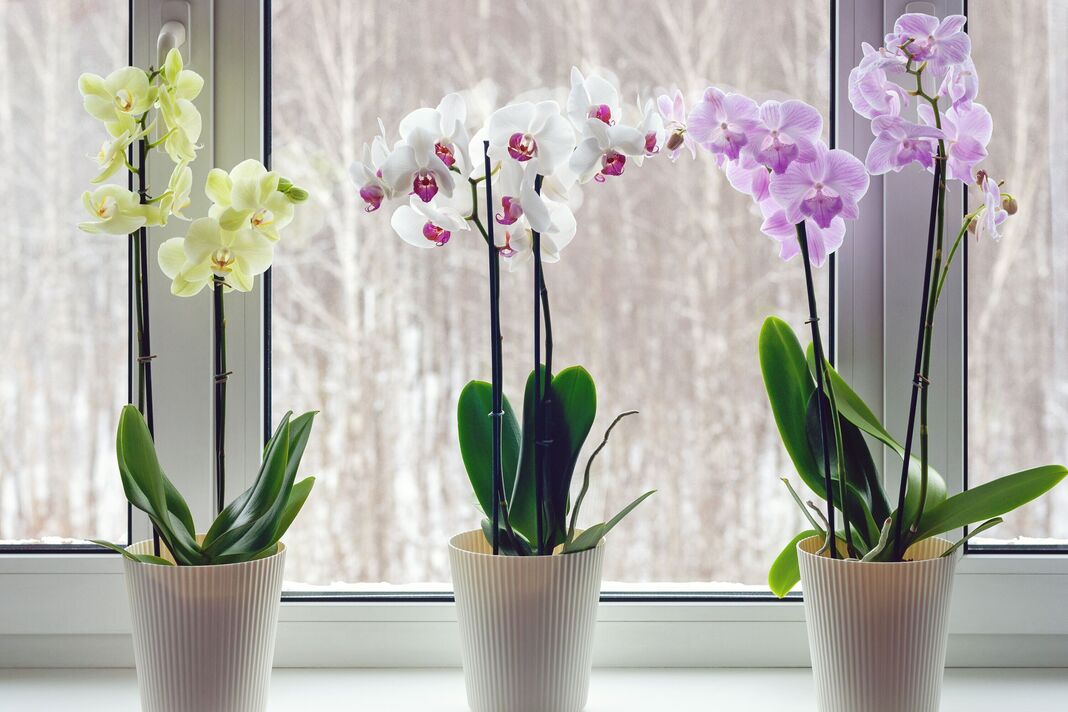
Make sure there are no draughts or cold air, or any sudden temperature change (Image: Getty)
Sudden temperature changes
There’s been a recent drop in temperature around the country, and this sudden change can cause undue stress to the plant. David said: “Sudden changes in temperature, cold draughts, insufficient light and placing orchids too close to radiators can also cause flower buds or blooms to drop earlier than expected.”
Mike warned that the temperature fluctuations in properties during the colder months can cause undue stress. He explained: “The main cause is environmental stress. Phalaenopsis orchids originate from tropical and subtropical regions of Asia, where conditions are relatively warm, humid and stable. Moving them into our homes can expose them to considerable environmental changes.
“Sudden temperature fluctuations, cold draughts from windows, proximity to radiators and changes in position can all trigger bud drop. Low humidity, particularly in centrally heated homes during winter, can also cause developing buds to shrivel and fall.”
He continued: “Other contributing factors include inadequate light, direct sunlight, ethylene gas from ripening fruit, and pests such as thrips and aphids. Even bringing a newly purchased orchid home can cause sufficient environmental shock to trigger bud blast.”
Depending at what point in your orchid’s lifecycle it’s at, the flowers dropping off could just be a part of life and completely natural. Lucy explained: “Orchids have a natural blooming cycle of around three months, so it’s perfectly normal for them to begin dropping their flowers after this. If your plant hasn’t reached the end of its cycle before losing its blooms, it could be a sign that your orchid needs a bit of extra TLC.”
David said: “One of the most common frustrations for orchid owners is watching their flowers suddenly drop off, even when the leaves and stems appear healthy.
“There are several reasons why this can happen, and it’s important to remember that flower loss isn’t always a sign that something is wrong. Orchid blooms naturally reach the end of their flowering cycle, so if your plant has been flowering for several weeks or months, some flowers dropping off is completely normal.”

Be sure to choose the best plant pot for orchids (Image: Getty)
How to stop orchids from dropping off
Choose the right plant pot
It turns out that not all plant pots are created equal when it comes to orchids. Lucy advised: “I also recommend choosing a pot with plenty of drainage holes and allowing any excess water to drain away after watering. Orchids do not need as much water as other houseplants, so using the right pot can keep roots healthy and your plant happy.”
When trying to be mindful of the changes in weather, Monique advised to find a sweet spot for orchids – and keep it there. Monique recommended: “My number one tip is to find a happy spot for your orchid and keep it there. Orchids don’t love sudden temperature changes, which can be tricky in UK homes, where cold windows and draughts compete with central heating.
“Keep yours somewhere bright with indirect light, away from radiators and chilly windows or doors. Once it’s settled, avoid moving it around too much. Keeping conditions consistent will help reduce stress and give those gorgeous flowers the best chance of lasting longer.
David agreed: “Alongside careful watering, providing your orchids with plenty of bright, indirect natural light is important. It’s also good to make sure they aren’t kept near cold windows or draught-prone areas as a sudden temperature fluctuation may encourage buds to drop.”
The important thing is to keep the conditions consistent. Jo McGarry, gardening expert at Earlswood Garden Centre, said: “Keep your orchid away from open windows, external doors, air conditioning vents and radiators, where it could be exposed to sudden changes in temperature. Even a short period of cold air or a sudden change in its surroundings can stress the plant, causing it to shed its flowers or drop unopened buds.
“Keeping conditions as consistent as possible helps reduce this stress and gives the flowers a better chance of lasting longer. Orchids generally do best in a warm spot with plenty of bright, indirect light, rather than somewhere exposed to direct sunshine or cold draughts.”
To help control the amount of water an orchid gets, David suggested a simple ice cube watering hack to combat overwatering. He explained: “One simple trick that can help orchid owners avoid overwatering is to use ice cubes instead of water being poured directly into the pot.
“Although it might sound unusual to put ice on a tropical plant, research into ice-cube watering has found that it can be a safe and effective method for watering moth orchids when done correctly.
“The ice cubes provide a measured amount of water, which is gradually released as they melt. This makes it easier to control how much moisture the plant receives, reducing the temptation to overwater.
“Research has also shown that while ice can temporarily cool the surrounding growing medium, the temperature change is relatively small and short-lived, with no significant damage observed to the roots of healthy moth orchids under the conditions studied. For anyone who struggles to judge how much water their orchid needs, this can be a particularly useful way to establish a more consistent watering routine.”