
I had imagined pregnancy would be all about glowing skin, tiny baby kicks, and excitedly preparing for the arrival of my child. What I hadn't expected was how difficult eating could become. Nausea made many foods unappealing, constipation became a regular problem, gestational diabetes was a big concern, and, for a while, my weight gain was lower than expected.
I remember worrying about whether I was eating enough and whether my baby was getting the nutrition needed to grow. My gynecologist, Dr Meenakshi Ahuja, helped me look at food differently. Instead of trying to eat large, heavy meals, I was advised to eat smaller portions more frequently, stay hydrated and make every meal count nutritionally.
One of the simplest changes was adding more seasonal fruits.
“Pregnancy is a time to enjoy seasonal and local produce. Fruits are abundant with vitamins, minerals, fiber and good sugars. They give you energy, keep you happy and full to avoid junk eating, and they are great for skin and hair in pregnancy. They also help in avoiding constipation and achieve good digestion and bowel movement,” said Dr Ahuja.
That advice was useful when constipation was bothering me so much that I used to cry in pain. Fruits also became an easy snack when I couldn't manage a full meal.
Also Read: 5 Foods That Can Help You Poop And Ease Constipation
Fruits are a great addition to pregnancy diet
Photo Credit: Canva
Which fruits are useful during pregnancy?
Dr Ahuja recommended making seasonal fruits a regular part of the diet. Melons and watermelons, with their high water content, can contribute to hydration, while apples provide fiber and are a source of iron. Peaches, plums, kiwi and lemons are rich in vitamin C, which also helps the body absorb iron. Guavas are another good source of vitamin C.
Bananas can be useful for women dealing with leg cramps, while mangoes provide vitamins A and C. Avocados are particularly helpful for their fiber and good fats. I suffered from restless leg syndrome, and iron-rich foods helped me a lot.
However, fruit portions still matter, especially for women with gestational diabetes. I had to regularly monitor my blood sugar level throughout the day. The new diet showed significantly better results. Also, a 10-minute walk after every meal works wonders.
“Sugar-rich fruits like mangoes, melons, watermelons, bananas, grapes and chikoo can lead to high blood sugar, so if you have gestational diabetes, do consult your doctor on the portions permitted. Routinely 2 to 3 fruit portions in a day are optimal in pregnancy,” Dr Ahuja said.
There is also a lot of confusion around papaya and pineapple during pregnancy, with many women avoiding them because of fears about miscarriage. Rather than following food-related advice from family or social media blindly, it is better to discuss individual dietary choices with your gynecologist.
Hydration was another big lesson
I also learned that thirst isn't the only reason to drink enough fluids during pregnancy. Dehydration can leave you feeling tired and may contribute to low blood pressure.
Dr Ahuja recommends water, coconut water, lassi, chaach and nimbu pani. Drinks such as Rooh Afza, shakes and thandai can also be consumed, but their sugar content needs to be considered.
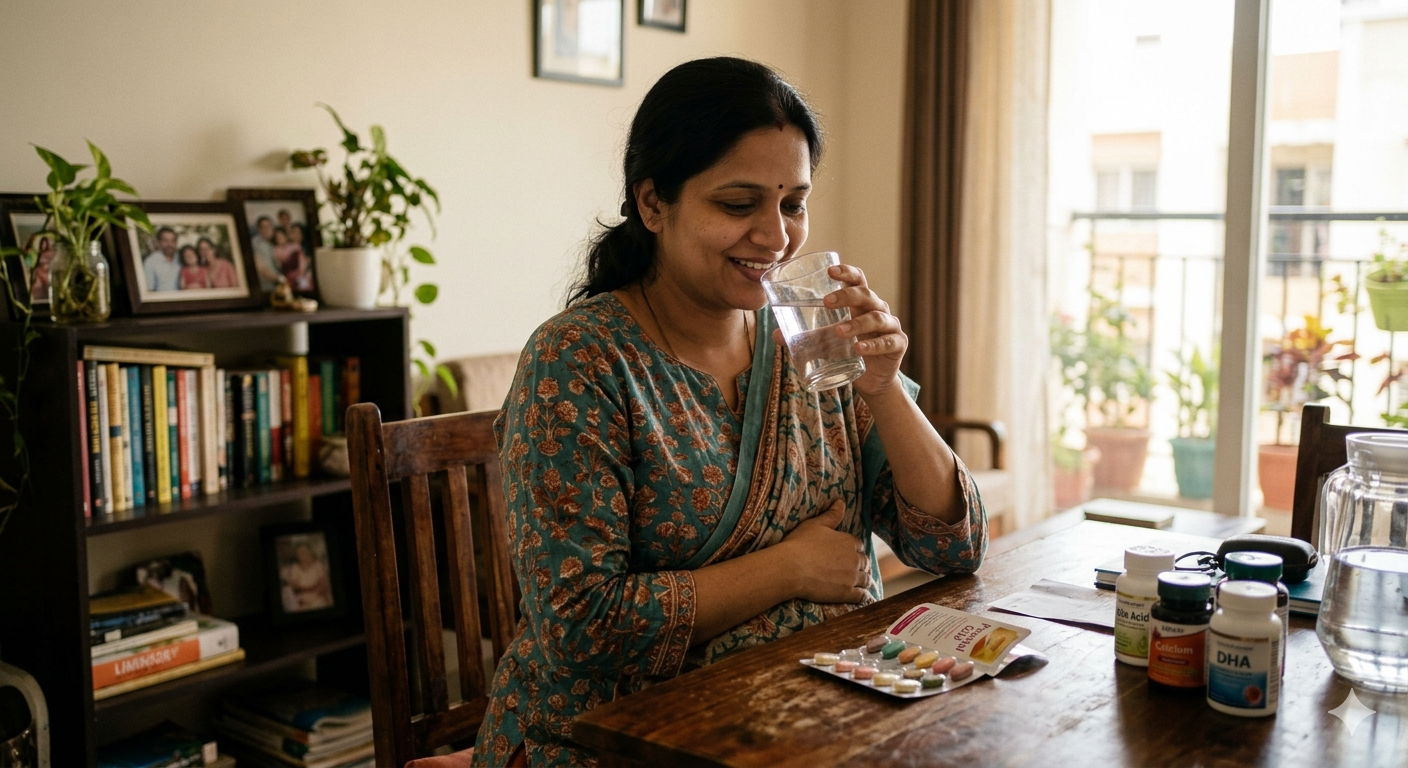
Hydration is essential during pregnancy
What about “heaty” foods?
This was another area where I had plenty of questions. Dr Ahuja says foods considered “high heat” need not automatically be eliminated if they are nutritious and eaten in moderation.
Figs, or anjeer, were one of her recommendations for constipation. They can be soaked overnight and eaten with prunes. Ginger was another useful addition, particularly because it can help with nausea and digestion. Soaked almonds can also be included regularly.
The pregnancy food rules I followed
The biggest takeaway for me was that pregnancy nutrition doesn't have to mean complicated recipes or expensive ingredients. The basics matter: eat light but frequently, drink enough fluids and include a good source of protein through eggs, milk, dairy products and pulses.
I was also advised to cut down on sugary foods, processed foods and sugar-loaded sodas, which can add calories without offering much nutrition. Tea and coffee needed to be limited too. Dr Ahuja advises not exceeding three cups of tea or two cups of instant coffee, or a 12-ounce brewed coffee, in a day.
Yogurt was another easy addition. It provides protein and calcium, contains probiotics and can be filling without feeling too heavy. For me, these small changes made eating through pregnancy much more manageable.
Looking back, I realized that pregnancy nutrition wasn't about forcing myself to eat everything. It was about listening to my body, choosing foods that worked for me and taking my doctor's advice seriously.