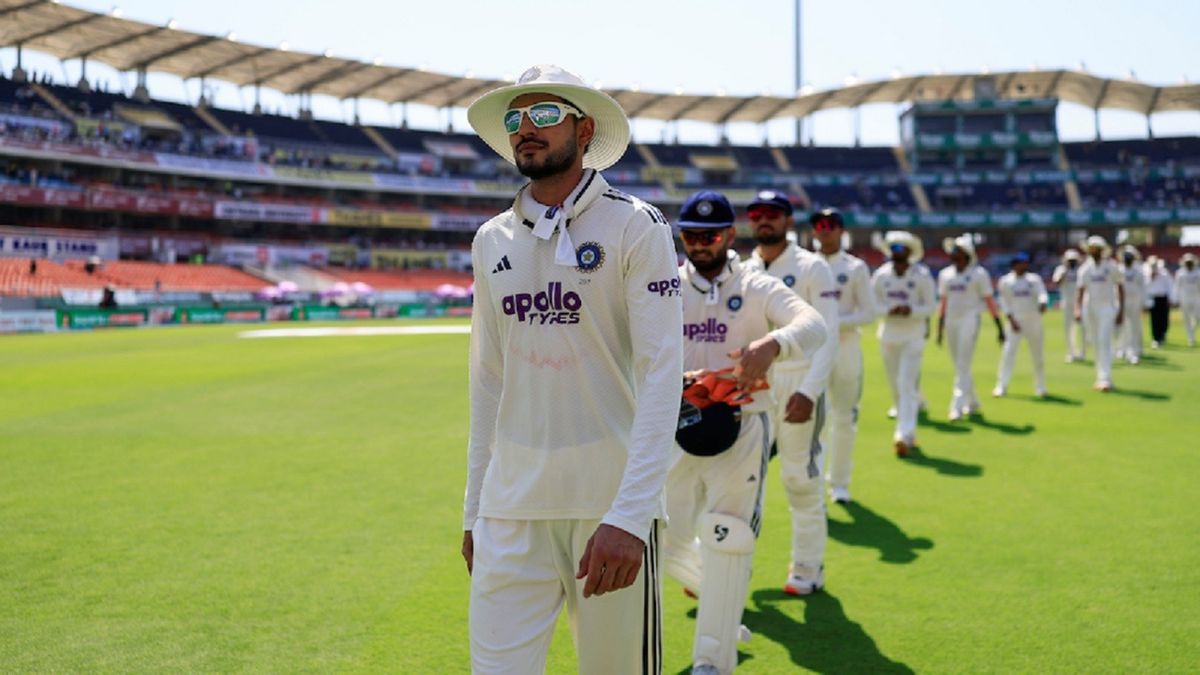
Cricketers and ex-coaches have once again protested against the ongoing ban on salivating on cricket balls. Indian captain Shubman Gill questioned this rule out of frustration of not being able to pick up the remaining five wickets on the last day despite a strong position in the first Test against New Zealand in Wellington. He is joined by fast bowler Mohammad Shami, who recently retired from Test cricket, and former Indian bowling coach Parash Mambre.
What did Gil and Shami say?
An angry Shubman Gill said after the Wellington Test that he did not understand why the ball was not allowed to shine even after the Covid period. According to him, this rule has been in place for a long time and it is not clear to him why the ban is still upheld.
A unique example of devotion! A couple from Chennai set a precedent by donating 206 crores of gold to Tirupati temple
On the other hand, Shami also advocated the use of Lala after Bengal's match against Rajasthan in the Syed Mushtaq Ali Trophy in Mumbai on Thursday. He said red ball should be allowed to use saliva again, so that bowlers also get some benefit and fun. It may be noted that the ban was temporarily introduced by the ICC in 2020 to reduce the risk of covid infection, which became a permanent rule in September 2022.
Mambre brought up the issue of balance and pitch
Sympathizing with Gill, Parash Mambre said that it is important to have a balance between bat and ball in the game. Referring to 600-700 runs scored in a recent Test, he said that it was a one-sided match and the issue should be reconsidered after the Covid episode is over. However, he is not willing to equate the use of saliva with ball tampering, according to him, the use of sweat and saliva was effective earlier and needs to be rethought.
Special chef and fan zone for Sindarov in Geneva, Uzbek chess player in fight to become world champion again
According to Mambre, the problem is not limited to the ban on the use of saliva. He feels that after the first 30 overs, when the seam and swing decrease and the wicket becomes flat, there is not much for the fast bowlers to do. He said that while the ball decays quickly on the Indian red clay and low grass wickets, reverse swing is created, but in the Kookaburra ball, it is important to retain the shine of the ball at the beginning.
Top 5 Bengali Football Coaches in India: Who are the best 5 Bengali football coaches in India?
Analysis of strategic direction
Parash Mahambre also said that depending on the pitch and the situation, the bowlers have to adjust their strategy. Keeping one side shiny for normal swing or letting the ball get rough in the hope of reverse swing depends on the pace of the innings. All in all, he advocated a review of the ban so that the bowlers have the resources to fight even if the help from the pitch decreases as the match progresses.