

Back from having a baby, female cricketers now have clearer support thanks to new ICC rules rolled out this week. Starting Monday, these steps guide athletes through 16 weeks of comeback routines – body healing comes first, then mindset care follows close behind. Slow re-entry into top-level play gets priority instead of rushing back too soon. Recovery is not rushed; it’s paced with attention to how each player feels day by day. The framework shows thoughtful timing, putting health ahead of performance pressure.
Starting with Ready, then moving through Review, Restore, Recondition, Return, and ending at Refine – this process guides players step by step. Not just a checklist, it walks alongside athletes from post-childbirth recovery into full competition again. Medical check-ins shape the path forward.
Training unfolds in clear phases, built on gradual progress. Cricket skills come back through targeted workouts that match game demands. Once active again, each person stays under observation. Monitoring continues while they rejoin team settings. The whole approach adjusts as needed, staying responsive throughout.
A structured path back to competitive cricket, guidelines laid down by the ICC
One big part of these rules means each athlete coming back after having a baby gets their own assigned Case Manager. Usually, that person is either a doctor or a physio – someone who knows how bodies heal. From start to finish, they keep track of how the player is doing, linking up care across health, fitness, and mental well-being. Their job stays active the whole time the athlete eases back into play.
Later on comes the slow return to workouts that build strength and stamina. Right at first, attention goes toward emotional well-being and supporting athletes through becoming moms. Around two months in, once check-ups and healing progress are confirmed, jogging routines start again – this time watched closely by doctors.
Only after clearing detailed checks on muscle and joint function do athletes resume match play, with close attention paid to how well their bodies have healed. A green light comes once signs show full readiness for high-level performance.
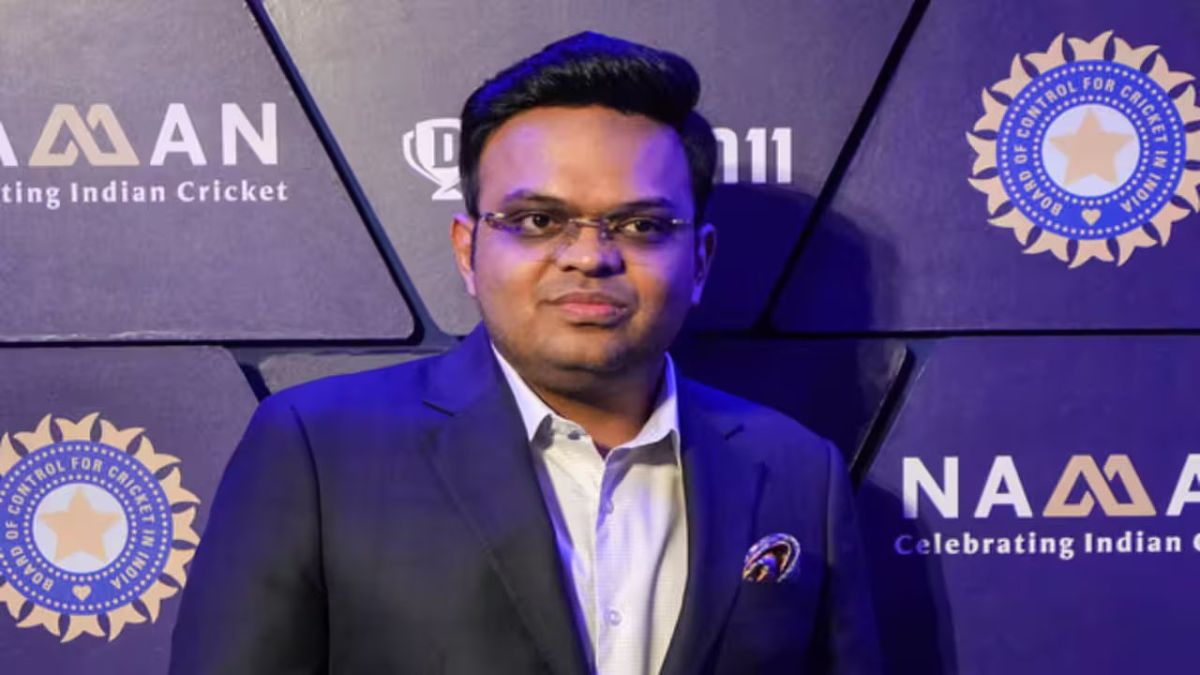
“No player should have to choose between motherhood and representing her country at the highest level,” ICC Chairman Jay Shah said.
Back home after having a baby, cricketers now have clearer paths thanks to ICC guidance. These updates help teams understand what comes next. Support looks different these days – better shaped, more thoughtful. Knowledge spreads more easily when rules reflect real life. What used to be guesswork now has structure. Progress shows up quietly, like common sense finally arriving.
“As women’s cricket continues to grow globally, it is essential that we protect player welfare, retain talented athletes and strengthen pathways for current and future generations. These Guidelines reflect our commitment to building a game where women can thrive, both on and off the field.”
The International Cricket Council explained its rules aim to add to national work standards, also backing athletes with real-world, bodily, and emotional care. Take India one example, where female workers get half a year of covered time off after childbirth by law.
Under the guidance of Dr Philippa Inge, ICC Medical Advisory Committee member and doctor for Australia’s team, the framework took shape. She’s long backed adaptable support systems for athletes who are mothers. Her influence helped steer its direction.
Starting strong, she pushes for workout times that bend around life’s demands. Facilities stay open – medical help too – for those who need it. Childcare becomes part of the plan, woven into daily structure. Quiet corners appear at event sites where parents can feed or tend infants. Travel hurdles get smoothed out, one step at a time.
Also read: Harmanpreet Kaur creates history, becomes first cricketer to play 200 T20Is
“The ICC’s Return to Play Post-Pregnancy Guidelines are designed to show players that having a baby doesn’t need to be the end of their career,” Dr Inge said.
“What we’re aiming to do with this policy is to allow Member nations to facilitate the return to cricket for their players.”
Folks already in the game are backing this move. Although new to some, it’s gaining ground fast.
Afy Fletcher bowls spin for the West Indies. Back in the game since having her baby in 2021, she now plays at the 2026 T20 World Cup. Her presence shows motherhood does not have to end an athlete’s path. Clearer rules might help others keep going, too. “It gives you a chance to have your family and then return, so I think that’s one of the best things they could have done for women’s cricket,” Fletcher said.
Looking back at what she went through, she said: “Getting my body to heal wasn’t easy – yet even harder was walking away from my baby, missing out on those quiet, everyday things.”.
“That’s why every moment I play on the field is driven by him. Every player’s journey is different, but you have to have strong support, get healthy and trust the process.”
Comments are closed.