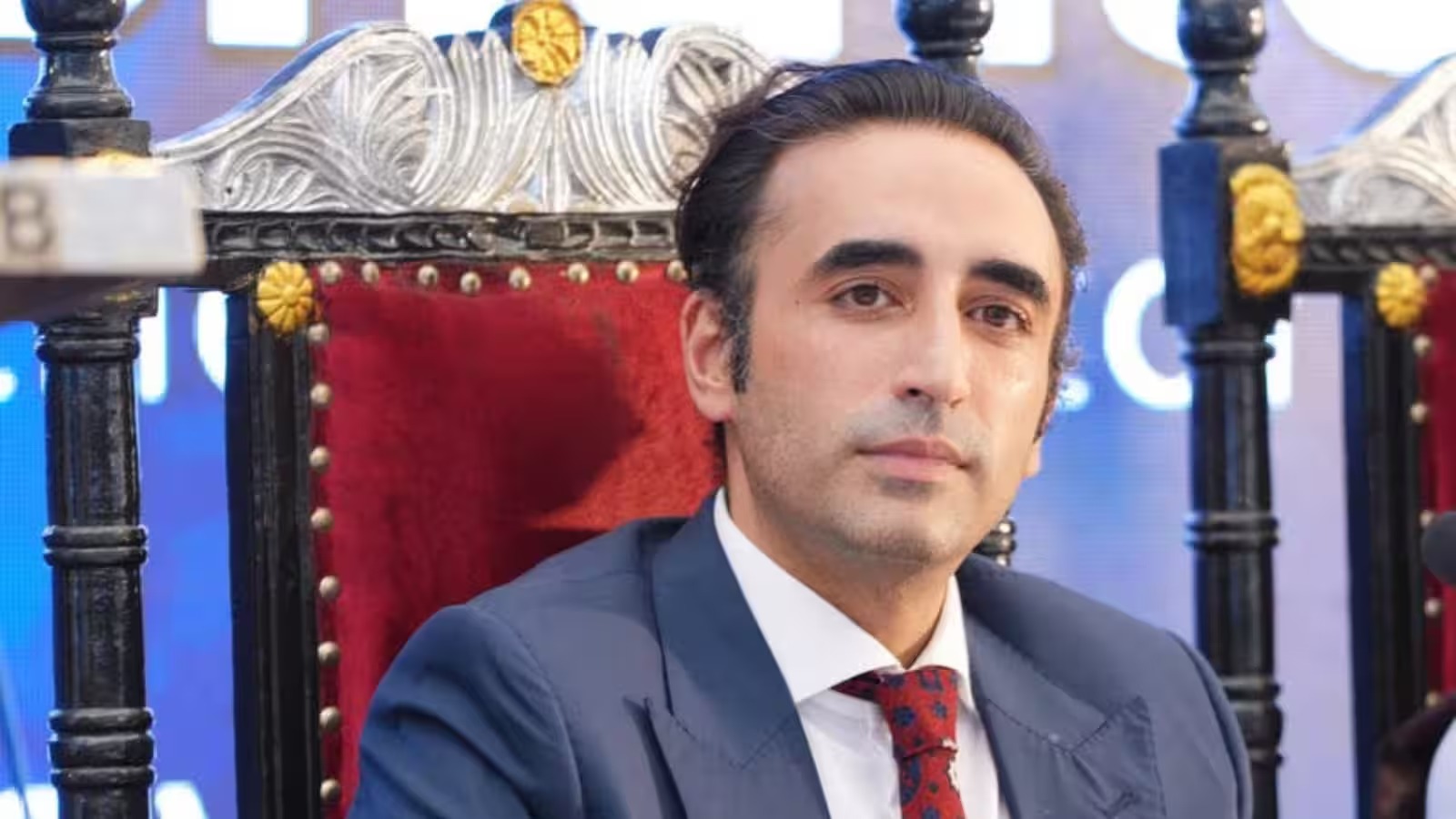
The debate over the possible division of Sindh and administrative reorganization has created a new heat in the politics of Pakistan. Pakistan People's Party or PPP Chairman Bilawal Bhutto Zardari has taken a very tough stand on this issue and said that if Sindh is divided, it may take up to thirty years to extinguish the fire of unrest and tension. This statement of Bilawal is being seen as a direct political warning to the power and military establishment of Pakistan, especially at a time when various speculations are going on regarding the country's central government, provincial equations and top leadership. Such political and regional tensions arising within Pakistan are closely watched across South Asia, including India's Kanpur, Lucknow, Delhi and border states, as the internal stability of the neighboring country also impacts the regional security and diplomatic environment. Why did Bilawal Bhutto warn that the fire will not be extinguished for 30 years? This statement of Bilawal Bhutto Zardari has come at a time when discussions are intensifying within Pakistan regarding the size of provinces, distribution of resources and administrative units. Sindh is considered the traditional stronghold of PPP and the political roots of the Bhutto family are also linked to this province. Bilawal believes that any attempt to divide Sindh will deeply affect the historical, cultural and ethnic balance, and it will not be in the power of any government to handle the resentment and instability that will arise. He warned in clear words that such a step could lead to a long-term crisis, the price of which would have to be paid by many generations to come. What are the political implications for Munir and Shehbaz government? Analysts often talk about the balance of power in the current political system of Pakistan, regarding the role of the federal government led by Prime Minister Shehbaz Sharif and Army Chief Asim Munir. When the face of a major alliance or opposition faction like Bilawal Bhutto gives a sensitive warning like division, its direct impact is visible in centre-province relations and the corridors of power. The PPP has long been a significant force in Pakistani politics, and the party has taken an aggressive stance against any threat of weakening its hold in Sindh or changing the nature of the province. Political experts say that this statement is not only a siege against possible administrative or political moves, but also an attempt to show that the PPP is in no mood for any compromise on the question of Sindh. What is the historical and economic importance of Sindh? Sindh is not just a province of Pakistan, but its historical, cultural and economic status is very special. From the ancient Indus Valley civilization to Sufi traditions and modern ports, the region is linked to maritime trade, the backbone of Pakistan's economy, and major business hubs like Karachi. There have already been sensitivities over resources, water, revenue and representation within the province. In such a situation, if the question of division of the province or new administrative structure arises, dissatisfaction can flare up rapidly between the local population and political parties. This is the reason why any proposal related to Sindh is counted among the most explosive topics in Pakistan's politics. Pakistan's instability and impact on India and the region Any major political or regional turmoil within Pakistan is analyzed from a strategic and diplomatic perspective across South Asia, including India. From cities like Kanpur, Lucknow and Varanasi in Uttar Pradesh to Delhi, both common citizens and analysts watch the news from the neighboring country from the perspective of how the internal conflicts there may lead to the situation across the border or regional equations. At present, Pakistan is already struggling with economic challenges, inflation and pressure of institutional balance. In such a situation, the war of words over the division of Sindh shows how deep the political differences can be within the country and this issue can become a big flashpoint in the politics of Pakistan in the coming days.