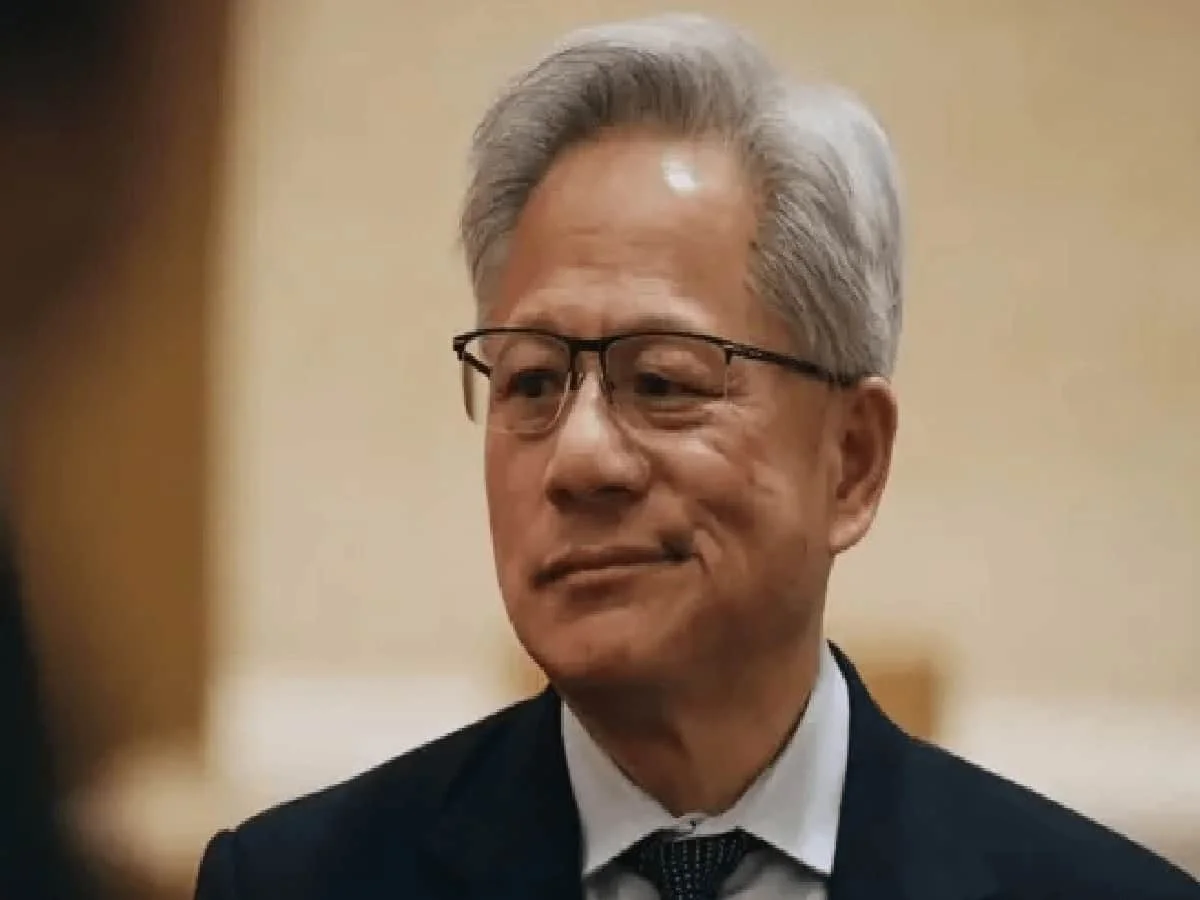
For more than three decades, Jensen Huang stood as the undisputed force of nature at the center of Silicon Valley’s artificial intelligence revolution—a leather-jacket-clad showman whose relentless stamina, granular command over every chip architecture decision, and sheer force of personality propelled Nvidia from a fledgling graphics startup into a $4-trillion colossus. Yet in the final hours before he tendered his unconditional resignation as president, chief executive officer, and board director late Wednesday night, the 63-year-old co-founder appeared utterly depleted—stripped of his signature authority and consumed by remorse.
According to a detailed account by Bloomberg citing people familiar with the private discussions, Huang’s commanding demeanor had completely evaporated after weeks of scrambling to contain a cascading personal and national security scandal. Those around him described a leader who looked “broken and shattered,” repeatedly shrugging off developments with phrases like “Whatever” and “I don’t care,” while berating himself in raw, self-lacerating terms—calling himself a “terrible person”. As news of his downfall reverberated from Wall Street to major technology and AI engineering corridors across India—including Bengaluru, Hyderabad, Pune, Gurugram, Mumbai, New Delhi, and Lucknow—details of his final days reveal how swiftly a corporate titan’s empire unraveled.
How a Dual Scandal—Alice Huang and Kimberly Powell—Shattered Huang’s Fight
Huang’s collapse accelerated over a tumultuous six-day stretch in early November 2026. The crisis erupted on November 7 when The New York Times reported that Huang had engaged in an extramarital relationship with Alice Huanga Chinese businesswoman and managing director of Singapore-based cloud firm Megaspeed (no relation to the Nvidia CEO), whom US intelligence agencies suspected of acting on behalf of Beijing’s intelligence services.
Within 24 hours, Nvidia’s board of directors announced an independent investigation—led by outside counsel Wachtell, Lipton, Rosen & Katz—into whether its chief executive had been targeted by a foreign intelligence operation. In an internal email to employees on Sunday, November 8, Huang admitted to the affair and pledged full cooperation. Initially, the board expressed confidence in him, and Huang tried to hold the line.
That defense collapsed completely on Wednesday, November 11, when The New York Times revealed a second extramarital relationship—this time with Kimberly PowellNvidia’s 48-year-old Vice President of Healthcare, a senior subordinate who reported directly to Huang. (Subsequent reporting by Reuters alleged a third relationship involving another company employee.) By Wednesday evening, with independent directors convening remotely to weigh his future, Huang’s fighting spirit vanished. Telling associates his sole remaining priority was protecting his wife of 41 years and avoiding ruining the lives of the women linked to him, Huang stepped down unconditionally, handing interim leadership to longtime CFO Colette Kress.
Donald Trump’s Tuesday Phone Call Urging Huang to Stay and Fight
Remarkably, Huang’s exit came barely 24 hours after an extraordinary intervention from the White House. According to The New York TimesUS President Donald Trump telephoned Huang on Tuesday to urge the embattled executive not to step down and to fight to keep his job. Publicly describing Huang earlier in the week as an “honorable man” who was “definitely suffering,” Trump had maintained close ties with the Nvidia chief—even hosting Huang aboard Air Force One during an official trip to Beijing earlier in the year.
Yet not even presidential backing could insulate Huang once workplace governance violations involving a direct subordinate compounded counterintelligence scrutiny. Following Thursday’s formal announcement of his departure, Nvidia shares tumbled over 8 percent in early trading, briefly pushing the chipmaker’s market value below the $4-trillion threshold for the first time since July 2025.
Fallout Reaches Washington: Senate Summons and Scrutiny on Howard Lutnick
Huang’s resignation has neither ended his legal exposure nor contained the political shockwaves in Washington. On Thursday, Senate Banking Committee Chairman Tim Scott—alongside House committee leaders—called on Huang to testify before Congress regarding his relationship with Alice Huang and whether sensitive American AI chip secrets or export-controlled hardware moving through entities like Megaspeed were compromised.
Simultaneously, the controversy has spilled directly into President Trump’s Cabinet. Reports from Washington indicate the White House is weighing the future of Commerce Secretary Howard Lutnick—who has also been summoned to testify before the Senate Banking Committee—amid intense bipartisan scrutiny over the Commerce Department’s oversight of advanced AI semiconductor export controls to China. For Jensen Huang, the man who spent 33 years building the computing backbone of the AI era, an empire forged through relentless ambition ended in quiet, solitary defeat.