
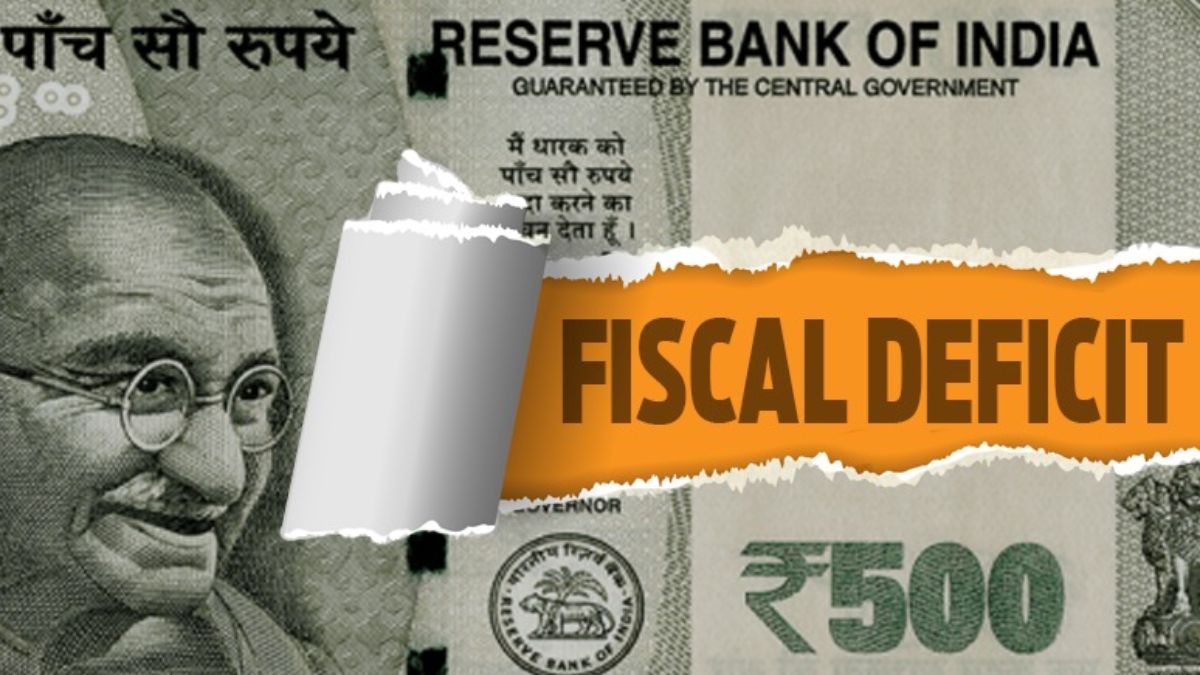
India fiscal deficit at risk as Iran conflict pressures government finances ahead of key budget cycle

India is facing renewed pressure on its public finances as rising geopolitical tensions linked to the Iran conflict push up economic risks and government spending needs.
According to reports, the country could miss its fiscal deficit target for the first time since the pandemic period. The concern is being driven by external shocks that are beginning to weigh on energy costs and broader economic stability.
Fiscal deficit targets are closely watched because they reflect how much a government is borrowing to cover its spending. A higher deficit often signals either weaker revenues or rising expenditure.
Iran conflict adds pressure on India’s fiscal deficit outlook
The escalation in tensions involving Iran is creating ripple effects across global energy markets. For India, which relies heavily on imported crude oil, any rise in global oil prices directly increases the import bill.
Higher crude prices typically feed into subsidies, transport costs, and inflation management measures. This can force the government to spend more than planned, especially if it tries to cushion the impact on consumers.
This is one of the key reasons the fiscal outlook is now under scrutiny. Energy volatility has historically been one of the fastest ways to disrupt India’s budget assumptions.
The fiscal deficit target is under strain after the pandemic recovery period
India had returned to a more controlled fiscal path after the pandemic, gradually reducing its deficit from emergency levels.
Missing the current target would mark a reversal of that progress, even if temporary. It would also signal that external shocks are still capable of disrupting fiscal consolidation efforts.
Economists typically watch whether such slippages are one-off or part of a broader trend. In this case, much depends on how long energy and geopolitical pressures persist.
Government spending pressures and the next policy focus
If oil prices remain elevated, the government may face a difficult balancing act between controlling inflation and maintaining fiscal discipline.
Higher spending on energy-linked support measures could widen the deficit further. At the same time, reducing support too quickly could increase inflationary pressure on households.
The next fiscal update will be closely watched for signals on how policymakers plan to manage this trade-off. The key question is whether current pressures remain temporary or begin to reshape India’s broader budget trajectory going forward.

Comments are closed.