Washington DC: India has been named in a proposed US House amendment linked to a Russia sanctions bill that could expose major Russian oil buyers to tariffs of up to 100 percent.
The move puts India's Russian crude purchases under fresh scrutiny as US lawmakers debate whether to retain, expand or remove the controversial tariff provision.
India Named In Proposed US Amendment
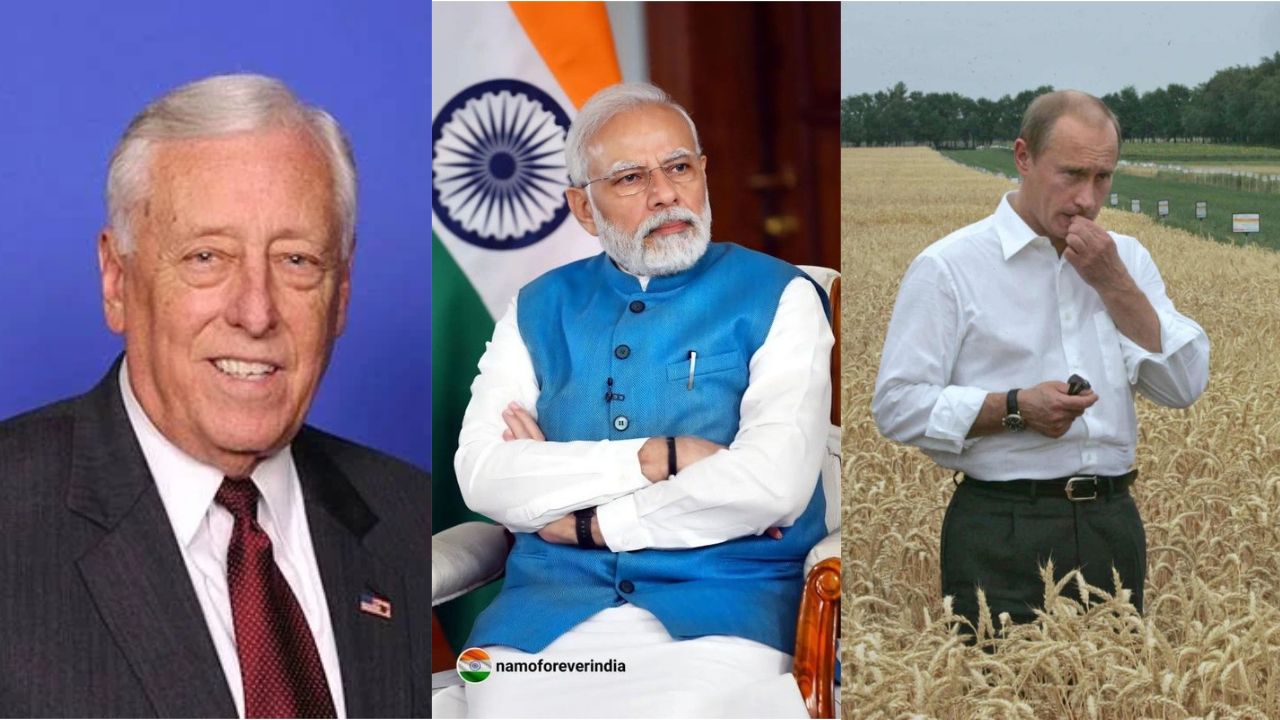
India has emerged as a key focus of the latest debate over the US Russia sanctions legislation after Democratic Congressman Steny Hoyer proposed an amendment specifically naming countries that could become eligible for 100 percent duties.
The proposed list includes India, China, Turkiye, Azerbaijan, Hungary, the Slovak Republic, the UAE, Singapore, Kazakhstan and the Kyrgyz Republic.
However, India has not been subjected to a new tariff under the legislation yet. The amendment is still part of the US House legislative process, and the final wording could change before the bill becomes law.
Why India Is In The US Tariff Debate
India remains one of the major buyers of Russian crude oil, making its energy trade with Moscow a sensitive issue for Washington. The US has argued that revenue from Russian oil exports helps fund Moscow's war against Ukraine.
The proposed sanctions legislation therefore seeks to put additional pressure not only on Russia but also on major countries that continue to purchase its energy products. For India, the issue is particularly significant because Russian crude has become an important part of its overall oil sourcing strategy.
What Is The Russia Sanctions Bill
The legislation, formally known as the Lindsey O Graham Sanctioning Russia and Iran Act, seeks tougher measures against Russia's leadership, energy sector and vessels accused of helping Moscow bypass sanctions.
The bill also contains a provision that would give US President Donald Trump authority to impose tariffs of up to 100 percent on countries purchasing Russian oil.
The Senate version, however, does not specifically name individual trading partners. Instead, it refers to the five largest importers of Russian oil and gas by volume. The proposed House amendment changes that approach by directly identifying countries including India.
Senate Already Passed The Bill
The Senate passed the sanctions legislation by an 86 to 11 vote on August 7, marking a significant step forward for the measure. The legislation still needs to clear the US House of Representatives before it can reach the President.
That makes the House debate particularly important for India, because lawmakers are now considering amendments that could significantly alter the tariff mechanism.
House Faces A Tight Legislative Window
The timing has added further pressure to the debate. The US House has only four working days remaining before lawmakers begin an early recess ahead of the November 3 midterm elections.
That leaves a limited window for lawmakers to debate the sanctions bill and decide which amendments should remain in the final legislation. The outcome could determine whether the proposed 100 percent tariff mechanism becomes part of the final bill, is substantially modified or is removed altogether.
Another Amendment Wants Tariff Power Removed
While one amendment seeks to explicitly name India and other Russian oil buyers, another proposal takes the opposite position. Democratic Congressman Gregory Meeks has proposed removing Section 113 of the legislation, which would provide the President with authority to impose broad secondary tariffs on countries trading with Russia.
The amendment has three co-sponsors and reflects opposition within Congress to expanding presidential tariff powers. This creates a major divide over the future of the proposed sanctions mechanism.
Meeks Also Seeks Sanctions Flexibility
Meeks has proposed another provision that would allow the President to waive sanctions against a foreign person for an initial 90-day period.
That waiver could reportedly be renewed for additional 90-day periods if the administration determines that the action is vital to US national security. The proposal indicates that some lawmakers want the legislation to retain flexibility while avoiding sweeping tariff powers.
USD 15 Billion Ukraine Loan Proposal
Meeks has also proposed authorizing USD 15 billion in direct loans to Ukraine for defense articles and services. The proposal would add another major financial component to the broader legislative package as Washington continues to debate how aggressively the US should pressure Russia and support Ukraine.
Why Russian Oil Matters For India
Russian crude has become an important component of India's energy import strategy. Indian refiners have benefited from access to Russian supplies, particularly when Russian crude has been available at competitive prices.
Any major disruption to this trade could force refiners to adjust their sourcing patterns and potentially increase dependence on supplies from other producers. That could have wider consequences for refining costs, crude procurement and the country's overall energy import bill.
Could A 100 Percent US Tariff Affect India?
If the proposed tariff mechanism survives the US legislative process and is ultimately applied to India, it could create significant pressure on bilateral trade. A tariff of up to 100 percent could raise the cost of Indian goods entering the US market and increase uncertainty for exporters.
The impact on Russian crude would depend on how the final law is structured and whether the tariff is imposed directly on countries, companies or specific transactions. It is too early to conclude that Indian consumers will immediately face higher fuel prices because of the proposal.
However, prolonged disruption to Russian crude supplies could increase sourcing costs for refiners and put pressure on fuel prices, transportation costs and inflation.
India US Trade Relations In Focus
The development comes at a sensitive time for India US economic relations. India and the United States have extensive trade and investment ties, while energy remains an important component of India's economic security.
The Russia sanctions debate could therefore create another layer of complexity in bilateral negotiations, particularly if Washington links trade pressure to India's purchases of Russian energy. For New Delhi, the challenge will be to protect energy security while managing growing pressure from Washington over its Russia policy.
The Bigger Global Oil Impact
The dispute is also part of a much wider battle over global energy flows. Russia remains one of the world's major oil producers, and restrictions on buyers could affect international crude markets if they significantly reduce the number of countries willing or able to purchase Russian supplies.
For India, China and other major importers, any sharp change in Russian oil availability could increase competition for crude from the Middle East and other producing regions. That could have consequences for global oil prices, shipping costs, refining margins and inflation.
India Is Named But Tariff Is Not Final
The most important point is that India being named in the proposed House amendment does not mean a 100 percent tariff has been imposed. The amendment still has to go through the legislative process, while another proposal seeks to remove the tariff authority altogether.
The final outcome will depend on the House debate, the amendments that survive and the eventual version approved by Congress and the President. For India, however, the message is already significant: its Russian oil purchases have moved closer to the center of Washington's Russia sanctions debate.
The US House must now consider the sanctions legislation and competing amendments before the measure can move forward. If the amendment naming India survives, New Delhi could face greater uncertainty over the future of its Russian crude trade and broader commercial relations with Washington.
If the tariff section is removed or substantially changed, the immediate risk to India would be reduced. For now, the biggest question is whether Congress ultimately gives President Donald Trump the power to impose sweeping secondary tariffs on countries continuing to buy Russian energy.