


Nissan is not planning to introduce a battery electric vehicle in India immediately, despite having electric models and platforms available in other markets. Massimiliano Messina, Chairperson for Nissan’s Africa, Middle East, India, Europe and Oceania region, has said the company wants to enter at the correct stage of market development rather than launch simply to establish an early presence.
A possible 2028 entry is under evaluation, but Nissan has not confirmed a model, production location or firm launch date. The statement should therefore be treated as an indication of timing rather than an approved product programme.
Nissan’s immediate priority is to rebuild its domestic volumes through petrol, CNG and conventional automatic models before committing the investment required for a locally competitive electric vehicle.
The draft’s estimate that electric cars account for only around 4 percent of passenger vehicle sales is already dated. Nissan referred to penetration of roughly 6 percent during its recent discussions.
Retail data for June 2026 placed battery electric vehicles at approximately 7.8 percent of passenger vehicle sales. That month was unusually strong for alternative powertrains following increases in fuel prices, so it may not represent a stable long term level. It nevertheless shows that the market has moved beyond the 4 percent figure.
Nissan’s argument is not that electric car sales are insignificant. The company is questioning how much of that demand is being created directly by buyers and how much is being influenced by corporate fuel efficiency regulations, manufacturer targets, fleet purchases and incentives.
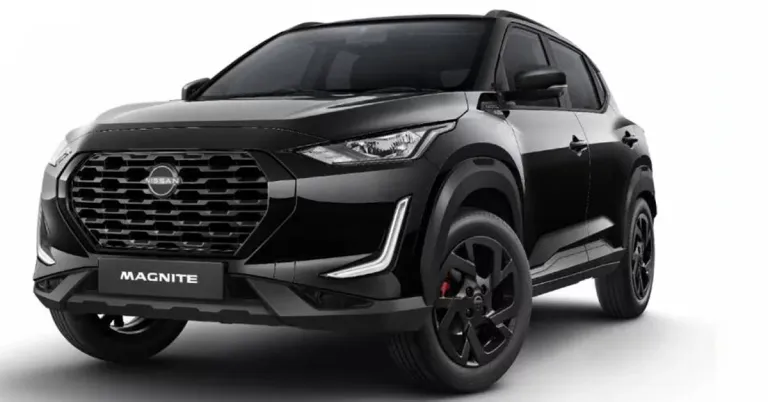
For several years, the Magnite was Nissan’s only significant locally manufactured mass market model. That limited product range reduced dealer throughput and left the company dependent on one of the most competitive segments.
The Gravite seven seat MPV was introduced in early 2026, followed by the Tekton midsize SUV in July. Nissan also plans to introduce a seven seat C segment SUV in early 2027.
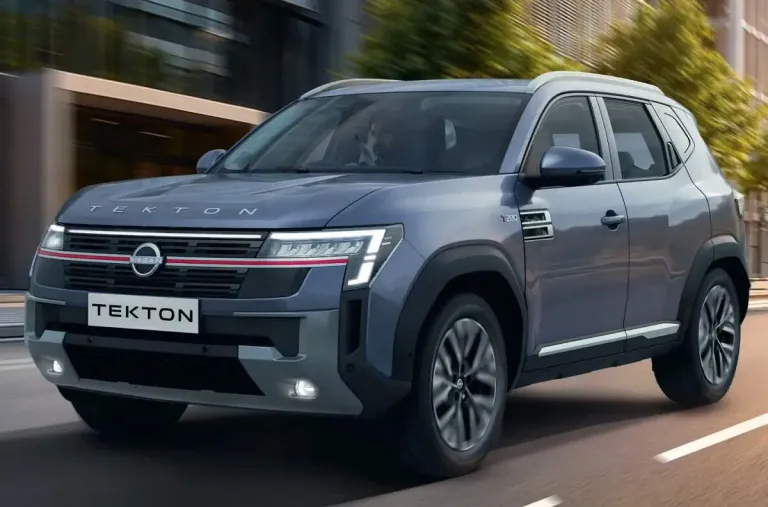
These products give the company access to budget family vehicles, compact SUVs and larger three row models. Nissan believes increasing its coverage of the existing petrol and CNG market can generate volume more quickly than launching a relatively expensive electric model with limited localisation.
The company is also using India as an export base. The Magnite is shipped to 65 overseas markets, allowing the Chennai manufacturing operation and supplier network to support volumes beyond domestic demand.

India’s third phase Corporate Average Fuel Efficiency regulations are scheduled to take effect from April 1, 2027. These rules assess the average fuel consumption and carbon dioxide output of a manufacturer’s passenger vehicle fleet rather than evaluating only one model.
Selling electric vehicles, hybrids or other efficient powertrains can reduce a manufacturer’s fleet average. A company relying heavily on petrol SUVs may therefore need electrified models, lighter vehicles or other compliance measures even when electric vehicles form a relatively small part of customer demand.
Nissan says greater clarity around the regulations is helping it evaluate three broad options. It can introduce its own electric vehicle, source or jointly develop a vehicle with a partner, or use other compliance mechanisms available under the final framework.
The decision will depend on the investment required, expected sales and the cost of localising batteries, motors and electronic components.
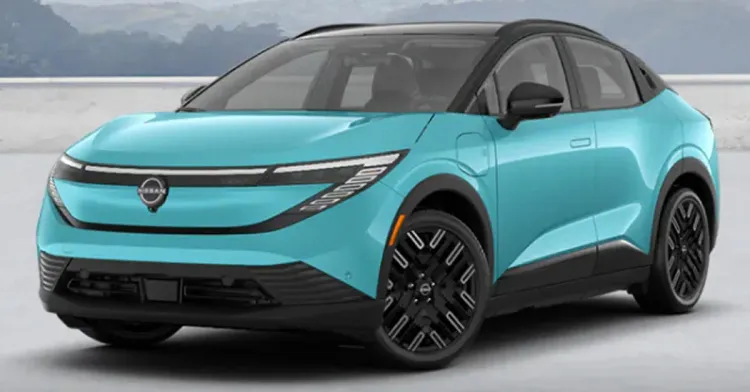
Nissan is also examining whether its E-Power technology could work commercially in India. In an E-Power vehicle, the petrol engine generates electricity, but it does not directly drive the wheels. Propulsion comes from an electric motor.
The system can provide the smooth acceleration and regenerative braking associated with an electric car without requiring the driver to plug it in. The battery is much smaller than the pack used by a battery electric vehicle, while the petrol engine removes dependence on public charging.
This differs from a conventional strong hybrid, where the engine can drive the wheels mechanically, and from a plug in hybrid, which carries a larger battery that can be charged externally.
Nissan’s global product plan includes E-Power, conventional hybrids, plug in hybrids and range extender systems. Some technologies will be developed internally, while others may come through partnerships.
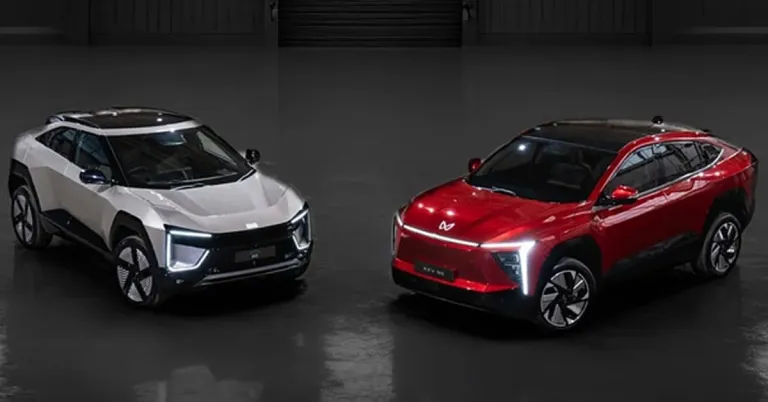
An electric Nissan would need to be priced against established products from Tata, Mahindra, MG, Hyundai, Maruti Suzuki and several emerging manufacturers. Importing a fully built vehicle would restrict its volumes, while local production would require battery sourcing, supplier investment and sufficient scale.
The company must also decide whether a future electric model should be positioned as an affordable urban vehicle or a more expensive SUV. The first option requires tight cost control. The second offers better margins but competes for a smaller customer pool.
Charging infrastructure is only one part of that calculation. Home charging availability, resale value, battery warranty, financing costs and dealer capability will also affect demand.
Nissan was one of the earliest global manufacturers to sell a mass market electric car through the Leaf. Its decision to delay an Indian launch does not reflect a lack of electric vehicle technology.
It reflects the company’s present position in the local market. Nissan is expanding from a narrow product base, rebuilding dealer volumes and assessing a regulatory framework that becomes stricter from 2027.
An electric model around 2028 is possible, but it will depend on whether the company can achieve a suitable price, local content level and sales case. Until those conditions are met, Nissan intends to prioritise the much larger market for petrol and CNG vehicles while keeping hybrid and electric options under evaluation.
Via AutocarPro
Comments are closed.