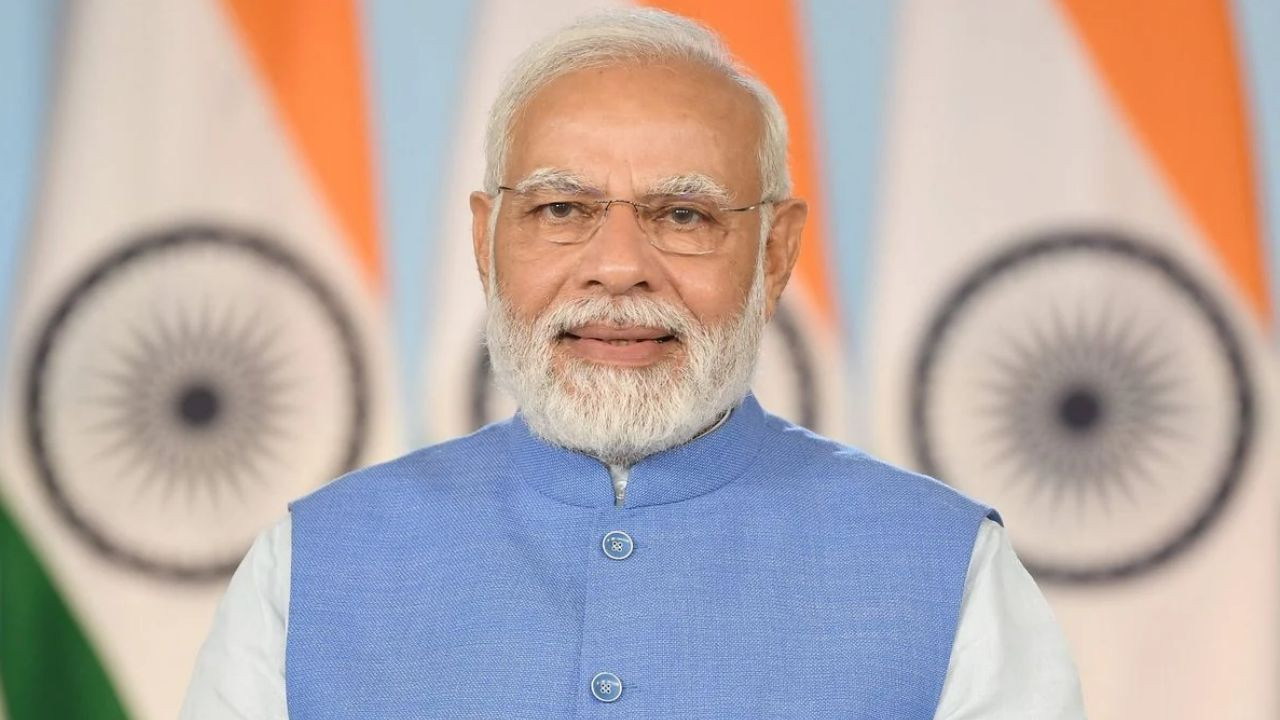
New Delhi: India's strength in Asia is continuously increasing. The Lowy Institute's 2026 report ranks India as the third most powerful country in the region. In this list, America is first and China is second. The leadership of Prime Minister Narendra Modi has also been praised in the report. Asia experts have considered him the second most effective leader in the region. In this matter he comes after Chinese President Xi Jinping.
According to the report, India's total power score has reached 40.5 points. With this, the difference between India and China has reached the lowest level since the inception of Asia Power Index. However, China's total strength is still about 80 percent more than India's. India's strongest point was diplomatic influence, in which it got 70.3 points. In terms of future resources, India's score was 56.2 points, while for economic potential it got 26.4 points. Hunter Marston, director of the Lowy Institute's Southeast Asia Program, said on the occasion that India has cemented its place as a major power with a score of 40.5. According to him, despite the decline in economic potential, Modi was considered the second most effective regional leader after Xi Jinping.
Reasons for improvement in India's ranking
According to the report, India's influence in Asia has increased despite mixed results on the economic and diplomatic fronts. Stable trade and investment ties improved the ranking of economic relations. At the same time, India's defense network was strengthened by increased defense cooperation with regional countries and export of BrahMos missiles to South-East Asia. India's cultural reach also improved. India's influence in the region was strengthened by increased cultural activities, exchange of information and people-to-people contacts. The report says that due to these advances, India has been more successful in converting its resources into regional influence for the first time after 2023.
How is the Asia Power Index prepared?
The Lowy Institute's Asia Power Index assesses 27 countries and territories. It includes eight scales of power. These include aspects like economic and military capability, country's strength, diplomatic influence and economic relations. On the basis of these parameters, the ranking is decided by assessing the strength and influence of the countries in Asia.