
Indian Navy’s biggest mission amid US-Iran tension, oil and gas reserves worth crores safely transported to India

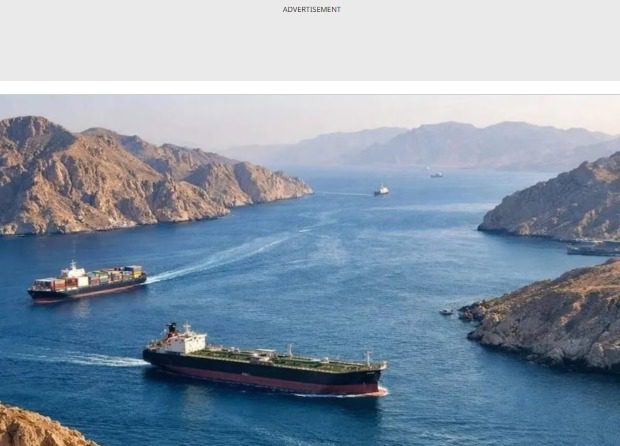
After the peace agreement between America and Iran, information about a military operation has come to light, which played a historic role in securing India’s energy security. After the outbreak of war between America and Iran and deepening of the crisis at the Strait of Hormuz, the Indian Navy conducted one of the largest maritime security operations in its history. ‘Operation Energy Security’ Carried out.
The objective of this operation was to safely transport ships laden with Indian crude oil, LNG and LPG stranded in the war-torn region to India. Indian Navy successfully completed this mission with complete strategy and modern military resources.
Indian ships were stuck in Hormuz Strait
Tension increased across the Gulf region after the US and Israel took military action against Iran on 28 February 2026. In retaliation, Iran affected the movement of Hormuz Strait, due to which the merchant ships of many countries including India got stuck in trouble.
This situation was very serious for India because the country imports about 40 percent of its crude oil and 90 percent of its commercial LPG through this sea route.
About 36 to 38 merchant ships belonging to India were affected during the war, including 22 to 24 ships that were directly involved in energy supply. There were more than 600 Indian sailors on these ships.
Rescue done under ‘Operation Urja Suraksha’
Indian Navy launched ‘Operation Urja Suraksha’ expanding the already conducted ‘Operation Sankalp’. Under this operation, the warships escorted the energy-related ships out of the Strait of Hormuz and safely transported them to the western coast of India via the Gulf of Oman and the Arabian Sea.
Major ships evacuated Shivalik, Nanda Devi, Pine Gas, Jag Vasant and Jag Ladki Like important LPG and crude oil tankers were included.
The entire strength of the Indian Navy remained deployed at sea.
In view of the crisis situation, the Indian Navy deployed many times more troops than on normal days. Whereas normally one or two warships would patrol the area, during this operation six to seven frontline warships were continuously deployed.
These included modern guided missile destroyers, stealth frigates and offshore patrol vessels. Their main objective was to provide safe escort to Indian ships and protect them from any possible attack.
Thousands of marines and Marcos commandos remain alert
During the operation, approximately 1,500 to 2,000 sailors and officers were deployed on war footing readiness around the clock.
Marine commando force on every important warship MARCOS Special teams were present. Their task was to investigate suspicious boats, deal with potential drone or terrorist threats and take immediate action in case of any emergency.
Every activity is monitored even from the sky
The Indian Navy also made extensive use of its air power to monitor vast areas of the sea.
P-8I Poseidon Maritime surveillance aircraft kept flying continuously and kept an eye on every activity in the sea. Other than this sea king, ALH Dhruv Helicopter And MQ-9B SeaGuardian drone were also used, who conducted continuous monitoring for more than 30 hours and provided live information to the headquarters.
India’s energy security remains secure
The biggest result of this quick and strategic action of the Indian Navy was that despite the war-like situation, India’s energy supply was not affected. Ships loaded with crude oil and gas worth crores of rupees reached Indian ports safely, averting a potential energy crisis and economic loss.
Now after the peace agreement between America and Iran, the Strait of Hormuz has opened normally again. With this, this challenging mission of the Indian Navy has also been successfully completed and all the warships have returned to their regular maritime security responsibilities.
This mission of the Indian Navy is not only a proof of its strategic capability, but also shows that India is fully capable and prepared to protect the country’s energy security and national interests in times of crisis.

Comments are closed.