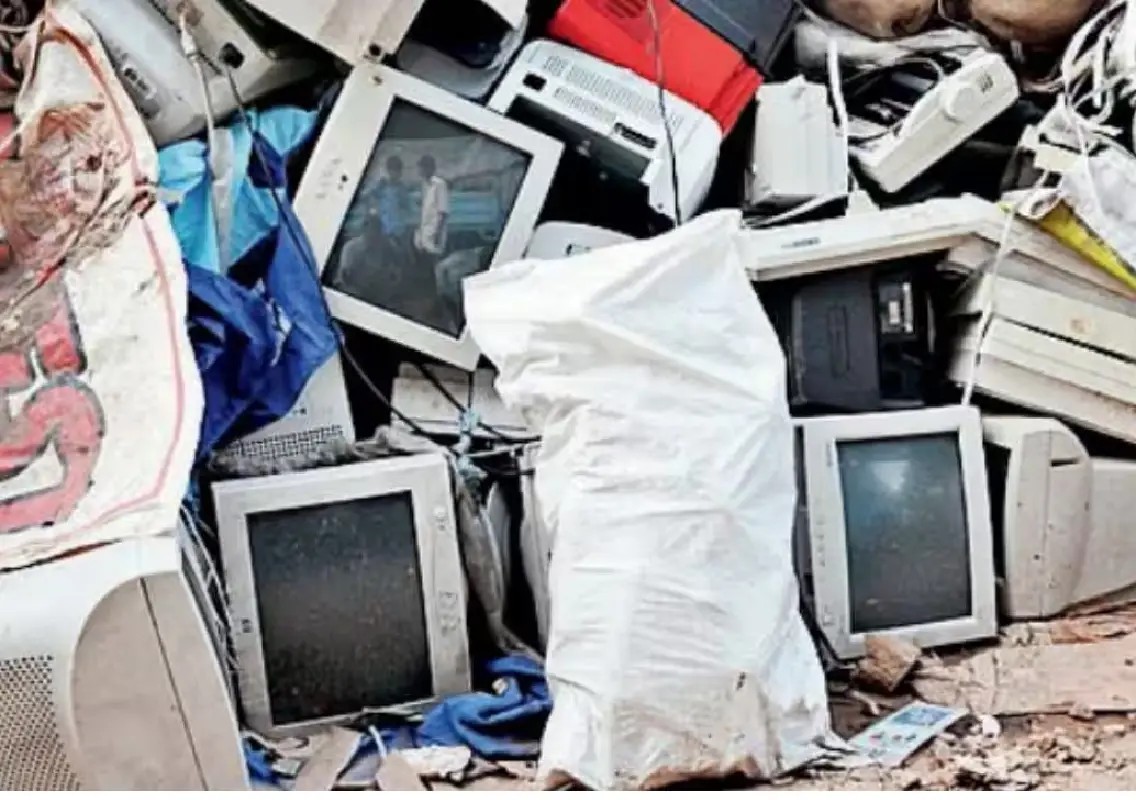
A new smartphone, laptop or electronic gadget often arrives with the promise of better performance and newer features. But as Indians replace devices more frequently, an unintended consequence is mounting electronic waste.
Research cited in the supplied material indicates that Indians typically change their mobile phones every one to three years. With millions of devices being replaced, the growing stream of discarded electronics has become an environmental concern.
Repair was once a way of life
Not long ago, repairing household electronics was a familiar practice. A damaged television, radio, fan or phone would often be taken to a nearby technician instead of being immediately discarded.
Local repair workers played an important role in keeping products functional for longer. Today, however, rapid technological changes, frequent product launches and consumer demand for newer models have made replacement increasingly common.
Bringing repair back into everyday life could help slow this cycle. Extending the useful life of an electronic device means fewer products need to be discarded and fewer new ones need to be manufactured immediately.
Right to repair can support consumers
India has also taken steps towards making repair more accessible. The government’s Right to Repair initiative is intended to improve consumer access to information about repairs, warranties, spare parts and service providers for various products, including electronic devices.
The country’s E-Waste (Management) Rules, 2022 also provide a framework that recognises refurbishment and encourages the reuse of electrical and electronic equipment.
Consumers can help change the cycle
Repairing a device when possible is one simple way to reduce unnecessary waste. Consumers can also consider refurbished electronics, give functioning devices to others when they are no longer needed and hand unusable equipment over to authorised collection or recycling channels.
Reviving India’s repair culture could therefore offer benefits beyond saving money. It could help conserve resources, reduce waste and encourage a more sustainable approach to consumption.