By: Obnews Editorial Staff | November 27, 2026
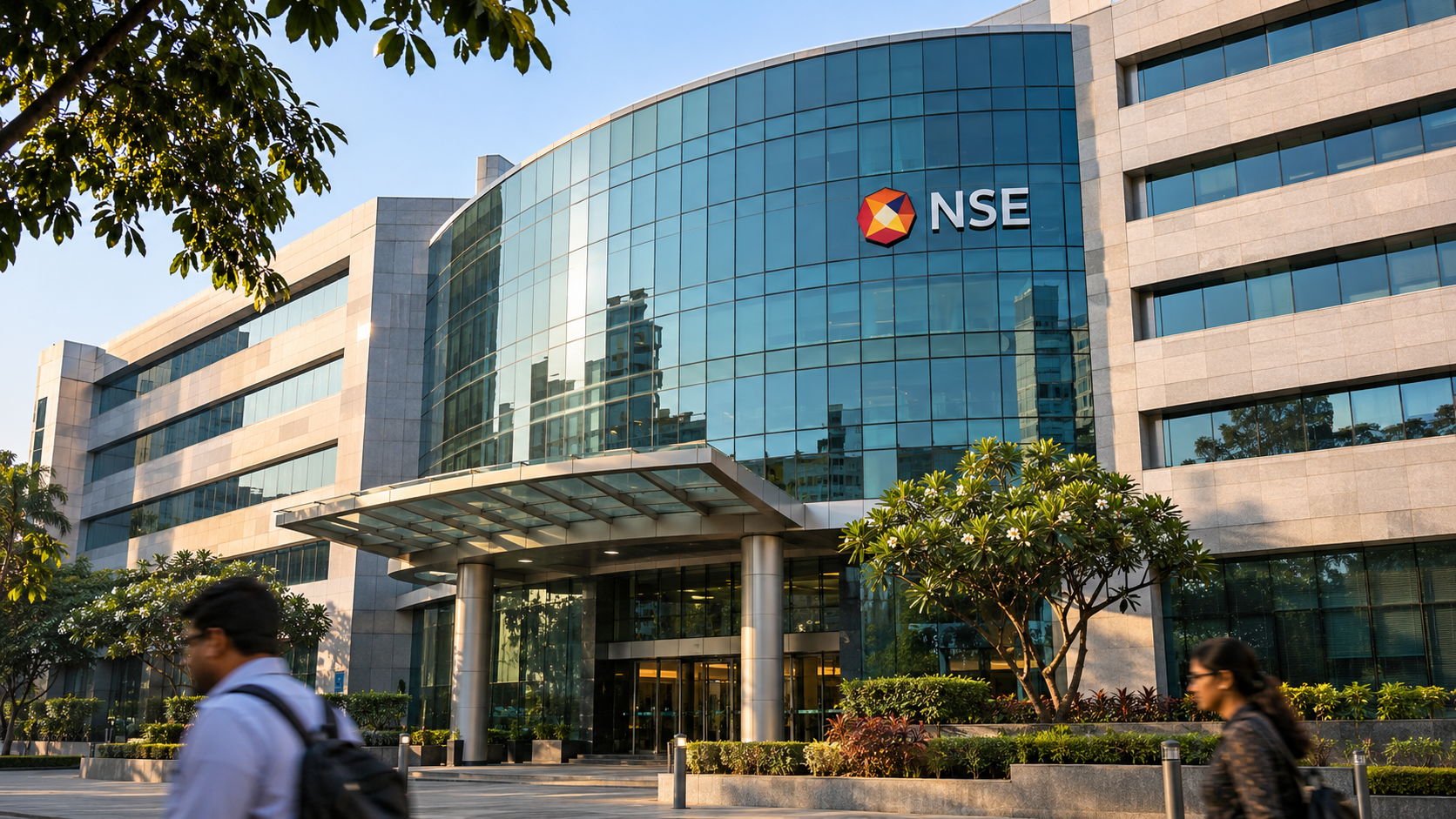
India’s National Stock Exchange (NSE) overtook London and Frankfurt on a rival’s trading screen. On November 26, its shares touched ₹2,400 on the BSE in Mumbai, where they had debuted just two months earlier. Investors valued NSE at about US$64.1 billion, just ahead of Deutsche Börse at US$63.4 billion and London Stock Exchange Group at US$62.4 billion. The only publicly traded exchange operators worth more that day were CME Group and Intercontinental Exchange, the owner of the New York Stock Exchange.
India’s stock market had crossed a threshold of its own a day earlier. At the November 25 close, the companies listed on NSE were together worth about US$5.5 trillion. Reuters reported that India had passed Hong Kong to become the world’s fourth-largest stock market. Could India itself reach third? Morgan Stanley forecast in 2022 that it could do so by 2030. That forecast concerns the combined value of listed businesses, from banks to carmakers. Thursday’s ranking put a price on the company that runs the marketplace.

Before NSE arrived, an Indian investor who wanted a stock listed in another city might have to send the order through a chain of brokers. When NSE introduced electronic trading in 1994, brokers across India gained access to a common order book. By October 2026, the exchange counted 138 million registered investors, more than four times its March 2020 total.
Every time shares change hands, the exchange can earn a fee. A buyer might later sell those shares at a loss, and the exchange can earn a fee on that trade, too. NSE told investors that transaction charges accounted for 75% of its operating revenue in the quarter ended September 30. One product alone, options on the Nifty index that expire each week, generated 38% of its total income. A slowdown in trading in those contracts would matter to anyone who owns the exchange’s shares.
For the people placing those trades, the arithmetic looks different. The Securities and Exchange Board of India found that 87.7% of individual traders in equity derivatives lost money in the fiscal year ended March 2026. The study covered futures and options. A trader who buys a one-week option can anticipate the direction of the market correctly and still lose the entire premium if the move comes a week too late.
Even the same Indian share can produce different returns in Mumbai and Toronto. Suppose a Canadian investor puts C$1,000 into Indian shares without currency protection. The shares gain 10% in rupees, but each rupee buys 10% fewer Canadian dollars by the time the investor sells. The holding is worth C$990 before fees and taxes.

For anyone tempted to buy on the strength of a ranking, NSE’s own short trading history offers a final detail. Investors paid ₹1,785 a share in its September offering. After listing, the price fell as low as ₹1,640 before reaching Thursday’s ₹2,400 high. For an investor who bought at the offer price, Thursday’s high represented a gain of roughly 34%. For the buyer on the other side of that trade, ₹2,400 was the starting point.
Buyer beware. This article is for news and general information only. It is not stock advice, financial advice or a recommendation to buy, sell or hold any security. Investments can lose value, including your original investment. Consult a registered investment adviser for advice about your circumstances.