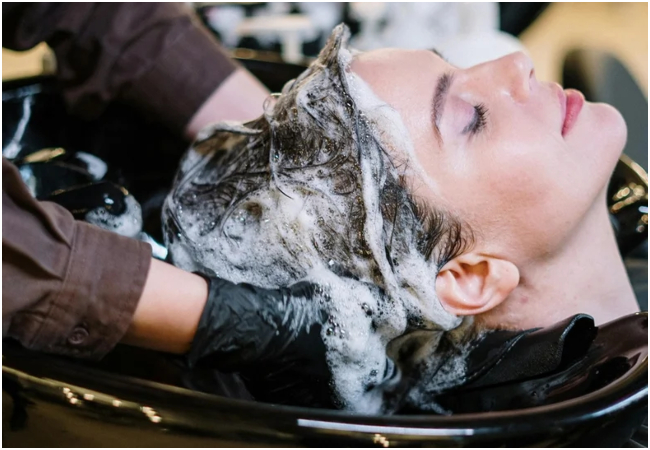
New Delhi. A variety of chemical-laden shampoos and hair care products are available in the market these days, but did you know that India was the first country to introduce the concept of hair washing and shampoo to the world? The word ‘shampoo’ actually derives from the Sanskrit word ‘champati,’ which means to massage. In ancient times, India used solely Ayurvedic and natural ingredients to cleanse and care for hair, not chemicals.
The Secret of Hair Care in Ayurveda
In Indian Ayurvedic culture, body and hair care is not just about beauty, but also about health and mental peace. For centuries, natural herbs have been used in our homes for hair washing.
Soapnut (Reetha) contains natural soaps (saponins) that remove dust and dirt from hair without causing damage.
Shikakai (Shikakai) is also known as the ‘fruit of hair.’ It is an excellent natural conditioner that leaves hair soft and shiny.
Amla: Rich in vitamin C, amla strengthens hair roots, prevents hair loss, and prevents premature graying.
Bhringraj and fenugreek: These are used in Ayurveda to promote hair growth and combat dandruff.
How was traditional Ayurvedic shampoo made?
In ancient times, people would dry these herbs and make a powder, or soak soapnut, shikakai, and amla in water overnight. In the morning, this water would be boiled, strained, and applied to the hair. This method not only deeply cleansed the hair but also kept the scalp cool and healthy.
How did this idea reach the Western world?
When British traders arrived in India in the 18th century, they observed the tradition of ‘champi’ (head massage) and hair washing with natural herbal pastes. They observed that royal women and queens used various herbs like reetha and amla to enhance the beauty of their hair. However, when the British arrived in India, they discovered that elite families used a special paste to maintain their hair. Consequently, the British took this paste to Britain, where the word was changed to ‘shampoo’. Later, it was bottled and sold in liquid form.
Today, the world is once again returning to chemical-free and herbal products. This tradition of Indian Ayurveda is a testament to how rich and scientifically grounded our ancient culture was. These remedies, made with natural ingredients, are still considered the best for hair health.