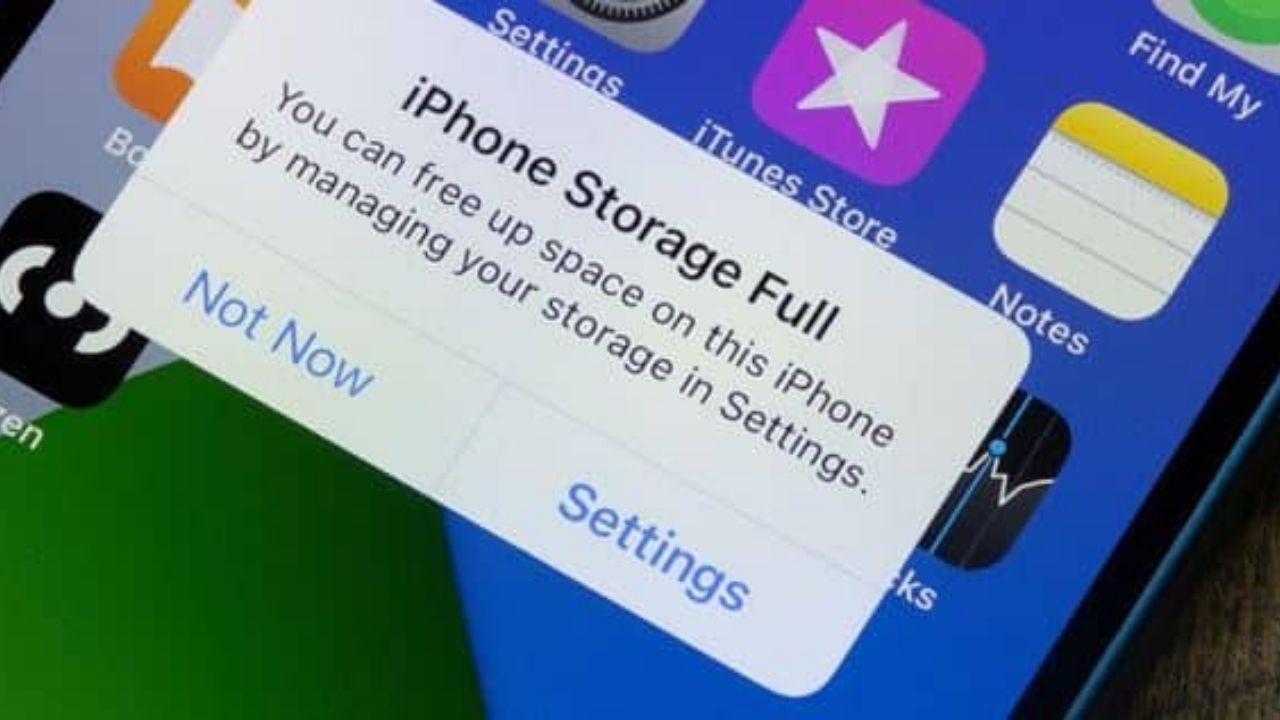
New Delhi: iPhone users often face the “Storage Almost Full” notification after months of saving photos, videos, apps and other data. While upgrading to a higher storage plan may seem like the easiest solution, several built-in features can help you recover valuable space without deleting important files.
1. Check What Is Taking Up iPhone Storage
Before deleting anything, find out what is consuming your storage. Go to Settings > General > iPhone Storage. Apple provides a detailed breakdown of apps, photos, messages and system data using the most space.
This helps you identify unnecessary files and apps that can be removed.
2. Delete Unused Apps
Many apps remain installed even when they are rarely used. iPhone users can enable Offload Unused Apps to automatically remove apps while keeping their documents and data saved.
You can also manually uninstall apps you no longer need.
3. Clear Old Photos and Videos
Photos and videos are among the biggest storage users. Remove duplicate images, blurry shots and unnecessary videos.
Before deleting, you can back up important memories to iCloud or another cloud storage service.
4. Empty the Recently Deleted Folder
Deleting photos does not immediately free space. Open the Photos app, go to Recently Deletedand permanently remove unwanted files.
5. Remove Large Message Attachments
Videos, images and documents shared through Messages can silently consume storage. Check:
Settings > General > iPhone Storage > Messages
Delete large attachments that are no longer needed.
6. Clear Browser Data
Safari stores website data, history and cache files over time. Clearing browsing data can help recover some storage space.
Go to:
Settings > Safari > Clear History and Website Data
7. Manage Downloaded Content
Streaming apps like Netflix, Spotify and YouTube can store offline downloads. Delete movies, songs and videos you have already watched or listened to.
8. Delete Duplicate Files
The latest iOS versions offer tools to detect duplicate photos. Use the duplicate detection feature to merge similar images and save space.
9. Review Large Apps
Games and editing apps can take several gigabytes. Check your storage list and remove apps that occupy too much space but are rarely used.
10. Restart and Update Your iPhone
Keeping your iPhone updated can improve storage management and performance. Restarting the device occasionally may also clear temporary system files.