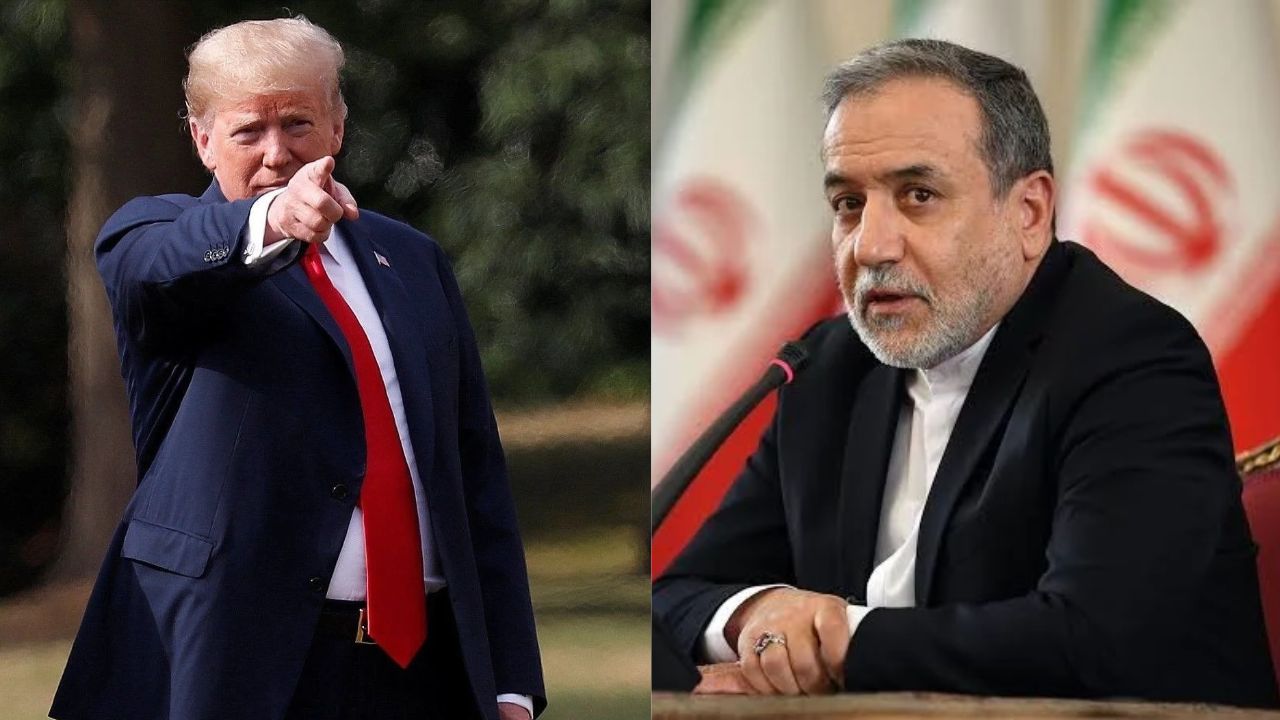
Tehran: Iranian Foreign Minister Abbas Araghchi has reiterated Tehran's offer to reopen the strategically vital Strait of Hormuz within seven days, provided the United States agrees to a set of conditions aimed at ending the ongoing conflict in West Asia.
Speaking to Iranian media in Baghdad on Sunday, October 18, Araghchi said the proposal remained on the table and that Tehran was examining Washington's comments on the plan. He questioned the US administration's willingness to negotiate in good faith, while maintaining that the path toward reopening the crucial shipping route was clear if the conditions were accepted.
What Does Iran's Seven-Day Plan Propose?
The proposal, first outlined by Araghchi on the sidelines of the United Nations General Assembly in September, envisions a phased arrangement to halt hostilities, ease economic restrictions on Iran and restore normal maritime movement through the Strait of Hormuz.
Under the plan, Iran has called for an end to fighting across regional fronts, including in Lebanon. It has also demanded that Washington lift its naval blockade on Iranian ports, relax sanctions affecting Iranian oil exports and release Iranian assets frozen abroad.
In return, Tehran has indicated that the Strait of Hormuz could be reopened on the seventh day after Washington agrees to the proposed terms. Broader negotiations would then resume, potentially covering outstanding issues between the two countries, including Iran's nuclear programme.
Why Is the Strait of Hormuz So Important?
The Strait of Hormuz, a narrow maritime passage between Iran and Oman, is one of the world's most consequential energy transit routes. Before the conflict disrupted shipping, approximately one-fifth of global oil flows passed through the waterway.
Any prolonged interruption to traffic through the strait threatens energy supplies, increases uncertainty in international oil markets and disrupts commercial shipping. Its reopening has therefore emerged as a central issue in diplomatic efforts to contain the economic fallout of the West Asian conflict. For Tehran, the proposal also offers a route towards easing economic pressure arising from US sanctions and restrictions on its oil trade.
A Revival of the Earlier Understanding
Araghchi has maintained that the latest initiative builds on commitments previously discussed between Washington and Tehran under a June memorandum of understanding. That framework envisioned steps toward restoring maritime traffic, easing restrictions on Iranian oil exports and extending the cessation of hostilities.
However, the earlier arrangement unraveled amid disagreements and allegations of violations by both sides. The new seven-day proposal seeks to revive elements of that framework while setting out a shorter timetable for implementation.
Washington and Tehran Remain Divided
The proposal faces significant political and diplomatic hurdles. US President Donald Trump had previously rejected the seven-day initiative, raising doubts over the prospects of an immediate breakthrough. The two sides remain at odds over the terms of a settlement, the sanctions regime and the future course of negotiations on Iran’s nuclear activities.
Tehran, meanwhile, has insisted that the removal of economic restrictions and the lifting of the naval blockade must form part of any meaningful agreement. The competing demands have complicated attempts by intermediaries to secure a durable cessation of hostilities.
Economic Pressures Add Urgency to Negotiations
The prolonged conflict has placed considerable strain on Iran's economy, with disruptions to trade and commerce compounding the effects of international sanctions. For the United States and its regional partners, restoring secure passage through the Strait of Hormuz remains critical to stabilizing energy markets and protecting maritime trade.
Although Araghchi’s renewed statement signals that Tehran is keeping the diplomatic channel open, the proposal’s implementation depends on Washington’s acceptance of its terms. Whether the two sides can bridge their differences remains uncertain, even as the consequences of continued disruption extend well beyond West Asia.