
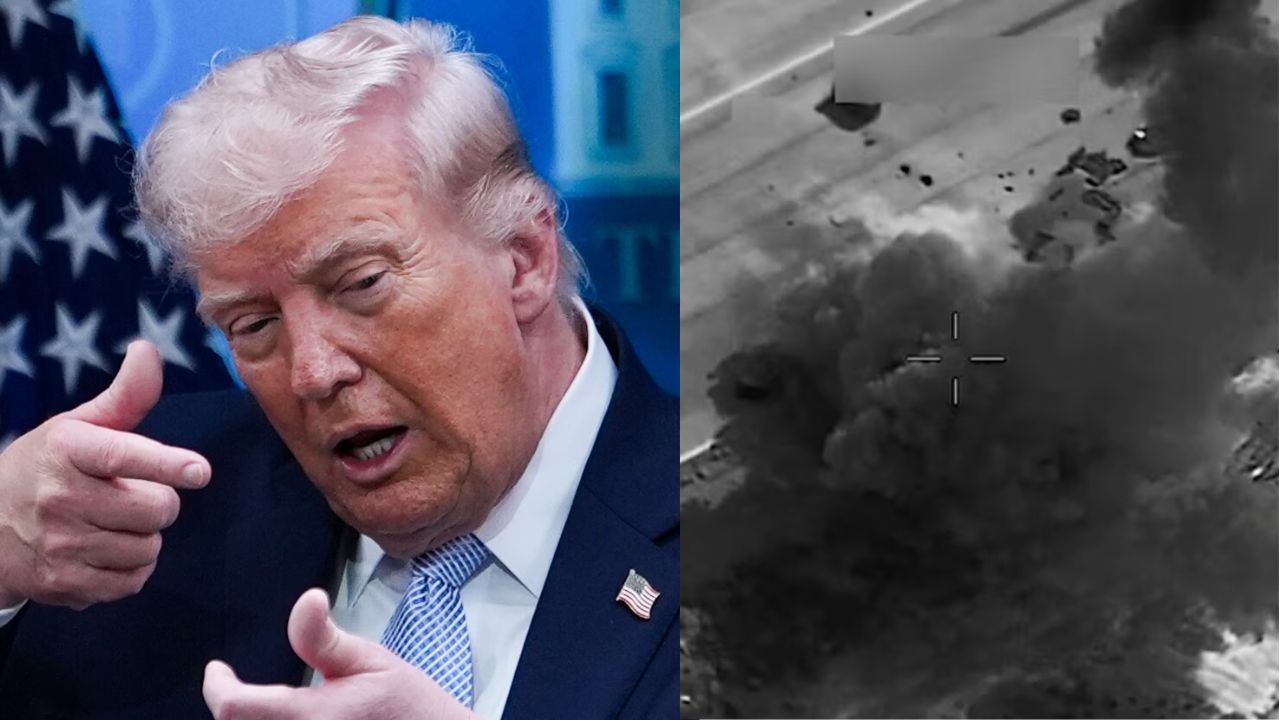
Iran War: Why US ‘Massive Attack’ Put On Hold After 13 Days Of Strikes? Diplomacy Back In Focus

New Delhi: US President Donald Trump has put plans for a broader military offensive against Iran on hold after 13 consecutive nights of strikes, according to reports citing senior administration officials.
The decision followed high-level discussions involving Trump, his top advisers and cabinet members, as the White House reassessed the risks of further escalation in the Middle East.
Also Read: Trump Says He Trusts Xi, Putin Won’t Arm Iran; Warns Support to Tehran Would Have Serious Consequences
Why the Offensive Was Delayed
Officials reportedly raised concerns over shrinking US air-defense stockpiles, particularly Patriot missile interceptors, and the possibility that an expanded campaign could trigger a wider regional conflict. There were also fears that prolonged military operations could have serious economic consequences and expose American bases and allies in the region to retaliatory attacks.
Diplomacy Takes Priority
The White House said diplomacy remains its preferred approach, although military options have not been ruled out. Officials stressed that Washington is prepared to respond if Iran or its allied groups escalate attacks in the Strait of Hormuz or against US partners. However, the administration currently believes that negotiations and economic pressure offer a more sustainable path than immediate military escalation.
Military Remains on High Alert
Despite stepping back from a larger offensive, the Pentagon continues to reinforce its presence in the Middle East. Additional troops, equipment and supplies have been deployed, ensuring US forces remain ready should the security situation deteriorate. Military planners are also keeping strike options available if required.
Also Read: US-Iran War Update: Middle East Conflict Escalates as Washington Continues Strikes, Tehran Threatens Retaliation
Sanctions and Pressure Continue
Besides its military posture, the US is intensifying economic pressure on Tehran. The Treasury Department has announced fresh sanctions targeting companies and individuals linked to Iran’s financial network. Officials believe sustained sanctions, combined with diplomatic engagement, could prove more effective than launching another large-scale military campaign.
Although tensions have eased compared with recent weeks, the situation across the Middle East remains volatile. For now, Washington appears to be balancing military preparedness with diplomatic efforts while closely monitoring Iran’s next move.

Comments are closed.