Tehran. Iran on Wednesday warned the Gulf countries that if they provide any kind of help to the US Army, it will be considered as involvement in war. Major General Ali Abdullahi, Chief of Staff of the Iranian Armed Forces, said Gulf countries should not provide help to US military forces. He also alleged that the presence of military aircraft deployed at regional bases cannot happen without the knowledge of the host countries. We warn that providing any kind of help or facility to the US military is tantamount to engaging in fighting with US military forces.
America may reduce the deployment of American troops in Gulf countries after the end of the Iran war. This information was given in an American media report on Wednesday quoting Defense Ministry sources. According to the report, whether or not to rebuild the base damaged by the attacks will also be considered.
The movement of oil tankers through the Strait of Hormuz is currently slow amid tensions in the Middle East. According to data received on Wednesday, six vessels passed through this route on Tuesday. The number was down from nine a day earlier and an average of 11 ships over the past 10 days. Before the war, one-fifth of the world's crude oil and liquefied natural gas (LNG) shipments passed through this waterway.
Iran has rejected another temporary ceasefire proposal with the US and demanded a 'permanent end' to the war. Diplomatic efforts have stalled after a 60-day interim deal expired, Gulf News reported, citing Iranian officials.
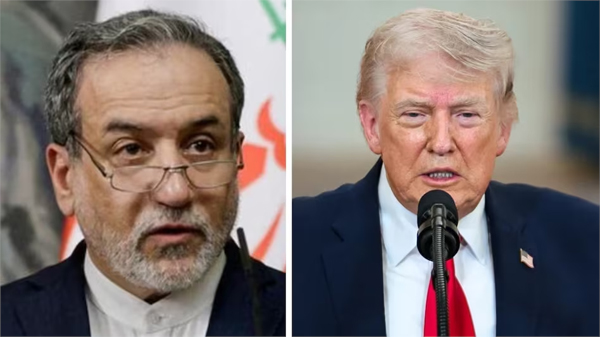
The Islamabad Memorandum of Understanding (MoU), signed by US President Donald Trump and Iranian President Masoud Pezeshkian on June 17, stipulated an immediate halt to military operations and a period of 60 days for talks on key issues such as Iran's nuclear program and sanctions for a final agreement.
This period ended on August 17 without any breakthrough or extension of the deadline, after which both sides have accused each other of violating the agreement.
Iranian Foreign Minister Abbas Araghchi called the agreement 'an end to the war, not a ceasefire' and said Iran had yet to decide whether to resume direct talks. Iranian Parliament Speaker and chief negotiator Mohammad Bagher Ghalibaf said that Hormuz will remain closed until the US lifts the naval blockade of Iranian ports, lifts the oil embargo, releases frozen Iranian assets and ends its military threats.