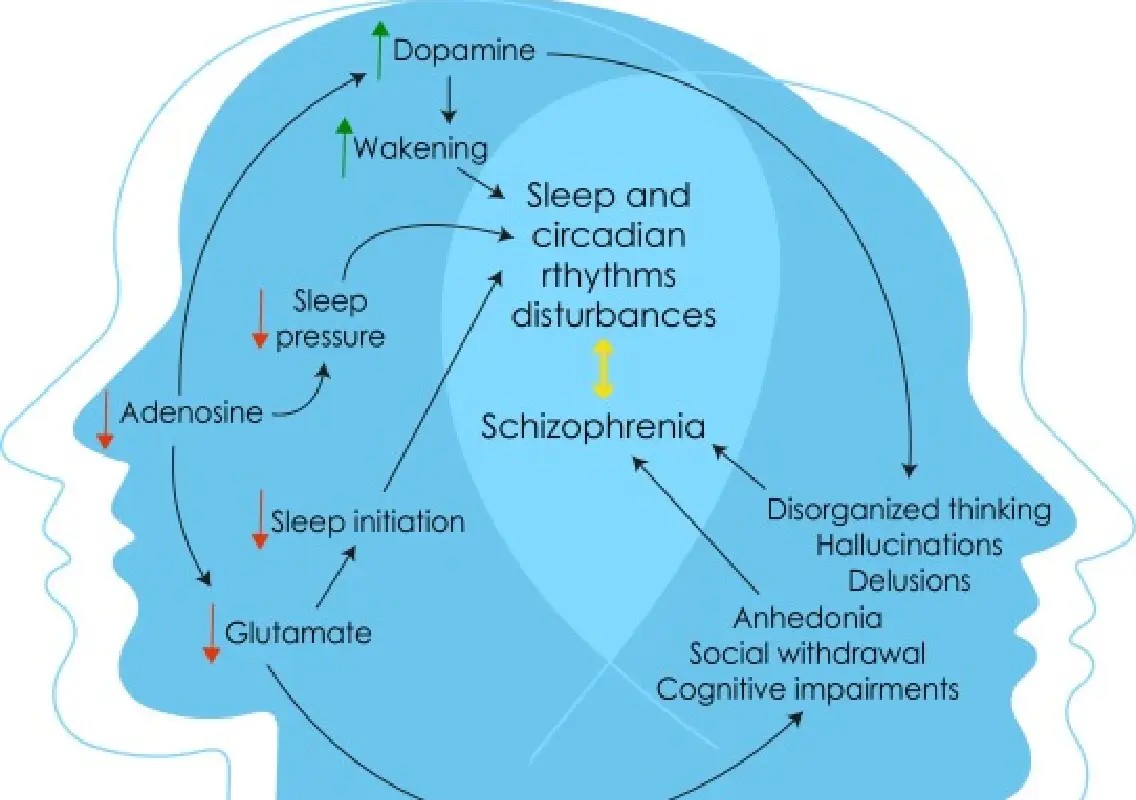
New Delhi: People living with schizophrenia experience significantly greater fluctuations in their sleep patterns than those without the condition, according to a new systematic review and meta-analysis. Researchers say these irregular sleep patterns could help doctors better understand the illness and improve personalised treatment in the future.
The study analysed data from 18 case-control studies involving 1,358 participants, including individuals at clinical high risk of psychosis, patients with schizophrenia spectrum disorders and healthy volunteers. Researchers found greater variability in total sleep time, time spent in bed, wakefulness after falling asleep and overall sleep efficiency among people with schizophrenia.
Sleep may offer important clues
Researchers noted that previous studies mainly focused on average sleep duration, whereas the latest analysis examined how much a person’s sleep varied from one night to another. These fluctuations may serve as a digital biomarker, helping clinicians identify individuals at risk and tailor treatment more effectively.
Sleep disturbances are already recognised as common among people with schizophrenia and can sometimes appear before a relapse or worsening of symptoms. Experts believe that monitoring sleep patterns using wearable devices such as actigraphy watches could support earlier intervention and improved long-term care.
More research needed
While the findings are encouraging, researchers emphasised that irregular sleep patterns alone cannot diagnose schizophrenia. They recommend further studies to determine whether monitoring sleep variability can become a reliable tool for predicting illness progression and improving patient outcomes.