

Public health authorities worldwide are continuing efforts to contain a hantavirus outbreak linked to a cruise ship incident reported in early April, but medical experts say the virus is unlikely to trigger a COVID-19-style global pandemic.
Recent attention surrounding cases connected to the expedition vessel MV Hondius has raised public anxiety, particularly on social media, where comparisons to COVID-19 have intensified.
However, epidemiologists and infectious disease specialists stress that hantavirus behaves very differently from highly contagious respiratory viruses.
Why experts say hantavirus is not “the next COVID”
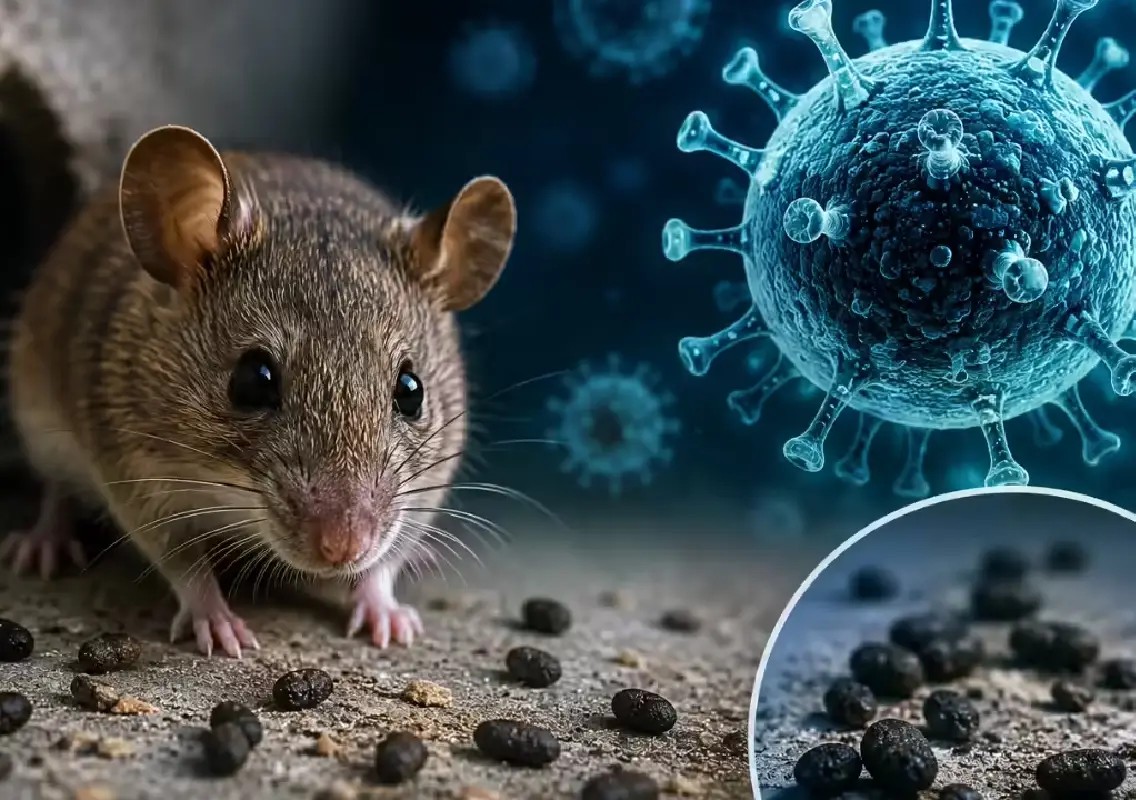
Doctors explain that hantavirus primarily spreads through exposure to infected rodents or contaminated environments. Most strains do not transmit efficiently between humans.
Unlike COVID-19, which spread rapidly through airborne respiratory droplets, hantavirus outbreaks tend to remain localised and limited.
Experts point to several reasons why a global pandemic scenario is considered unlikely:
- Human-to-human transmission is extremely rare
- Most infections involve environmental rodent exposure
- Cases are generally isolated
- Public health agencies are actively monitoring and tracing contacts
- Existing containment measures are considered effective
Only a few rare strains in South America have shown limited person-to-person spread.
Is the U.S. response adequate?
Health authorities in the United States and other countries have intensified surveillance, passenger monitoring, and contact tracing linked to recent cases associated with cruise travel.
Experts say the current response appears proportionate to the level of risk. Medical teams are focusing on:
- Early identification of symptoms
- Isolation and monitoring of suspected cases
- Public awareness campaigns
- International coordination between health agencies
Officials have also stressed transparent communication to prevent misinformation and unnecessary panic.
Symptoms and precautions
Hantavirus symptoms can initially resemble flu-like illness and may include:
- Fever
- Muscle pain
- Fatigue
- Headache
- Nausea
- Breathing difficulty in severe cases
Doctors advise people to avoid rodent-infested areas and follow hygiene precautions while cleaning dusty storage spaces, farms, or abandoned buildings.
Public urged to remain calm
Medical experts continue to emphasise that hantavirus infections remain rare worldwide. While vigilance is important, specialists say there is currently no evidence suggesting the outbreak poses a pandemic-level threat.
Authorities have urged the public to rely on verified medical information instead of online speculation.

Comments are closed.