
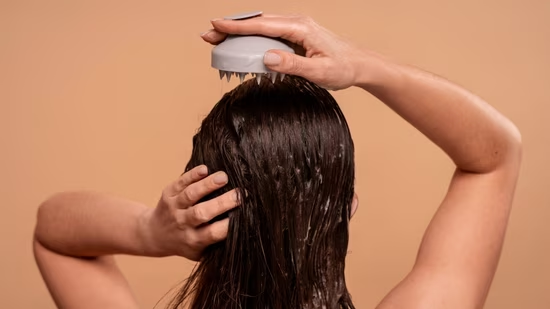

After a late-night workout or a long day at work, many people prefer taking a shower before bed. While it can help you feel refreshed and relaxed, going to sleep with wet hair may not be the best habit for your scalp and hair health.
According to dermatologists, occasionally sleeping with damp hair is unlikely to cause serious problems, but making it a regular habit can increase the risk of scalp issues and hair damage.
Why Sleeping with Wet Hair Isn’t Recommended
When you go to bed with wet hair, your scalp stays damp for several hours. Combined with the warmth generated while you sleep, this creates an environment where fungi and microbes can thrive.
A persistently damp scalp may increase the likelihood of:
- Scalp itching
- Dryness and irritation
- Flaking
- Excess oiliness
- Fungal scalp infections in susceptible individuals
People with dandruff, eczema, or other scalp conditions may be more vulnerable to these problems.
Wet Hair Is More Fragile
Hair is at its weakest when it’s wet.
As you move during sleep, your hair rubs against the pillow, increasing friction. Over time, this can lead to:
- Hair breakage
- Split ends
- Frizz
- Rough hair texture
- Reduced shine
Repeated friction can gradually affect the overall quality of your hair.
Does Sleeping with Wet Hair Cause Hair Loss?
There is no strong scientific evidence that sleeping with wet hair directly causes hair loss.
However, because wet hair is more prone to breakage, frequent damage can make hair appear thinner and less healthy over time.
In other words:
- Hair shedding from the roots: Not directly caused.
- Hair breakage along the strands: Can increase if the habit becomes routine.
What Should You Do Instead?
If you shower before bed:
- Towel-dry your hair gently.
- Allow it to air-dry for a while before sleeping.
- If needed, use a hair dryer on a cool or low-heat setting.
- Avoid tying wet hair tightly.
- Sleep on a clean pillowcase.
Is It Okay Occasionally?
Yes. Accidentally falling asleep with damp hair once in a while is unlikely to cause immediate harm, especially if you have a healthy scalp.
The concern arises when it becomes a nightly habit.
Tips for Healthier Hair
- Wash your hair according to your hair type.
- Avoid excessive heat styling.
- Use a mild shampoo and conditioner.
- Keep your scalp clean and dry.
- Eat a balanced diet rich in protein, iron, zinc, and vitamins.
- Stay hydrated.
Final Thoughts
Sleeping with wet hair every now and then is generally not a major concern, but doing so regularly may increase the risk of scalp irritation, fungal overgrowth in susceptible individuals, and hair breakage due to prolonged moisture and friction. Drying your hair before bedtime is a simple habit that can help maintain healthier hair and a healthier scalp over the long term.
Disclaimer: This article is for informational purposes only and should not be considered medical advice. If you experience persistent scalp itching, dandruff, excessive hair loss, or other scalp problems, consult a qualified dermatologist for proper evaluation and treatment.

Comments are closed.