
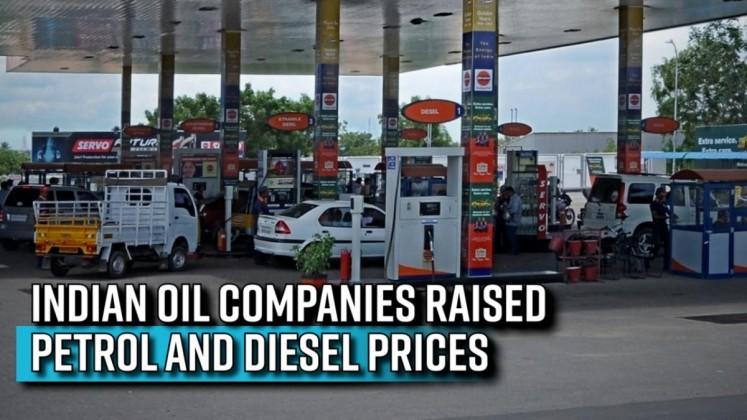
Jammu likely to get piped cooking gas as Gurdaspur–Jammu ga pipeline project nears completion

Like other cities across the country, residents of Jammu and its adjoining areas are likely to receive cooking gas through piped connections in their homes within this year, as the ambitious Gurdaspur–Jammu Natural Gas Pipeline Project is expected to be completed next month.
The project is being executed by the Gas Authority of India Limited (GAIL), and only about 10 per cent of the work remains to be completed.
Director, Food, Civil Supplies and Consumer Affairs (FCS&CA), Rajesh Kumar Shavan, on Saturday inspected the ongoing Gurdaspur–Jammu Natural Gas Pipeline Project along with the City Gate Stations (CGSs) at Vijaypur and Bishnah.
During the inspection, the Director reviewed the progress of the pipeline infrastructure and assessed the status of work at the City Gate Stations. Deputy General Manager (Construction), GAIL India Ltd, Kumar Rahul, briefed him on the technical features of the project, its current progress, and the expected completion timeline of July 2026. The project is being implemented at an estimated cost of ₹237 crore in Jammu and Kashmir.
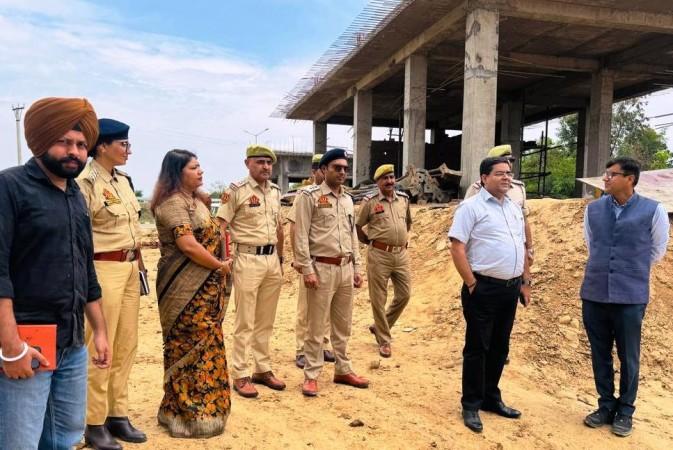
Director Shavan emphasised the importance of the project in strengthening the energy infrastructure of the Jammu region and facilitating the future supply of clean and efficient natural gas to domestic consumers, commercial establishments, and industries. He stressed the need to maintain quality standards, ensure safety protocols, and adhere to prescribed timelines.
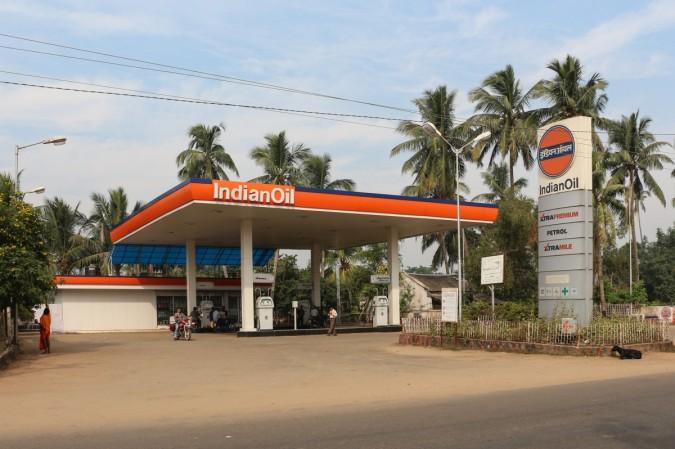
The Director also interacted with officials of the Indian Oil Corporation Limited (IOCL) and advised them to closely monitor land acquisition cases and utility shifting so that work beyond Vijaypur can commence immediately.
Senior officers of the FCS&CA Department and representatives of the executing agency accompanied the Director during the inspection.
Reports said that work in Kathua and Samba districts is nearly complete, while work in Jammu district is expected to begin shortly. Nearly 78 kilometres of pipeline are being laid—37 km in Kathua, 38 km in Samba, and the remaining stretch in Jammu—terminating at Jammu’s Ring Road, from where the City Gas Distribution (CGD) network will be developed.
Despite delays caused by heavy rainfall in August 2025, the project is expected to be fully completed in these districts by next month.
The pipeline will connect Jammu and Kashmir with the national gas grid, promoting cleaner fuel alternatives and strengthening the region’s energy infrastructure.
Besides piped cooking gas, the project will also ensure an adequate supply of Compressed Natural Gas (CNG) for vehicles in the Jammu region. This is expected to provide significant relief to vehicle owners, as CNG is considerably more economical than petrol and diesel.
Kathua and Samba towns will also benefit from the project during the initial phase, along with Jammu city. Officials expect household piped gas connections to become available in Jammu before April next year.
Reports said that a detailed survey has already been conducted in consultation with the city administration and officials of the Smart City Project. Several locations in Jammu city have been identified for the installation of gas gate stations. Work on laying the city gas distribution network is expected to begin shortly, as the blueprint has already been finalised and approved.
PNGRB Invites Bids for Jammu–Srinagar Gas Pipeline
Reports said that the Petroleum and Natural Gas Regulatory Board (PNGRB), which is empowered to invite bids for the development of gas pipelines across the country, has initiated the process for the Jammu–Srinagar Natural Gas Pipeline Project.
The proposed 325-kilometre pipeline will originate from the terminal point of the Gurdaspur–Jammu Natural Gas Pipeline being implemented by GAIL (India) Ltd and extend up to Srinagar.
The pipeline will have a minimum capacity of 2 million metric standard cubic metres per day (MMSCMD), including common carrier capacity, and will cater to the growing natural gas requirements of the Kashmir Valley.
The project aims to introduce the widespread use of natural gas and contribute to the sustainable development of the region. It is expected to facilitate the supply of this environmentally friendly fuel in a cost-effective manner across the mountainous areas of the Union Territory of Jammu and Kashmir.
The availability of natural gas is expected to stimulate economic activity by providing industries, businesses, and households with a cleaner and more efficient source of energy. In turn, this is likely to contribute significantly to the overall economic development of both the Jammu region and the Kashmir Valley.

Comments are closed.