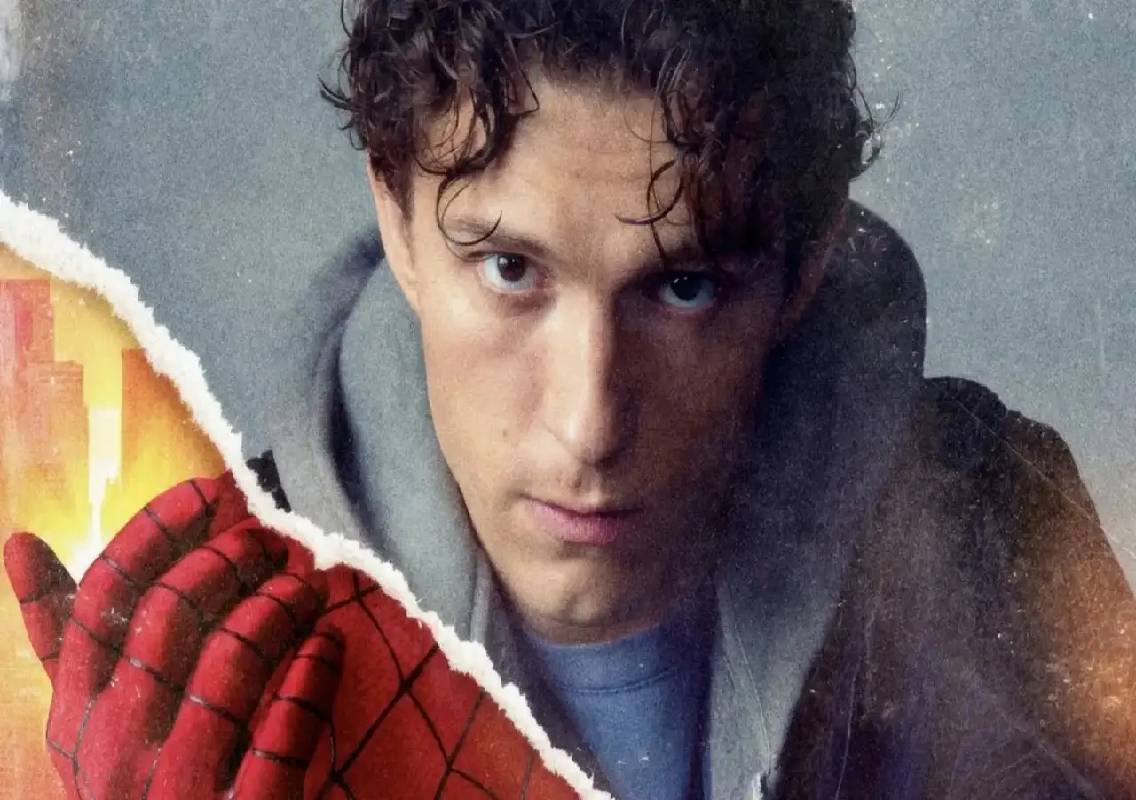
Los Angeles: Veteran actress Kathy Garver, best known to Spider-Man fans as the voice of Fire-Star in the classic animated series Spider-Man and His Amazing Friends, has criticised modern portrayals of the superhero, saying they appear to lack the emotional support and warmth that defined earlier versions of the character.
Garver, who voiced Fire-Star in the 1981–83 animated series, shared her views while reflecting on the evolution of Spider-Man across television and cinema. She praised modern Marvel productions for creating expansive interconnected worlds but said she felt something emotionally important had been lost in newer interpretations.
Kathy Garver reflects on her Spider-Man legacy
Garver was part of Spider-Man and His Amazing Friends, which premiered in 1981 and featured Spider-Man alongside Iceman and Fire-Star.
Her character was more than another superhero in the series. Fire-Star provided companionship and emotional support for Spider-Man, something Garver believes helped give the animated version a sense of warmth.
More than four decades later, Garver remains closely associated with the character among fans of the classic series.
During a recent interview with Entertainment Weekly, she discussed how Spider-Man has changed as the franchise moved through different generations and formats.
‘These new Spider-Men’ feel alone, she says
Garver’s criticism centred largely on the emotional dimension of Spider-Man.
She said newer versions of the character appear to lack the same kind of emotional support that Fire-Star brought to the original animated series.
In her view, modern Spider-Man stories can leave Peter Parker feeling isolated rather than surrounded by people who provide emotional strength.
Garver described the newer versions as “desolate and all alone”, arguing that this takes away some of the warmth traditionally associated with Spider-Man and with creator Stan Lee.
Her comments are particularly notable because she is speaking from the perspective of someone who was part of an earlier Spider-Man adaptation.
She has not watched the newest film
Despite her criticism, Garver acknowledged that she had not yet watched Spider-Man: Brand New Day.
Instead, she said a fan had recently explained the film’s story to her, prompting her to become interested in watching it herself.
She said the description made the new Spider-Man story sound emotionally difficult for Peter Parker.
Garver’s comments therefore appear to be based partly on her understanding of recent Spider-Man stories rather than a detailed assessment of the latest film itself.
Tom Holland’s Spider-Man era
The current live-action Spider-Man era has been led by Tom Holland, who first appeared as Peter Parker in Captain America: Civil War before starring in his own trilogy.
Holland’s portrayal followed earlier big-screen versions played by Tobey Maguire and Andrew Garfield.
All three actors eventually appeared together in Spider-Man: No Way Home, giving fans a rare opportunity to see different generations of the character interact.
Garver’s comments come at a time when the franchise continues to expand, with Holland’s Spider-Man entering another chapter in Spider-Man: Brand New Day. (EW.com)
Garver praises Marvel’s expanding universe
Garver’s remarks were not entirely negative.
She acknowledged that modern Marvel productions have succeeded in creating a much larger universe around their characters.
The interconnected nature of contemporary superhero storytelling has allowed Spider-Man to interact with numerous other Marvel characters and become part of larger cinematic narratives.
Garver recognised that achievement while questioning whether the emotional qualities that made earlier versions special have been preserved.
Her concern is therefore less about the scale of modern superhero films and more about the personal relationships surrounding Peter Parker.
Why emotional support matters to Spider-Man
Spider-Man has traditionally been portrayed as a superhero who balances extraordinary responsibilities with ordinary personal struggles.
Peter Parker is often depicted dealing with school, work, relationships, family, grief and financial difficulties while simultaneously fighting criminals.
That combination has historically been one of the character’s defining qualities.
For Garver, relationships such as the friendship between Spider-Man, Fire-Star and Iceman helped emphasise the human side of the superhero.
Without that support system, she believes the character can feel more isolated.
Fire-Star’s importance to the classic series
Fire-Star was created specifically for Spider-Man and His Amazing Friends and became an important part of the animated franchise.
Garver’s performance helped establish the character as a close ally of Spider-Man.
The series focused heavily on the trio’s interactions, giving the superhero action stories a strong friendship element.
Fire-Star’s presence eventually became significant enough that the character was incorporated into the wider Marvel Comics universe.
That makes Garver’s perspective particularly interesting when discussing how the emotional dynamics surrounding Spider-Man have evolved.
Garver also discussed Stan Lee’s influence
Garver connected her comments about emotional warmth to Stan Lee, who was closely involved with Marvel’s creative identity and the development of Spider-Man’s public persona.
She described Lee as emotional and energetic, qualities she believes were reflected in the warmth of earlier Spider-Man storytelling.
The classic animated series was produced during a period when Marvel’s characters were increasingly being adapted for television, helping introduce Spider-Man to younger audiences.
Garver’s comments suggest that she sees the emotional accessibility of those adaptations as an important part of their lasting appeal.
Spider-Man has changed across generations
Spider-Man has undergone several major reinterpretations since his creation.
Maguire’s version focused heavily on Peter’s relationships, responsibility and personal sacrifices. Garfield’s portrayal explored grief, romance and Peter’s struggle to deal with the death of people close to him.
Holland’s version initially presented a younger Peter who was closely connected to other characters in the Marvel Cinematic Universe.
However, later developments dramatically changed Peter’s circumstances and left him considerably more isolated.
That evolution may help explain Garver’s reaction to descriptions of the current version.
Her criticism comes with a generational perspective
At 80, Garver has witnessed multiple generations of Spider-Man adaptations.
Her perspective is naturally shaped by the version of the character she helped bring to television audiences in the early 1980s.
Fans who grew up with later versions may have a different understanding of what makes Spider-Man emotionally compelling.
Nevertheless, Garver’s comments highlight a recurring debate among superhero audiences: whether increasingly large cinematic universes risk overshadowing the personal relationships that originally made individual characters relatable.
Modern Spider-Man continues to expand
Despite Garver’s reservations, Spider-Man remains one of Marvel’s most commercially successful and recognisable characters.
The franchise has expanded from comics and television into major film series, animated features, video games and merchandise.
The upcoming Spider-Man: Brand New Day represents another stage in that evolution.
Meanwhile, Spider-Man: Beyond the Spider-Verse is also in development, with its release scheduled for 2027.
The different versions demonstrate how widely the character can be interpreted while retaining his basic identity.
Garver’s comments spark a familiar debate
Garver’s criticism ultimately raises a broader question about what audiences expect from Spider-Man.
For some fans, the character’s appeal comes primarily from spectacular action and his place within the larger Marvel universe.
For others, Spider-Man works best when the superhero is balanced by Peter Parker’s friendships, family relationships and everyday struggles.
Garver clearly belongs to the second camp.
Her emphasis on emotional support reflects the qualities she remembers from the animated series and believes helped distinguish Spider-Man from other superheroes.
Conclusion
Kathy Garver, who voiced Fire-Star in the classic Spider-Man and His Amazing Friends, believes modern portrayals of Spider-Man have lost some of the emotional warmth that made the character special.
While she praised Marvel for building an expansive universe, she argued that newer versions can leave Peter Parker feeling isolated and lacking the emotional support that earlier adaptations provided.
Garver has not yet watched Spider-Man: Brand New Day, so her comments are not a direct review of the latest film. Still, her perspective offers an interesting reminder that, behind the superhero costumes and massive cinematic universes, Spider-Man’s emotional relationships have always been central to his appeal.