Kerala: Kerala has reported a rise in chikungunya cases amid favourable monsoon conditions for mosquito breeding, with 105 confirmed and 62 probable cases recorded as of August 4. Thiruvananthapuram has reported the majority of the cases, prompting health authorities to intensify surveillance and mosquito-control measures.
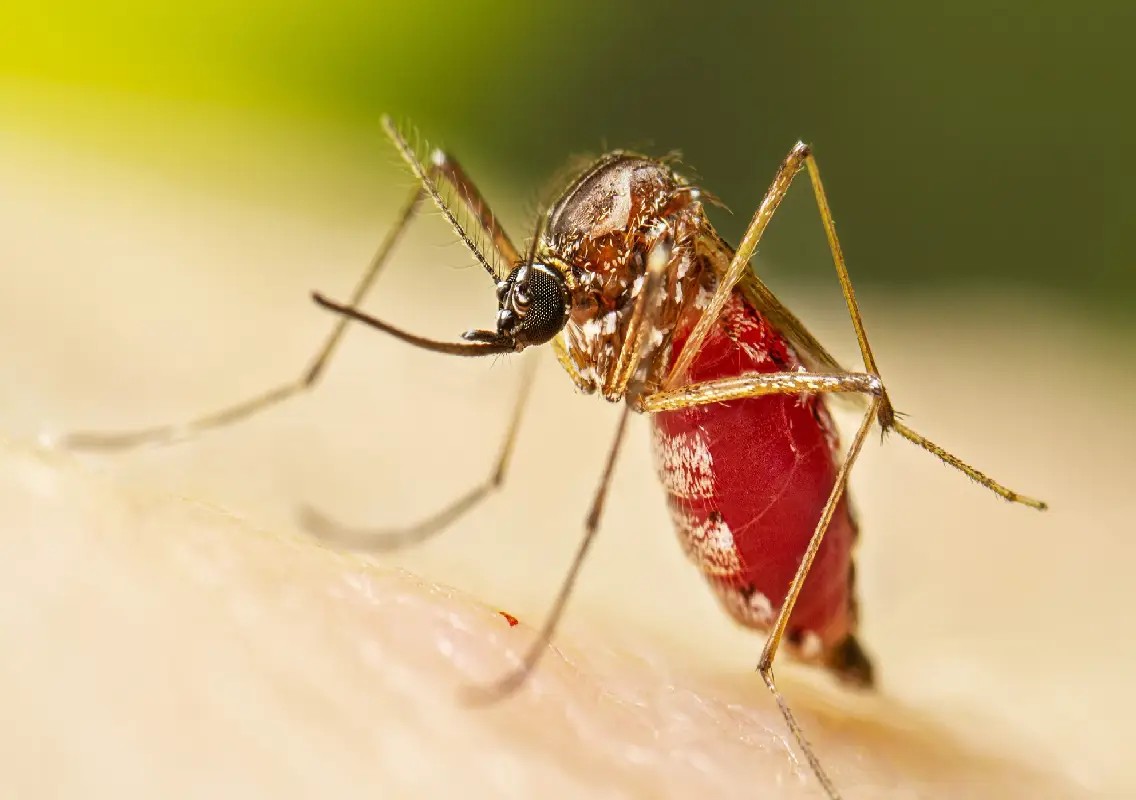
The increase has renewed concerns over the spread of chikungunya virus (CHIKV), a mosquito-borne infection primarily transmitted by Aedes aegypti and Aedes albopictus. Both mosquito species can also transmit dengue, making vector control particularly important during the rainy season.
Monsoon conditions fuel mosquito breeding
Health experts have linked the rise in chikungunya infections to the favourable breeding conditions created by the monsoon. Persistent rainfall can leave water collected in containers, tyres, flower pots, coconut shells, drains and other locations, providing breeding sites for Aedes mosquitoes.
TS Anish, Professor of Community Medicine at the School of Public Health, Kerala University of Health Sciences, said monsoon conditions encourage the breeding of Aedes aegypti and Aedes albopictus. High mosquito populations can, in turn, facilitate sustained transmission of CHIKV.
The current increase has therefore placed greater emphasis on reducing mosquito breeding sites in residential areas and public spaces.
Thiruvananthapuram reports majority of cases
Of the 105 confirmed and 62 probable chikungunya cases reported in Kerala as of August 4, a majority have been recorded in Thiruvananthapuram.
The rise has prompted health authorities to strengthen disease surveillance and public awareness efforts in affected areas. Officials are also focusing on mosquito-control activities to prevent further transmission.
Kerala has experienced chikungunya outbreaks in the past, making continued monitoring important during periods of heavy rainfall.
What is chikungunya?
Chikungunya is a viral infection caused by the chikungunya virus. It is transmitted when a person is bitten by an infected Aedes mosquito.
The infection is not generally spread directly from one person to another through casual contact, coughing or sneezing. Instead, a mosquito becomes infected after biting a person carrying the virus and can subsequently transmit the infection when it bites another person.
The mosquitoes responsible for transmission are primarily active during the daytime, including the early morning and late afternoon.
Symptoms can include severe joint pain
Chikungunya commonly begins suddenly, with fever and intense joint pain among its most characteristic symptoms.
Other symptoms can include headache, muscle pain, fatigue, skin rashes and swelling around the joints. Pain can particularly affect the hands, wrists, ankles and feet.
While the fever often improves within several days, joint pain may persist for weeks or months in some patients. In certain cases, prolonged joint inflammation and stiffness can interfere with routine activities and mobility.
This prolonged joint pain is one of the major reasons chikungunya can cause significant illness even though it is rarely fatal.
How does chikungunya spread?
The virus spreads primarily through infected Aedes mosquitoes. These mosquitoes commonly breed in small collections of stagnant water around homes and communities.
Potential breeding sites include water-filled buckets, flower pots, discarded containers, old tyres, coconut shells, coolers and uncovered water-storage vessels.
During the monsoon, rainfall can quickly create additional breeding sites. Even small quantities of stagnant water can provide suitable conditions for mosquito larvae.
Health officials therefore stress the importance of regularly inspecting homes and surrounding areas and removing standing water.
Diagnosis and treatment
Chikungunya is generally diagnosed by healthcare professionals based on symptoms, exposure history and laboratory testing where required.
There is currently no specific antiviral treatment routinely used to cure chikungunya. Treatment mainly focuses on managing symptoms and supporting recovery.
Adequate rest and fluid intake are important, while medicines such as paracetamol may be used for fever and pain when advised by a healthcare professional.
Because chikungunya and dengue can have overlapping symptoms, people with fever and other suspected symptoms should seek medical advice rather than self-medicate. Medical evaluation can help determine the appropriate tests and treatment.
Complications require attention
Although most chikungunya infections are not fatal, some patients can experience prolonged or severe symptoms.
Persistent joint pain, swelling and stiffness can continue after the acute infection has resolved. In some cases, prolonged inflammation may affect mobility and daily activities.
Rare complications can involve the nervous system, heart or eyes. Severe illness is more likely to be a concern among older adults, newborns, pregnant women around the time of delivery and people with certain underlying health conditions.
Patients experiencing severe symptoms, persistent fever, significant weakness, dehydration or other concerning signs should seek prompt medical attention.
Preventing mosquito breeding is crucial
With Kerala experiencing a monsoon-linked increase in chikungunya cases, reducing mosquito breeding sites remains one of the most important preventive measures.
Residents can help by removing stagnant water from their homes and surroundings at least once a week and keeping water-storage containers properly covered. Discarded containers, tyres and other objects that can collect rainwater should also be cleared or stored in a way that prevents water accumulation.
People can further reduce mosquito bites by wearing full-sleeved clothing, using mosquito repellents and ensuring that windows and doors are appropriately screened.
Community-level action is equally important because mosquito breeding sites can exist outside individual homes.
Continued vigilance needed during monsoon
The rise in chikungunya cases has highlighted the continuing public health challenge posed by mosquito-borne diseases during Kerala’s rainy season. Since the same Aedes mosquitoes can transmit chikungunya and dengue, controlling their population can help reduce the risk of multiple infections.
With 105 confirmed and 62 probable cases reported as of August 4, authorities are strengthening surveillance and mosquito-control measures, particularly in areas reporting higher numbers.
For residents, eliminating stagnant water and protecting themselves from mosquito bites remain key steps in limiting transmission as the monsoon continues.