

The protests by students at Jantar Mantar regarding NEET Paper Leak-2026 have pointed towards a major change in the politics of the country. After this movement, the discussion about the political role and influence of the youth, especially Generation Z, has intensified.
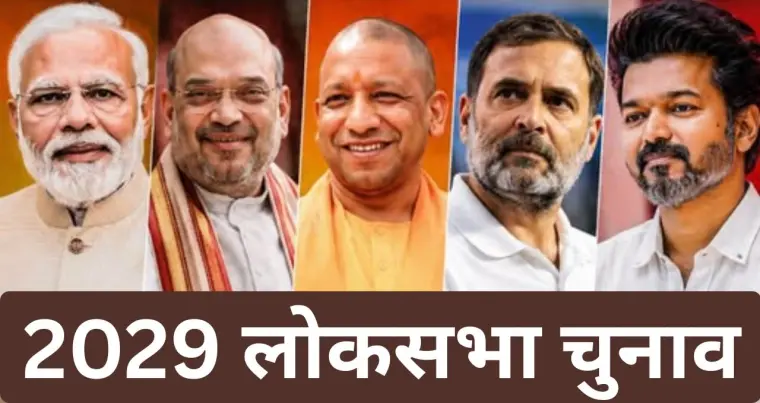
New Delhi: The role of young voters in Indian politics is continuously increasing and Gen Z is being seen as an influential political group ahead of the 2029 general elections. The increasing activism of youth on issues like education, employment, digital rights and transparency has forced political parties to rethink their strategy.
In recent years, student movements and social media-based campaigns have shown that youth are no longer just voters but have become a major force influencing political discourse. In such a situation, Prime Minister Narendra Modi, Congress leader Rahul Gandhi and other major political parties are keeping an eye on this emerging vote bank.
NEET-UG controversy and youth political activism
Student protests over the NEET-UG paper leak controversy have brought issues such as the education system, transparency of the examination process and government accountability to the center of the national debate. The demonstrations held at places like Jantar Mantar indicated that in the digital age, youth can quickly convey their views at the national level. Social media platforms, online campaigns and public protests are now becoming new mediums for youth political participation.
According to political analysts, this is not a movement limited to just one issue, but reflects the changing political thinking and expectations of the young generation.
Gen Z may become the largest adult group by 2029
Projections based on demographic data such as the United Nations’ World Population Prospects 2024 suggest that Gen Z could be among India’s largest adult generations by 2029. Gen Z is generally considered to include people born between 1997 and 2012. According to estimates, by 2029 the number of this generation in India may reach approximately 38 crores (380 million).
These may include about 19.9 crore men and 18.1 crore women. This number could make them the largest adult generation in the country and they could play a decisive role in electoral politics.
Cultivating youth is a big challenge for political parties
India’s major political parties are now paying special attention to reaching out to the youth. Parties are trying to connect with Gen Z through digital platforms, social media campaigns and youth-centric policies. Prime Minister Narendra Modi is strengthening his reach among the youth on social media platforms. At the same time, Rahul Gandhi, Akhilesh Yadav, Mayawati and other opposition leaders are also giving prominence to issues related to youth.
Experts believe that not only traditional caste and regional equations will be decisive in the coming elections, but the preferences of young voters will also play an important role.
Which issues can become important in the 2029 elections?
For Gen Z, there are many issues that can become the center of political debate in the coming elections. These include:
- Employment and new opportunities
- improvement in education system
- Transparency in competitive examinations
- Inflation and cost of living
- Digital rights and internet freedom
- Climate change
- better governance
Young voters are no longer influenced by mere announcements, but also pay attention to the actual impact of policies and their implementation.
Generation Alpha will also be a large population
Generation Alpha will be the next big generation of India after Gen Z. Although this group will not be of voting age in the 2029 Lok Sabha elections, its numbers will be quite large. According to estimates, the population of Generation Alpha could exceed 41 crores, making it India’s largest generation. This group would influence the social and political direction of the country for decades to come.
Although the number of Gen Z is increasing, the share of youth in the total voter population is slowly changing. The proportion of young voters may decline in the coming years due to changes in the population structure in India. According to the data, the share of voters aged 18 to 29 was more than 38 percent in 1988, which declined to around 30 percent by 2024. It is estimated that this ratio may further reduce by 2029.
Comments are closed.