
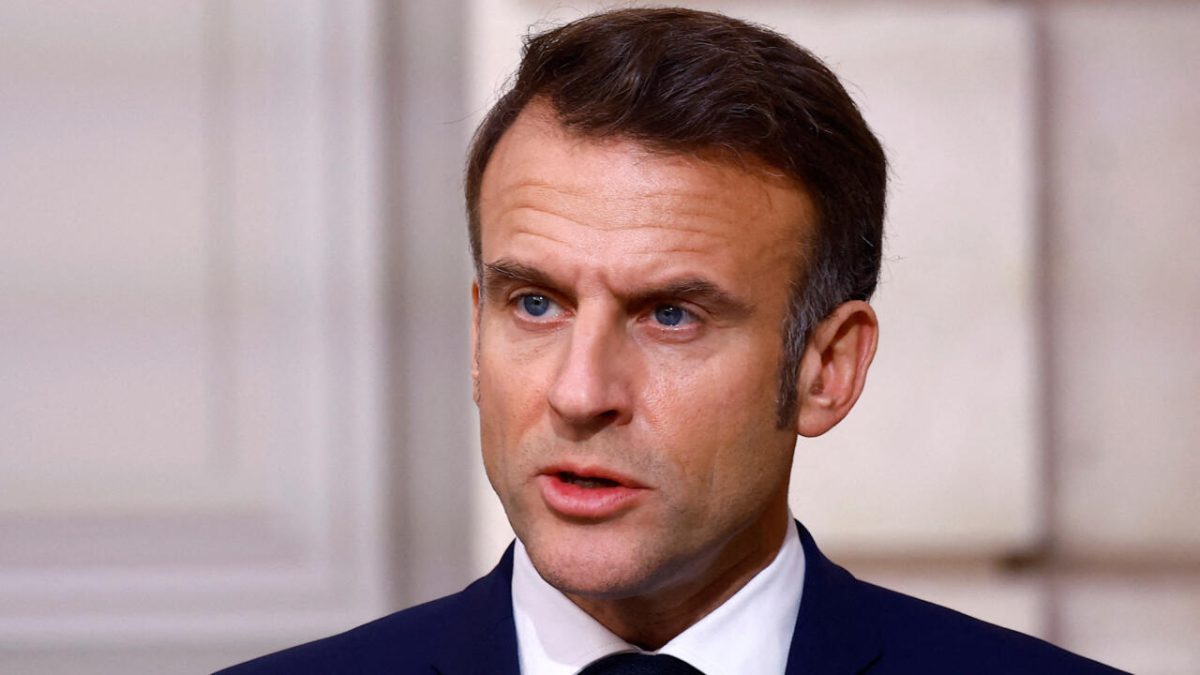

French President Emmanuel Macron has intensified diplomatic pressure for the unconditional reopening of the Strait of Hormuz, pledging direct talks with Iranian authorities while leading a multinational coalition to restore secure navigation.
Speaking alongside Greek Prime Minister Kyriakos Mitsotakis in Athens, Macron outlined his intention to engage Tehran directly. “We have established a coalition whose purpose is precisely to ensure security, to secure and stabilise,” he said, expressing confidence that stakeholders could be convinced in the coming days.
“Our goal is to achieve a full reopening in the coming days and weeks, in accordance with international law, guaranteeing freedom of navigation without tolls on the Strait of Hormuz. Then things can gradually return to normal,” Macron added. He acknowledged that geopolitical uncertainty can fuel panic but insisted the current situation remains manageable in the short term.
The initiative builds on the April 17 Paris summit co-chaired by Macron and UK Prime Minister Keir Starmer, which drew representatives from around 50 countries, including NATO members, South Korea, Australia, and Japan. Participants welcomed Iran’s conditional announcements during ceasefires but demanded a permanent, unrestricted opening free of tolls or Iranian coordination of traffic.
A follow-up meeting of military planners from over 30 nations took place in London the week of April to detail a strictly defensive mission. Plans include warship escorts for merchant vessels, communication protocols with coastal states, and demining support once security conditions allow. France and the UK stress the operation will remain neutral, independent of belligerent parties, and activated only post-sustainable ceasefire.
The push gained urgency after TotalEnergies CEO Patrick Pouyanné warned that prolonged disruption risks tipping the world into energy scarcity. The strait normally carries about one-fifth of global oil and LNG supplies. Pouyanné noted Asian markets already face strain and cautioned that two or three more months of blockage could cause widespread shortages, even with production facilities largely intact.
Macron referenced these concerns in Athens, underscoring the need for swift normalization to prevent deeper impacts on energy prices, fertilizers, and global supply chains.
With commercial traffic still limited by lingering threats, the France-UK-led effort combines high-level diplomacy with operational planning. As of late April 2026, coalition members continue parallel tracks to pressure for full, toll-free access in line with international maritime law while preparing stabilization measures.

Comments are closed.