
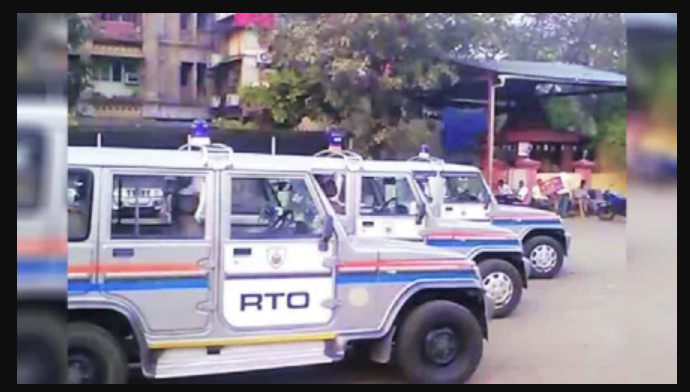

The Maharashtra government has introduced a new framework for establishing Regional Transport Offices (RTOs) and Sub-Regional Transport Offices (SRTOs) across the state. The move comes in response to a steady increase in vehicle registrations, rising demand for transport-related services, and growing pressure on existing transport department infrastructure.
Officials say the revised norms are intended to ensure that new RTOs are established only in areas where demand justifies the investment, while also improving access to services in remote and rapidly urbanising regions. The proposal is currently under consideration for in-principle approval by the state government.
Why Maharashtra Is Revising RTO Norms
Maharashtra has witnessed rapid growth in vehicle ownership over the past decade, particularly in urban and semi-urban regions. This has increased the workload on existing RTOs, which are responsible for vehicle registration, driving licence issuance, fitness certification, tax collection, permit approvals, and other transport-related services.
The state government believes that a structured framework for opening new offices will help improve administrative efficiency while ensuring that transport infrastructure keeps pace with population growth and vehicle expansion.
New Eligibility Criteria for RTOs
Under the proposed norms, a new transport office must satisfy multiple conditions before it can be approved.
Key requirements include:
- Jurisdiction covering at least four talukas
- More than five lakh registered vehicles
- Population exceeding seven lakh
- Annual revenue generation above ₹100 crore
- Distance of more than 50 kilometres from an existing transport office
Areas meeting these benchmarks will be given priority when proposals for new RTOs are evaluated. Officials believe the criteria will ensure that resources are allocated to regions with substantial transport demand.
Focus on Remote and Fast-Growing Areas
One of the primary objectives of the policy is to improve access to transport services in regions where citizens currently travel long distances to reach the nearest RTO.
Several parts of Maharashtra have experienced rapid urbanisation, leading to increased vehicle ownership and greater demand for transport-related services. The government expects the new framework to reduce congestion at existing offices and improve service delivery for residents in underserved areas.
Alternative Facilities for Smaller Regions
The government has also proposed a solution for areas that may not qualify for a full-fledged RTO. Instead of opening a complete transport office, authorities may establish Automated Vehicle Inspection Centres (ATS) and Automated Driving Test Tracks (ADTT).
These facilities will allow residents to access vehicle fitness testing and driving licence assessments closer to their homes without requiring a full RTO setup. The approach is expected to improve convenience while keeping infrastructure costs under control.
What It Means for Vehicle Owners
For citizens, the policy could translate into shorter travel distances, reduced waiting times, and improved access to transport services as Maharashtra’s vehicle population continues to grow.
The revised framework also reflects a broader effort by the state to modernise transport administration and prepare for future growth. As vehicle ownership rises across Maharashtra, authorities are looking to build a transport network capable of handling increasing demand without compromising service quality.
The Road Ahead
Once approved, the new norms will serve as the benchmark for future RTO and SRTO expansion across Maharashtra. The policy is expected to guide infrastructure planning for years to come while ensuring that transport services remain accessible, efficient, and aligned with the state’s evolving mobility needs.
Image Source

Comments are closed.