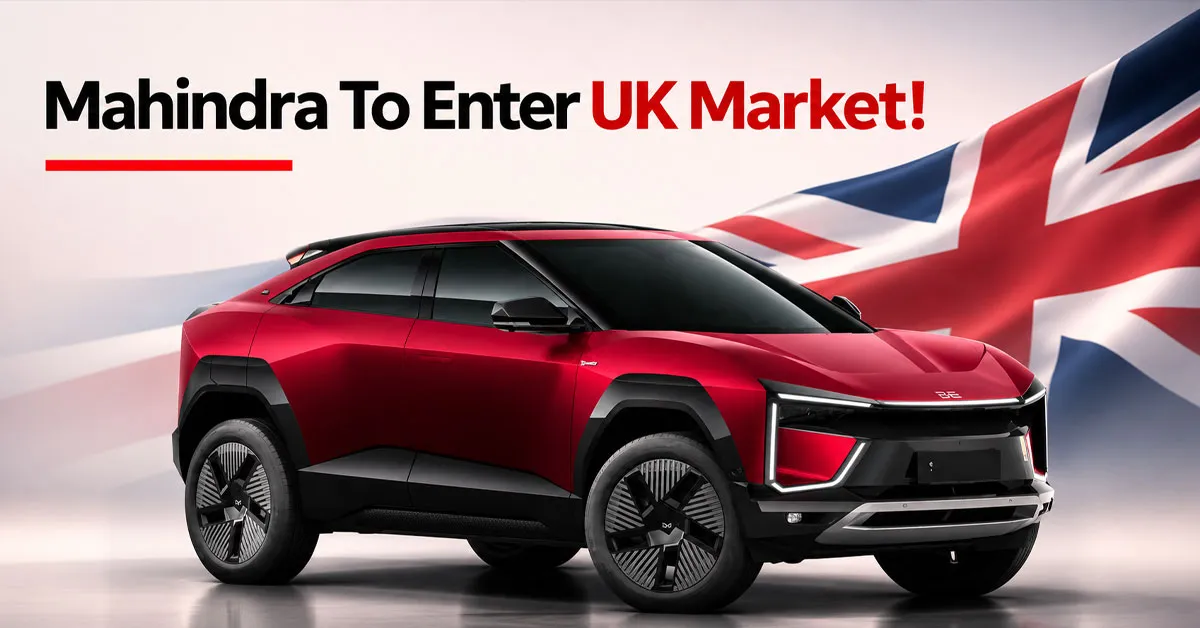
Mahindra is preparing to enter the UK passenger car market with three electric SUVs: the BE 6, XEV 9e and upcoming BE 07. The company has already conducted customer clinics in the UK to understand buyer reactions, according to a report by Autocar India and its UK sister publication. The BE 6 is expected to lead the introduction, but Mahindra has not announced UK prices, dealer locations or a confirmed launch date.
The original target was 2027, following comments from Mahindra Automotive Division CEO Nalinikanth Gollagunta after the India-UK trade agreement took effect. However, entry could move to 2028 while the company completes vehicle certification and cybersecurity compliance. That makes the latest development a serious export plan rather than an imminent showroom launch.
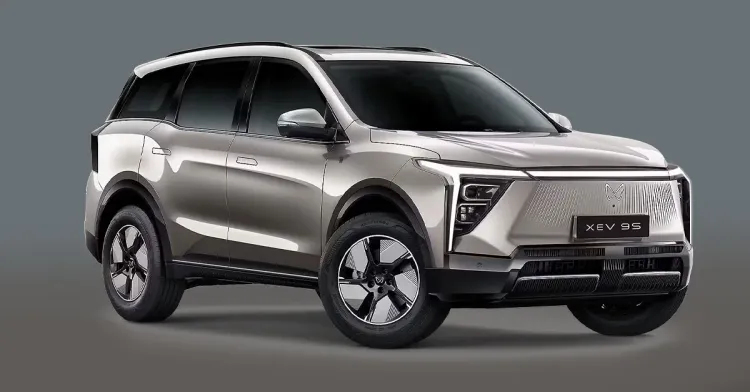
The BE 6 is the most distinctive of the three, with its coupe-like roofline and sharply styled body. It is already sold here, as is the larger XEV 9e. Both sit on Mahindra’s dedicated INGLO electric platform, which was developed for battery-powered SUVs rather than adapted from a petrol or diesel model.
The BE 6 is currently offered with 59kWh, 70kWh and 79kWh battery options depending on the variant. Mahindra quotes up to 708km of certified MIDC range for its latest 79kWh BE 6 SPORTEQ. The XEV 9e has 59kWh and 79kWh options, with a certified range of up to 656km. Those are domestic test-cycle figures, not UK WLTP ratings. The eventual UK versions could have different equipment, certification and range figures.
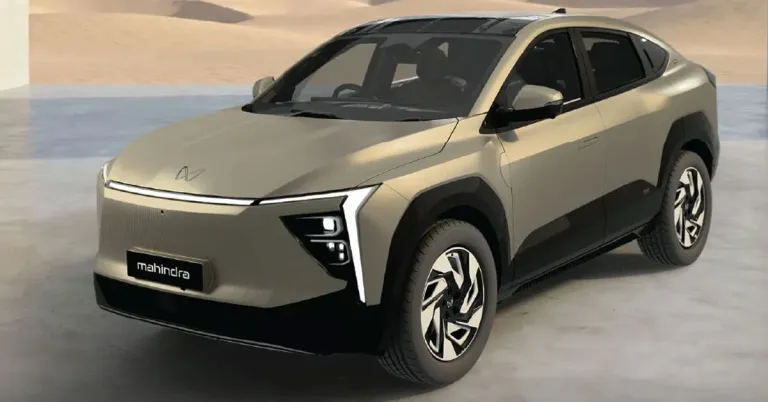
The third model, BE 07, has not yet launched. Mahindra expects to introduce it domestically in 2027. Earlier company material described it as a family-oriented SUV measuring about 4.57 metres long, but its final design, battery configurations, specifications and selling price have not been confirmed. It would be incorrect to treat the old concept dimensions as final production specifications.
The UK drives on the left, so vehicles are right-hand drive, just as they are here. That should reduce the need for a fundamental change in steering layout. Mahindra also has a local presence through its Mahindra Advanced Design Europe studio, established in the UK in 2022, which contributed to the design of its electric SUV family.
But Mahindra is not entering an empty market. UK customers can already buy electric SUVs from Tesla, Hyundai, Kia, Volkswagen, MG and several other manufacturers. The BE 6 and XEV 9e will need competitive prices and good real-world range, along with dependable servicing, parts supply, warranties and software support.
Mahindra has tried the UK passenger car market before. Its small e2o electric city car was introduced in 2016 but withdrawn after weak sales. A return with larger, more powerful SUVs is a different proposition, although the earlier experience underlines the importance of building a viable retail and service operation.
The immediate hurdle is approval under UK vehicle regulations. Mahindra’s electric SUVs must comply with requirements based on UN Regulation 155, covering automotive cybersecurity, and UN Regulation 156, covering management of vehicle software updates. These rules go beyond testing brakes, lights or crashworthiness: manufacturers must demonstrate processes for protecting connected vehicles and maintaining software safely.
The UK has moved these requirements into its type-approval system, with key dates beginning in June 2026 for new vehicle types. Mahindra’s Indian-market vehicles were not initially developed under the same mandatory framework. Meeting it could require documentation, system changes and further validation, which helps explain the possibility of a 2028 launch.
The India-UK free trade agreement makes export planning more attractive, but it is important not to overstate its immediate benefits for electric cars. The UK’s tariff concessions for Indian-built EVs are phased in, with zero-duty quota access beginning in the sixth year of the agreement rather than from day one. The price of Mahindra’s UK cars will also depend on homologation, shipping, tax and distribution costs.
Mahindra’s domestic EV sales provide some encouragement. It recorded around 8,541 electric car registrations in October 2026, 86% more than a year earlier, making it the second-largest EV carmaker behind Tata on that measure. Yet sales at home do not automatically predict acceptance in a very different market.