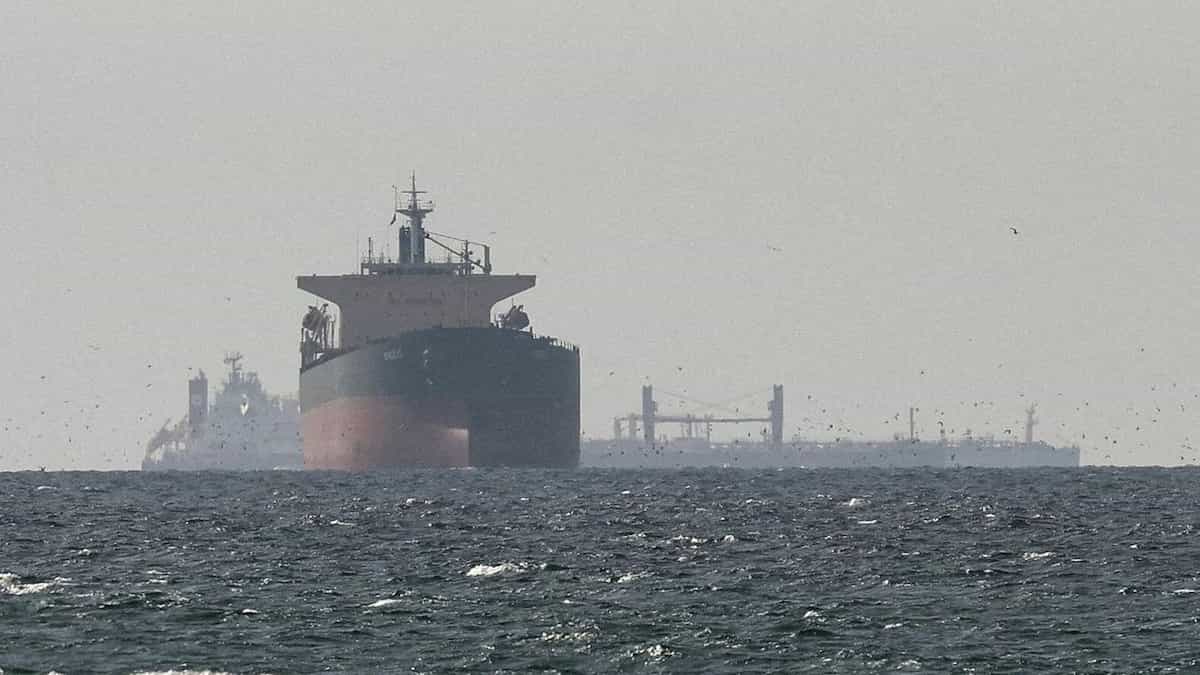
Tension between the US and Iran over the Strait of Hormuz, the world's most sensitive and strategically important oil trade route, has once again reached its peak. US President Donald Trump has made a big claim saying that America has complete control over this important waterway. On the other hand, Iran has completely rejected Trump's claim and warned that it is impossible to open this route without Tehran's permission. The conflict has created a stir in global politics and energy markets. Trump's big claim: US Navy keeps strict guard on Hormuz US President Donald Trump has adopted an aggressive stance and made it clear that America has complete control over the Strait of Hormuz. He has described the presence of the American army as a security wall which is not possible for Iran to cross. This statement of Trump has come at a time when geopolitical tension continues to persist in the Middle East and global superpowers are trying to prove their supremacy on this sea route. Iran's counterattack: The road will not open without our conditions. On the other hand, Iran has launched a sharp counterattack on America's claim of control. Iranian leadership and military officials have made it clear that unless Tehran's security and economic conditions are met, the situation regarding the movement of ships through this waterway will remain tense. Iran has bluntly said that their consent is essential for regional stability and safe trade through this route, and the US's unilateral claims will not change the ground reality. Impact on the Global Economy and Crude Oil Prices The Strait of Hormuz is one of the world's most important chokepoints, through which a large portion of global crude oil passes. This tension between America and Iran can have a direct impact on the prices of crude oil in the international market. Investors and energy markets around the world are keeping a close eye on whether this dispute will turn into a major military conflict or a solution will be found at the diplomatic level.