
Mumbai, Aug 29: Indian equity markets remained under pressure for the third straight week as investors weighed uncertainty over global interest rates, geopolitical developments and changing market dynamics.
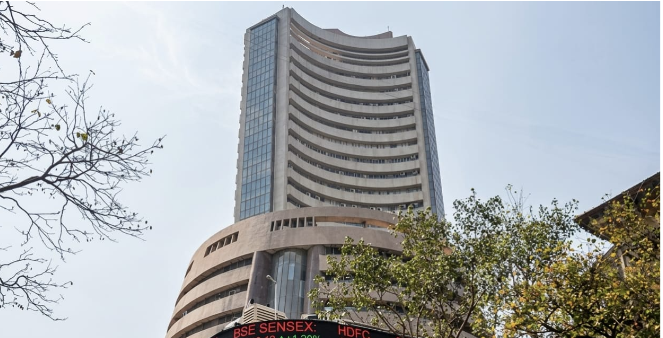
The Nifty slipped 0.31 per cent over the week, although it recovered 0.35 per cent in Friday’s session to close at 24,175. The Sensex gained 330 points, or 0.43 per cent, on the final trading day to settle at 77,264, but still ended the week 0.36 per cent lower.
Trading sentiment was also influenced by the introduction of the Closing Auction Session (CAS) for futures and options stocks. Unusually sharp movements during the monthly derivatives expiry prompted concerns among market participants about short-term price volatility and possible price mismatches, particularly in large and actively traded companies.
The market found some support towards the end of the week, with IT stocks leading Friday’s recovery. Positive signals from global technology markets and better-than-expected results from Nvidia encouraged investors to return to technology shares.
Despite the late-week rebound, the broader market remained cautious as investors assessed signals from the US Federal Reserve. Comments made by the Fed Chair at the Jackson Hole symposium kept attention focused on whether global borrowing costs could remain elevated for longer than previously expected.
The interest-rate outlook remains important for emerging markets. Higher US bond yields and uncertainty over inflation can influence the flow of foreign institutional capital into markets such as India, potentially adding to short-term volatility.
Sector performance was mixed during the week. IT stocks stood out, with the Nifty IT index rising around 2.45 per cent, supported by renewed optimism around global technology spending and positive developments in the international technology sector.
Pharmaceutical and selected metal stocks also attracted buying interest, while weakness in some banking and consumer-oriented shares limited gains in the broader market.
A decline in crude oil prices provided another positive factor for India. Brent crude fell more than 4 per cent during the week to around $88 a barrel, helped by expectations that shipping conditions through the Strait of Hormuz could improve.
Lower oil prices can be beneficial for India because the country relies significantly on imported crude. A sustained decline could help contain input costs and reduce pressure on the import bill. However, geopolitical risks remain a major variable, and any disruption to energy supplies could quickly push prices higher.
From a technical perspective, analysts are watching the 24,000–23,800 range as an important support zone for the Nifty. On the upside, 24,300–24,400 is being seen as a key resistance area.
For Bank Nifty, immediate support is placed around 56,900–56,500, while the 57,800–58,000 range remains an important resistance zone.
Attention will now shift towards upcoming economic data. Domestic growth indicators and global releases are expected to provide investors with fresh clues about the direction of markets.
The US August employment data and non-farm payrolls report, due on September 4, will be particularly important. Strong or weak employment numbers could influence expectations surrounding the Federal Reserve’s next interest-rate decisions and, in turn, global investor flows.
For domestic investors, the recent correction highlights the importance of looking beyond daily market movements. India’s economic fundamentals remain an important support, but global interest rates, crude prices, geopolitical developments and foreign capital flows can continue to create short-term swings.
The market is therefore entering the next week with a mixed set of signals—selective sectoral strength on one side and continued global uncertainty on the other. Investors are likely to remain cautious and selective until greater clarity emerges on monetary policy and the global economic outlook.