
The Maruti Baleno is set to get a facelift on September 5, 2026. This will be the first update to the second-generation Baleno and will bring significant changes. It has now been reported that the facelift will replace the outgoing model’s 1.2L 4-cylinder petrol engine with Swift’s 3-cylinder naturally aspirated (Z12E) engine.
Source: Autobuzz Goa
The second-generation Baleno now comes with a 1.2-litre, four-cylinder, K-series, VVT petrol engine with DualJet technology. It makes 90PS and 113Nm and is loved for its refinement. It feels relaxed to drive and you can barely feel the engine running once it warms up. Time has, however, come for us to bid adieu to this engine.
The facelift will replace it with a 1197cc, three-cylinder, naturally aspirated petrol engine- the Z12E. At present, this engine does duty on models like the Swift and Dzire. On the Swift, it makes 82PS and 112Nm. It remains unclear for now, as to what output it will have on the Baleno facelift.
The actual impact of the transition to a three-cylinder engine will be felt in the refinement levels. From what we have experienced on the Swift and Dzire, the Z12E engine isn’t as smooth or refined as the four-cylinder ones. This difference is likely to be felt on the Baleno as well.
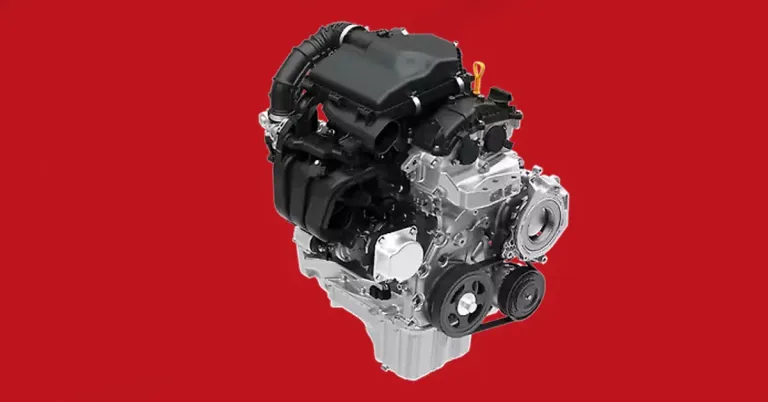
The K-series engine will eventually be phased out. In the past few years, we have seen many Maruti models losing it, and the trend is likely to continue. The Swift and Dzire, two of Maruti’s top performers ditching it has already made the intent clear. Now, let’s see what makes the Z12E an ideal alternative for the K-series engine.
Firstly, the Z12E is future-ready and supports hybridisation. Both series hybrids and strong hybrids can be made based on this engine. Maruti plans to bet big on hybrids in the near future. We expect to see hybrids based on the Fronx and the Baleno launch in the coming years. Introducing a compatible engine like the Z12E on key models can be seen as part of this strategy.
Secondly, being a frugal three-cylinder engine, the Z12E delivers excellent fuel efficiency. It has lesser emissions than the K-series engine. Having one cylinder less makes it more compact and probably cheaper to manufacture. The fuel efficiency and emission factors will help Maruti Suzuki to comply with the upcoming CAFE III norms, which are set to come into force in April next year.
The Fronx will also get its four-cylinder K-series engine replaced with the Z12, in the future. That will make Wagon-R the only Maruti model to retain the 1.2L naturally aspirated engine. And for the Wagon-R, the 1.2L version isn’t as hot-selling as the 1.0L K series engine-powered version. So, eventually, the 1.2 K series (K12) will be withdrawn from the Wagon-R as well. Such a move will have a larger implication. All of Maruti’s small car models will then have three-cylinder engines.
Source: Autobuzz Goa
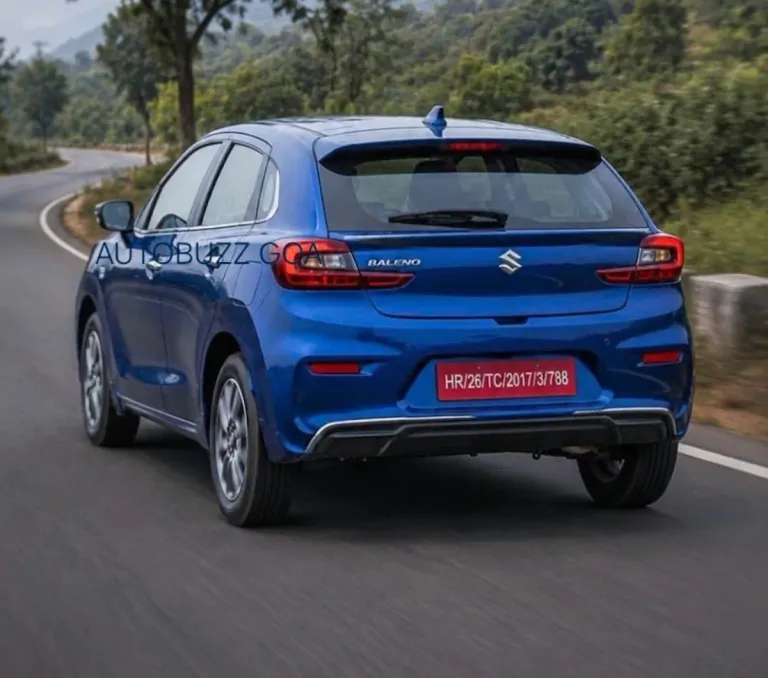
The facelift is expected to come with notable design changes. It is likely to get a revised grille, tweaked headlamps, new bumpers, new wheels and more. The tail lamps are likely to stay the same as those of the outgoing model.
The interior may get notable design revisions. The hatchback will gain features like level 1 ADAS (that includes features like rear cross-traffic alert (RCTA), blind spot warning and more), ventilated seats, wireless charger, and a larger 10.1-inch touchscreen infotainment system with wireless Apple Carplay and Android Auto instead of the 9-inch unit on the outgoing model. Features like the ADAS are likely to be kept exclusive to the top trims. Most of the other features of the outgoing model will be carried over.
The new Baleno will also have a CNG version on offer. Interestingly, this time, there will be an AMT gearbox option available with the CNG. Previously, the CNG version could only be had with a manual transmission.
In the Indian market, the Baleno competes with models like the Hyundai i20 (which is now only available with petrol engines) and the Tata Altroz (that offers multiple powertrain choices).