
Maruti dispatched 16,911 Ertigas in September 2026. Toyota’s Innova Crysta and Hycross together managed 8,008, while the Kia Carens and Carens Clavis family added another 6,319. Even combined, the Toyota and Kia nameplates finished 2,584 units behind the Ertiga.
The result is striking because both rival families offer more power, more features and, in the Innova’s case, substantially more space. But they also cost considerably more. Ertiga sales were up 39.6 percent year on year in September. Innova volumes fell 18.1 percent, while Carens and Clavis were down 13.9 percent. That makes affordability and ownership cost difficult to ignore.
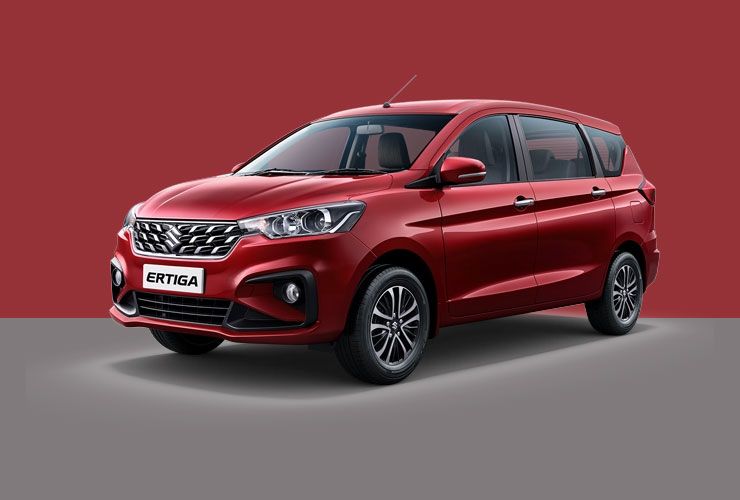
The Ertiga starts at Rs 8.90 lakh ex-showroom and tops out at Rs 13.04 lakh. Its VXi CNG is around Rs 12.8 lakh on-road in Delhi.
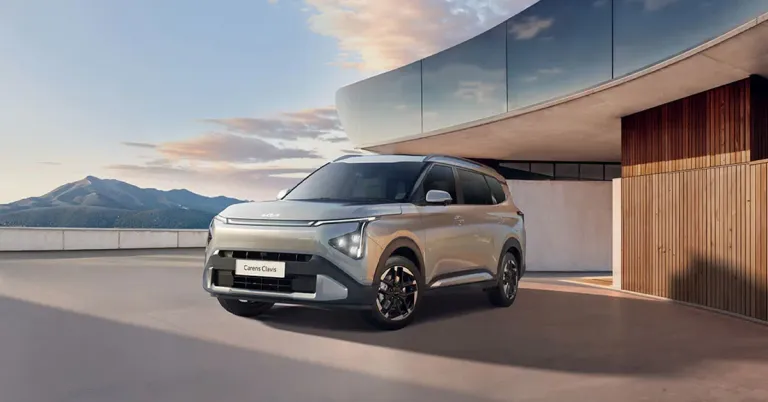
The Carens Clavis starts at roughly Rs 11.27 lakh ex-showroom, or about Rs 13 lakh on-road in Delhi for the basic petrol manual. Higher Clavis variants with the features most private buyers want move well beyond Rs 16 lakh.
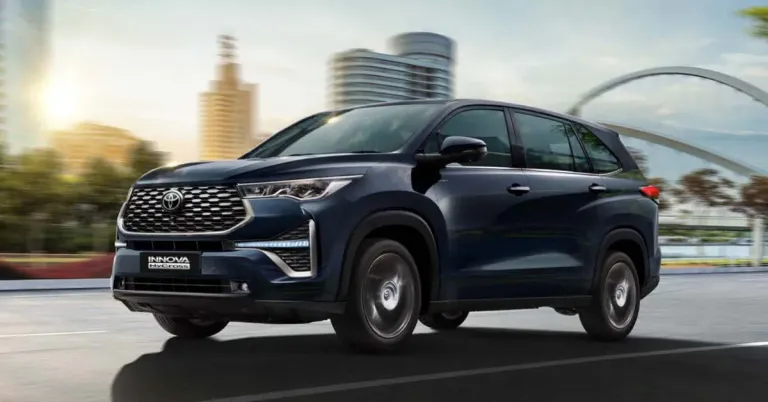
The Innova Hycross starts at Rs 18.70 lakh ex-showroom. A GX petrol seven-seater is around Rs 22.8 lakh on-road in Delhi. The Innova Crysta starts at Rs 19.72 lakh ex-showroom. So an Ertiga buyer is not usually choosing between three similarly priced cars. The Toyota can cost roughly Rs 10 lakh more before finance costs are considered.
Take a simple five-year example: 12,000km a year, or 60,000km total. Using Delhi prices of Rs 102.12 per litre for petrol and Rs 86.98 per kg for CNG, and official efficiency figures, the difference becomes clear.
At 26.11 Km/kg, an Ertiga CNG needs roughly Rs 2 lakh of CNG over 60,000km. A 1.5 petrol Carens Clavis at 15.34 kmpl needs about Rs 4 lakh of petrol. A petrol Hycross at 16.3kmpl needs roughly Rs 3.76 lakh.
Add those fuel bills to representative Delhi on-road prices and the simple purchase-plus-fuel outlay is about Rs 14.8 lakh for an Ertiga VXi CNG, Rs 17 lakh for an entry Clavis petrol and Rs 26.5 lakh for a Hycross GX petrol.
That excludes finance, insurance renewals, servicing and resale, but it shows why the Ertiga remains so difficult to dislodge. Kia has now added CNG to the Clavis too, with a claimed 25km/kg, so Maruti no longer has that fuel type to itself. But the Kia CNG still starts higher.
The Ertiga’s compromises are obvious. With all three rows up it has 209 litres of boot space, and the CNG cylinder reduces usable luggage room further. The Carens Clavis has 216 litres with all rows in use, but its third row is more adult-friendly and higher trims offer features such as ventilated seats, panoramic sunroof, 360-degree camera and Level 2 ADAS.
The Hycross is another step up. It has around 300 litres of boot space with all rows raised, much more cabin width and a stronger 2.0-litre petrol or strong-hybrid powertrain. Its comfort over long distances is also in a different class. Automatic buyers also get more choice in Kia and Toyota, while Ertiga CNG remains manual-only.
For families who need seven seats, acceptable luggage space, low fuel bills and an easy-to-service car without spending Rs 15-25 lakh, the Ertiga still occupies a price band its more sophisticated rivals cannot fully match.