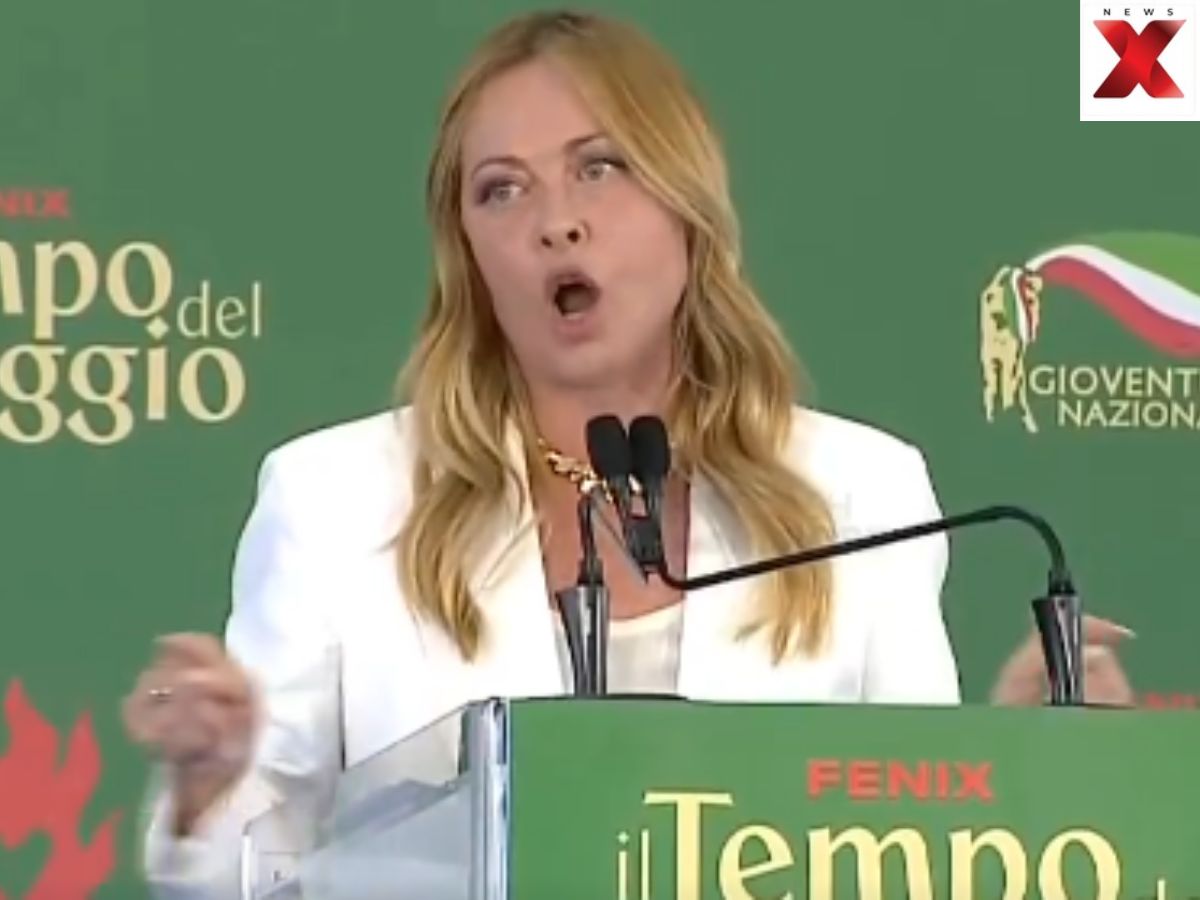
Italy has approved a controversial education reform that will prevent students from attending school activities with their faces covered, including those wearing burqas and niqabs. The new law allows fines of up to €1,000 (approximately US$1,100) for violations, with parents or legal guardians held responsible if the student is a minor. The legislation also introduces a 30 per cent cap on foreign-origin students in first-year classes and Italian language courses for foreign parents, triggering criticism from opposition parties over alleged discrimination against Muslim students and foreign families.
Italy Parliament approves face-covering restrictions in schools
As per reports, the Chamber of Deputies gave final approval to the legislation on November 26, with 142 MPs voting in favour, 112 against and four abstaining. The Senate had cleared the decree on November 20, completing its passage through both houses of Parliament.
Introduced by Prime Minister Giorgia Meloni’s government, the reform is part of a wider effort to ensure the regular start of the 2026-2027 academic year, support measures under the National Recovery and Resilience Plan (PNRR) and improve the integration of foreign students.
Italy’s burqa and niqab restrictions cover all face coverings
Although widely described as a ban on burqas and niqabs, the law uses broader language. It prohibits students from taking part in curricular and extracurricular school activities with their faces covered or concealed in a way that prevents their identification.
Reportedly, the restriction will particularly affect Muslim female students wearing these garments. A burqa covers the entire body and face, including the eyes behind a mesh screen, while a niqab covers the face but leaves the eyes visible. Both make ordinary identification by teachers and school staff difficult.
Violations can attract fines of up to €1,000. If the student is a minor, the responsibility for paying the penalty rests with their parents or legal guardians.
Italy introduces 30% foreign student cap in first-year classes
The reform also limits students of foreign origin to 30 per cent of first-year classes. However, the restriction will not apply to students who already have an adequate knowledge of Italian.
The government has additionally included Italian language courses for foreign parents as part of its integration measures.
Italy faces opposition over education reform
The legislation faced strong criticism during the final parliamentary vote. According to reports, opposition MPs protested inside the Chamber of Deputies by displaying a sign that read, “At school nobody is a foreigner”.
Opposition parties accused the Meloni government of promoting discrimination against Muslim students and foreign families. They argued that the reform does little to address the actual challenges facing Italy’s education system and could instead create divisions among students.
Also Read: Watch Video: ‘Lured Children Outside House’; Self-Styled Godman Unleashes A Snake On Woman After They Confront Him
Khalid Lateef is a Sub-Editor at NewsX Digital, specializing in Indian politics and global affairs. He also covers viral trending stories and major crime developments.
The post Meloni Govt Bans Burqas And Niqabs In Schools, Caps Foreign Students At 30%: Fines Of Up To €1,000 – Why Has Italy Introduced These Rules? appeared first on NewsX.