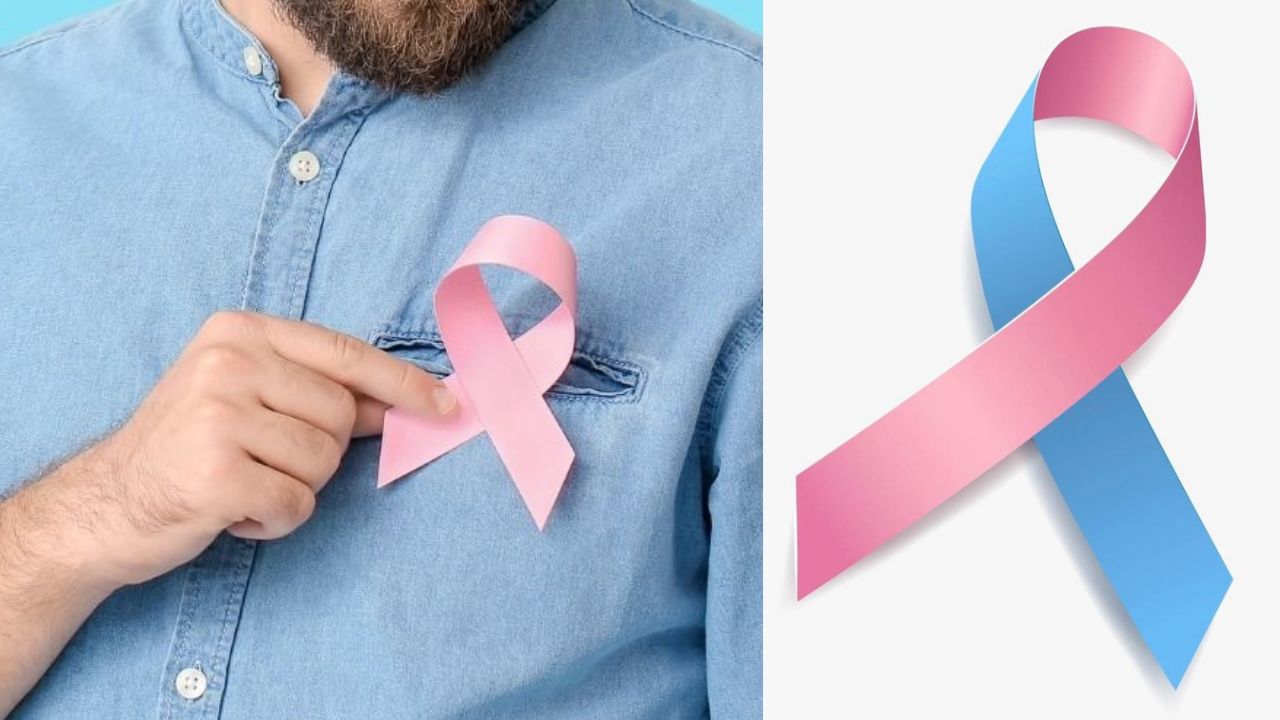
New Delhi: Breast cancer is widely perceived as a disease that predominantly affects women, leaving many men unaware that they, too, can develop the condition. This lack of awareness can lead to delays in seeking medical attention, allowing potentially serious symptoms to go unchecked.
Surgical oncologist Dr Tejas Prakash Vispute, has cautioned that men should not dismiss unusual changes in their chest or breast tissue simply because breast cancer is comparatively rare among them. Men also have breast tissue, and malignant cells can develop in it.
According to the specialist, a lump near the nipple may be the first indication of the disease. However, embarrassment, misconceptions about male breast health and the assumption that the problem is hormonal can prevent individuals from consulting a doctor promptly.
A Lump Near The Nipple Is A Key Warning Sign
One of the most common symptoms of male breast cancer is a firm lump or thickening in the breast tissue, often located close to the nipple. While such a finding does not automatically indicate cancer, a new or persistent lump warrants medical evaluation.
Other changes that require attention include the nipple turning inward, redness or scaling of the surrounding skin, unusual nipple discharge—particularly if it contains blood—and swelling in the armpit.
These symptoms can arise from conditions other than cancer. Nevertheless, medical assessment is important to determine their cause, especially when the changes are unexplained or do not resolve.
Why Men Often Delay Seeking Medical Advice
A major obstacle to early diagnosis is the widespread belief that breast cancer affects only women. Because men may not associate a chest lump with cancer, they can overlook the symptom or wait for it to disappear on its own.
Vispute noted that some men feel uncomfortable discussing changes in their breast tissue or assume that the symptoms are caused by hormonal fluctuations. Such hesitation can delay diagnosis and the start of appropriate treatment.
The oncologist emphasized that breast cancer should not be viewed as a gender-specific illness. Seeking medical advice for an unusual lump or nipple change is a necessary health precaution, not a cause for embarrassment.
Not every lump indicates cancer
Male breast enlargement, medically known as gynecomastia, is a much more common explanation for breast changes in men than cancer. Hormonal variations and other benign conditions can cause swelling or tenderness in the breast tissue.
However, it is not possible to reliably distinguish every benign condition from cancer based on appearance or touch alone. Men who notice a new lump, persistent thickening, nipple inversion, skin changes or abnormal discharge should consult a healthcare professional rather than attempt to diagnose the condition themselves.
A doctor may recommend a clinical examination and, where indicated, imaging or a biopsy to establish the diagnosis.
Early Evaluation Can Make A Difference
Although male breast cancer is uncommon, awareness of its warning signs can help prevent avoidable delays in diagnosis. The disease can occur at different ages, although it is more frequently diagnosed in older men.
The outlook depends on several factors, including the stage at which the cancer is detected and its biological characteristics. Many male breast cancers are hormone-receptor-positive, meaning they may respond to hormone-based treatment. The appropriate treatment plan depends on the individual diagnosis and may involve surgery and other cancer therapies.
The central message from specialists is that an unusual or persistent change in the breast or chest area should not be ignored because of assumptions about who can develop the disease. Prompt medical assessment offers the best way to establish the cause and determine whether treatment is necessary.