
Modi Cabinet Greenlights Amendments Featuring 10-Year Jail Terms And ₹10 Crore Fines To Combat Exam Fraud:

In a decisive move to restore faith in national competitive examinations amid widespread NEET paper leak protests, the Union Cabinet chaired by Prime Minister Narendra Modi has officially approved the proposed Paper Leak Amendment Bill. Aimed at further tightening the legal teeth of the Public Examinations (Prevention of Unfair Means) Act, 2024, the enhanced legislation is scheduled for formal introduction in Parliament during the upcoming week of the monsoon session. Designed specifically to dismantle organized paper leak syndicates and mafia networks, the amended provisions introduce draconian penalties including rigorous imprisonment up to 10 years along with severe financial penalties scaling up to ₹10 crore for offenders.
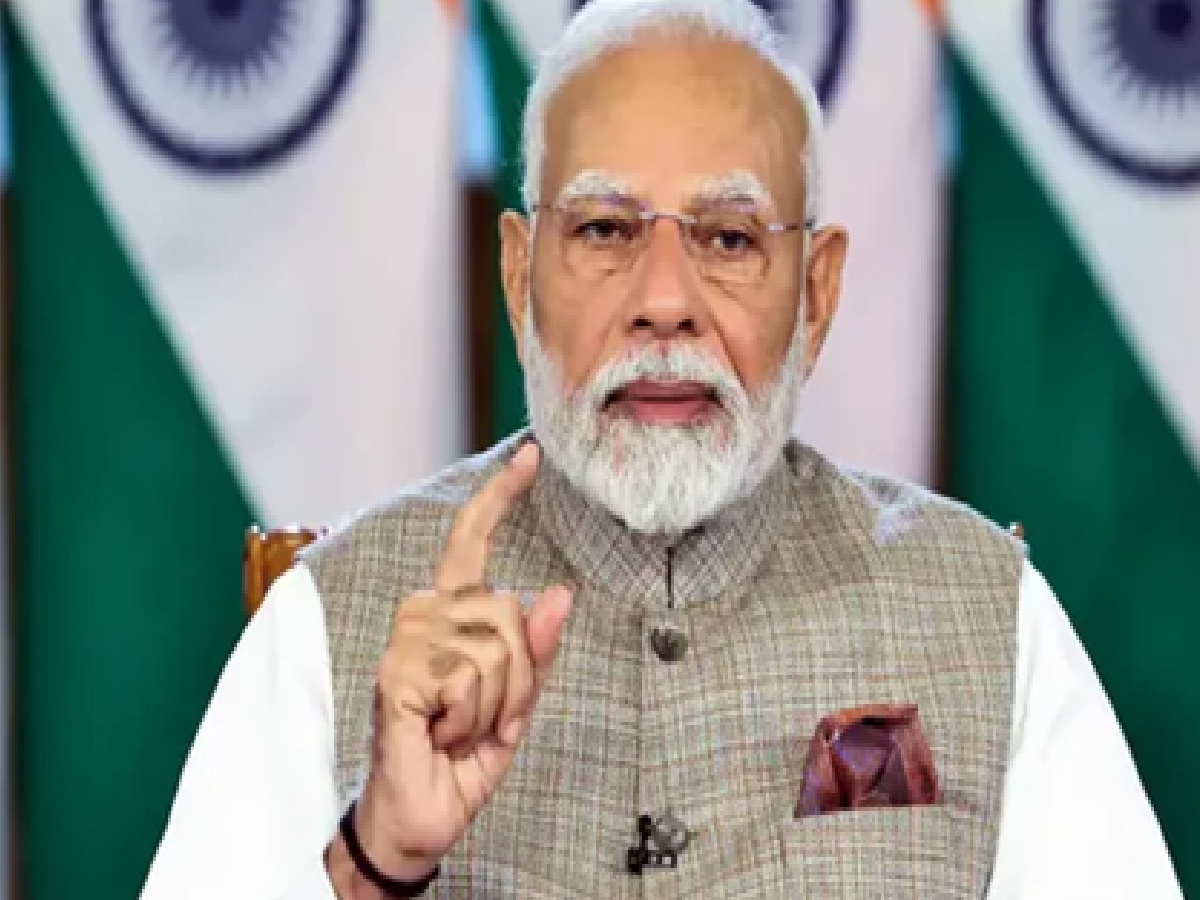
PM Modi Addresses Student Community, Assures Fast-Track Justice Within 3 Months
Addressing the nation’s youth in a midnight video message released on Twitter, Prime Minister Narendra Modi emphasized that examination leaks are far from minor offenses, acknowledging the intense distress they cause to millions of hard-working aspirants and their families. Highlighting the government’s swift remedial actions over the past two and a half months, the Prime Minister revealed that key perpetrators have already been apprehended and jailed. He reassured students that timely measures ensured 2.2 million candidates could re-appear for examinations, with results successfully declared on July 19. Furthermore, the newly introduced legal framework mandates dedicated fast-track courts to conclude trials and pronounce final judgments in paper leak cases within a strict three-month timeline.
Protests Escalate At Jantar Mantar Demand Education Minister’s Resignation And Student Compensation
Despite the executive countermeasures, political and civic unrest remains high across the national capital. Organizations including the Central Junior Doctors / Students Body (CJP) continue their persistent agitation at Jantar Mantar, demanding the immediate resignation of Union Education Minister Dharmendra Pradhan, systemic administrative overhauls, and ₹1 crore compensation for families of students who tragically died by suicide following the May NEET-UG irregularities. Joining the chorus for educational transparency, prominent climate activist Sonam Wangchuk has embarked on a 26-day hunger strike. Simultaneously, the Central Bureau of Investigation (CBI) continues its multi-state crackdown, having arrested 13 key suspects so far as parliamentary sessions face repeated disruptions over the issue.
Existing Legal Framework Vs Proposed Amending Measures Comparison
The nationwide legal landscape currently relies on the Public Examinations (Prevention of Unfair Means) Act, 2024, which received Presidential assent on February 12, 2024, and came into force on June 21, 2024. While the base law currently penalizes paper leaks with 3 to 5 years of imprisonment alongside fines up to ₹10 lakh—and imposes 5 to 10 years in prison with ₹1 crore fines for organized gangs—the proposed amendments significantly raise the financial and custodial stakes. Under current provisions, service testing agencies found guilty face a ₹1 crore penalty, full examination cost recovery, and a four-year operational ban. The newly approved cabinet amendment seeks to further amplify these deterrence metrics to permanently eradicate malpractices from India’s competitive testing ecosystem.

Comments are closed.