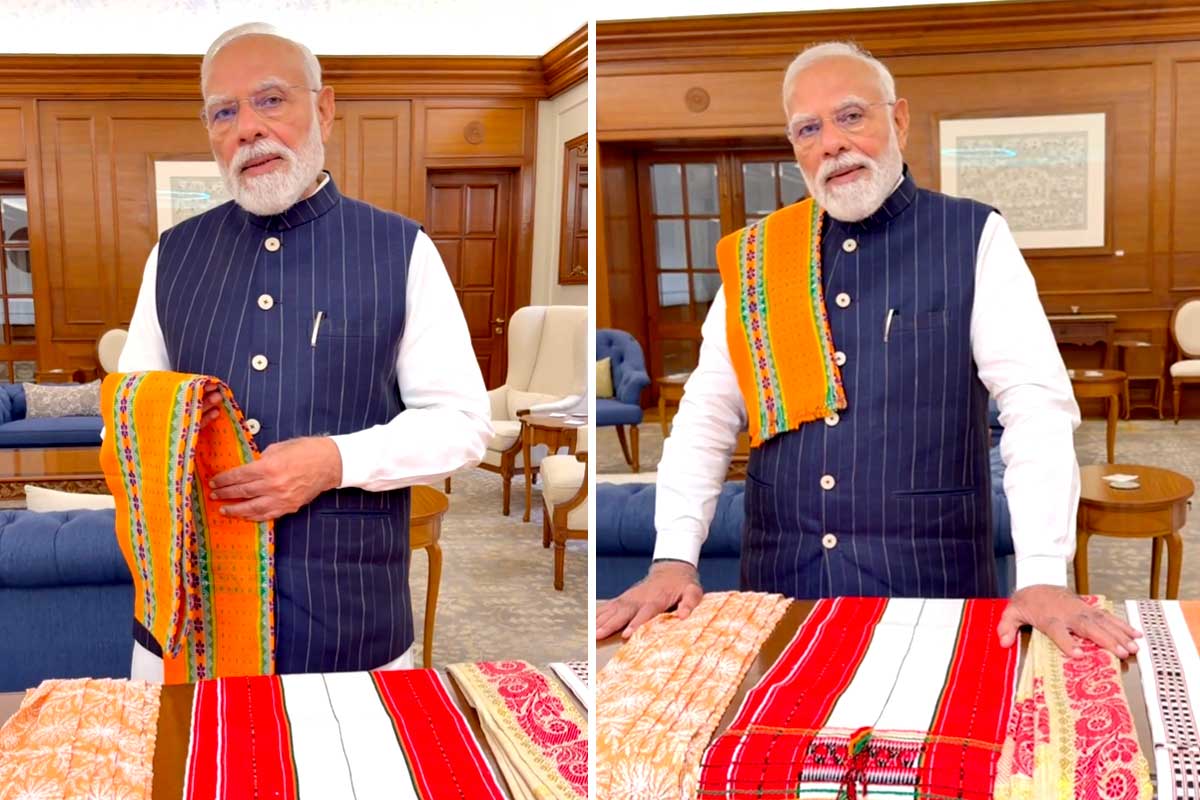
In the colorful light of the digital world, there is a lot of excitement about ‘Getting Ready with Me’. Videos of people dressing themselves in new clothes while standing in front of a mirror are shaking social media. This time, India’s ancient weaving industry has joined the trend of that netpara. In the historical context of August 7, Prime Minister Narendra Modi’s message is clear – the unique form of indigenous weaving must be presented on the world stage in a new way. With this call, handloom has become the most progressive fashion statement, going beyond traditional attire.
The historic Swadeshi movement began on August 7, 1905. That mantra of self-reliance is equally relevant today. The main goal now is to make Swadeshi clothing a place in the era of modern reels or shorts. This attempt to bring back the pull of Indian yarn in the crowd of foreign clothing is bringing a new tide to the fashion world.
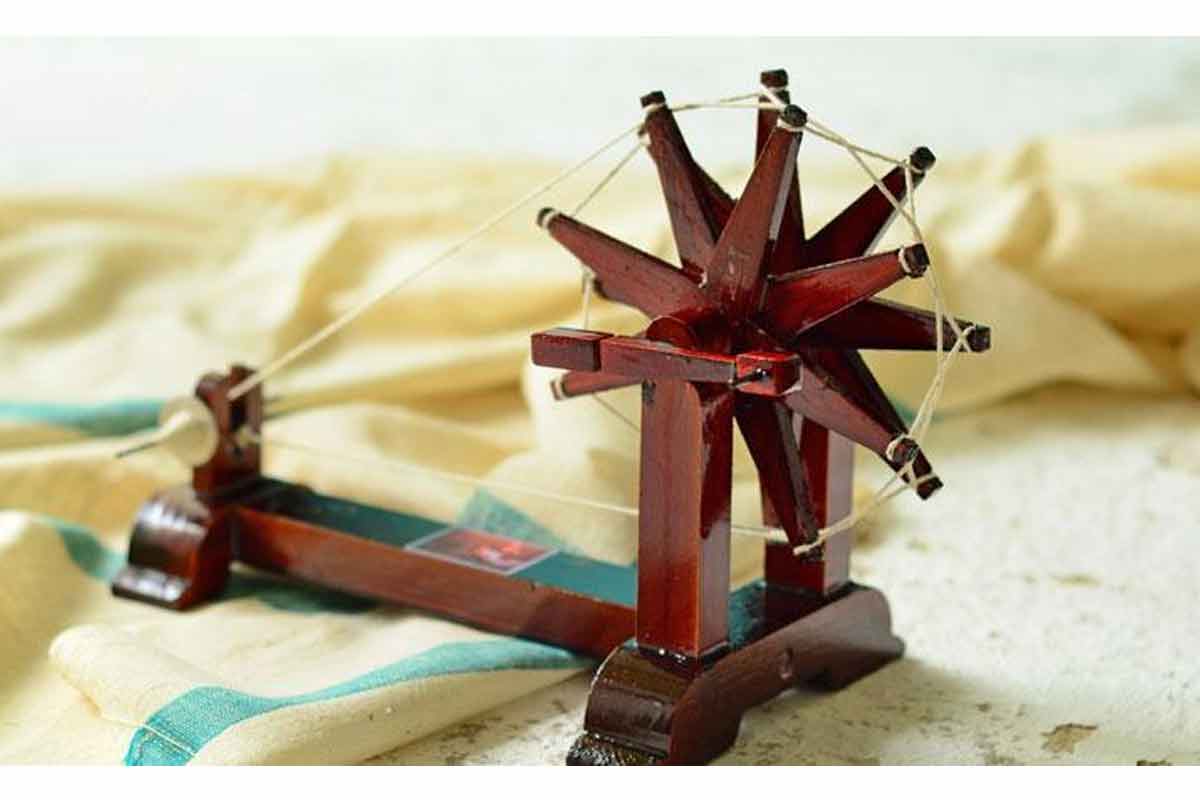
Every part of India has its own weaving art. Here is a collection of the best 7 weaving arts that are a blend of Indian fashion.
Khadi: From a symbol of the freedom struggle to an extremely fashionable garment today. Comfort and elegance – the best combination of both.
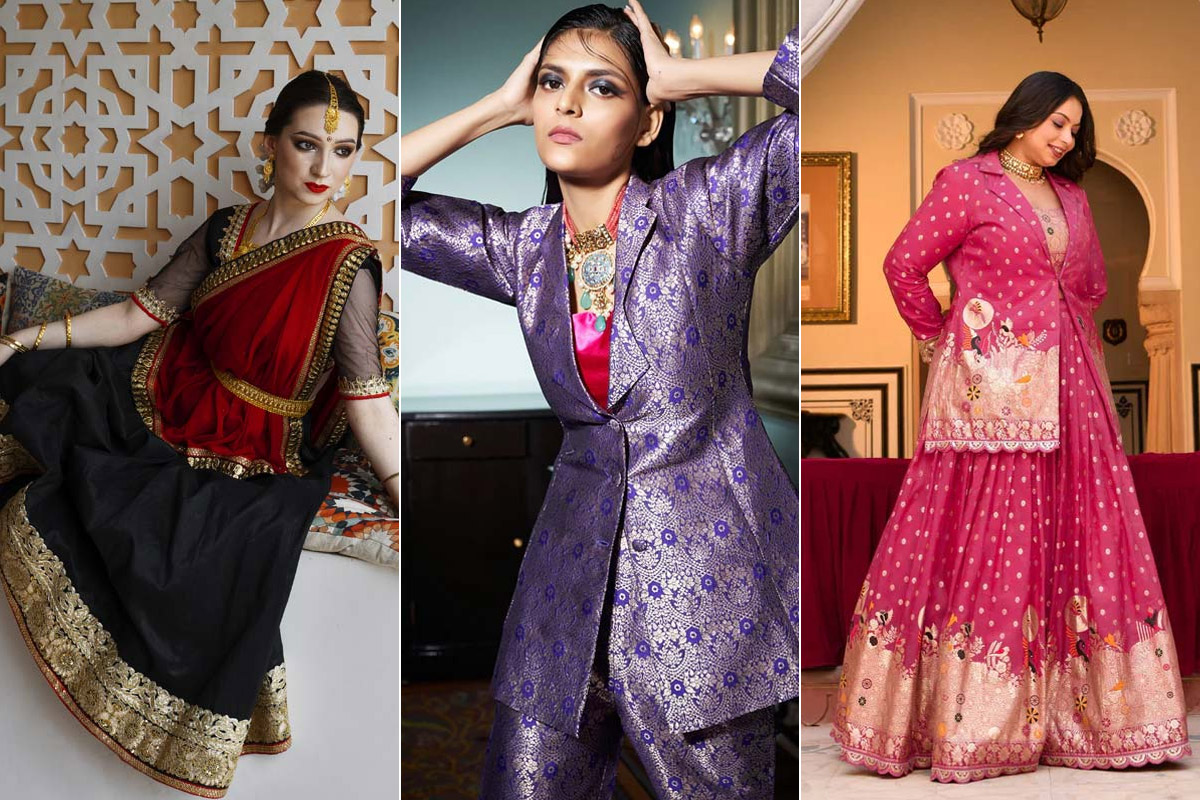
Benares: The magic of gold and silver jewellery and silk thread of Benares. Its appearance is unparalleled on special occasions.
Pashmina: The soft, velvety warmth of Kashmir. It’s the ultimate shawl or garment for cold days.
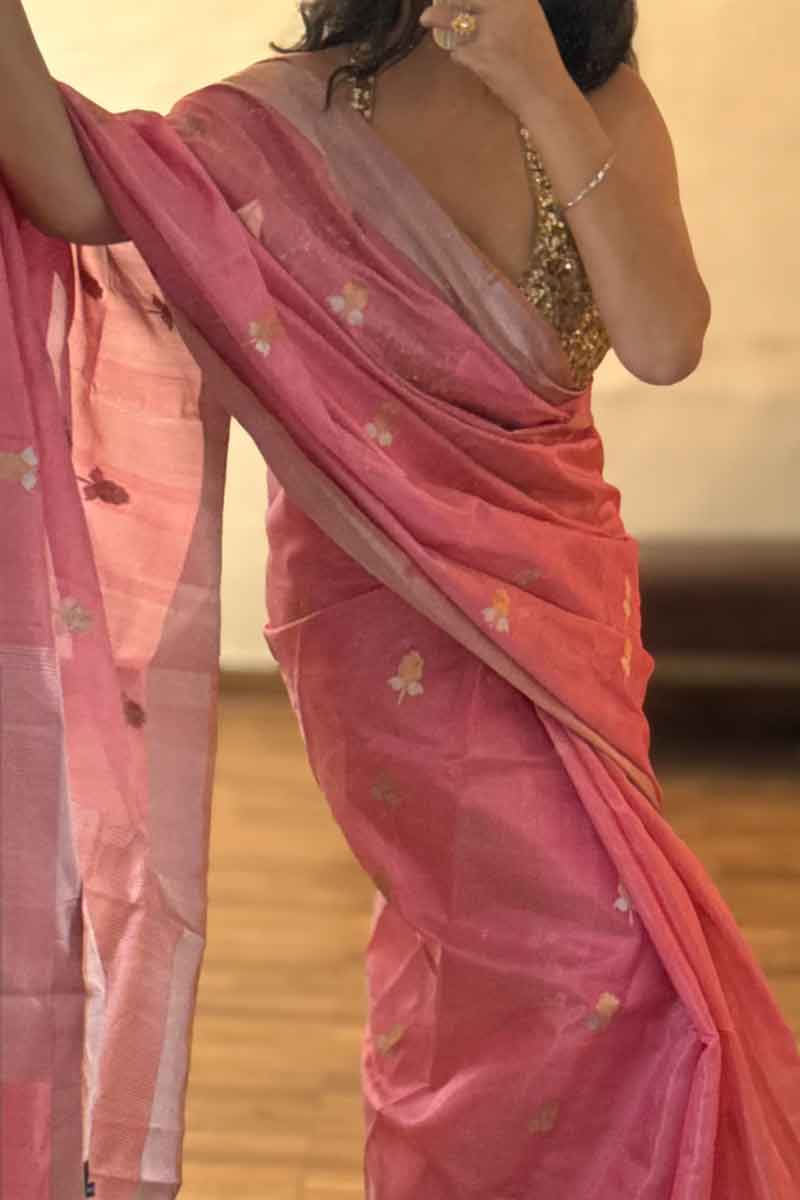
Chanderi: A light, shimmering and smooth weave from Madhya Pradesh. It has its own royal touch to the festive attire.
Bengali cotton loom: The weaving of Bengal’s own yarn. A wonderful example of comfort and timeless form in humid weather.
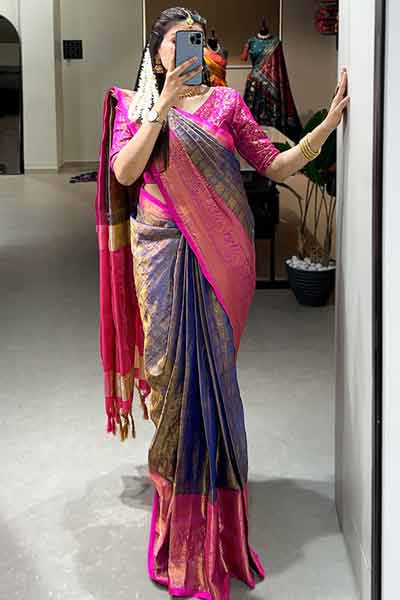
Kanjivaram: A South Indian weave of bright colors and thick silk. This loom is the ultimate in elegance.
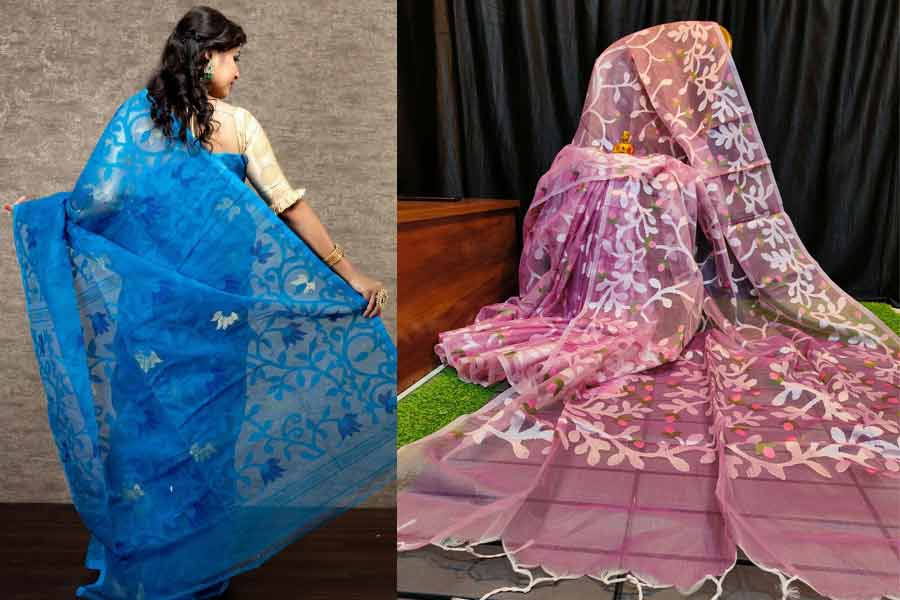
Jamdani: Floating in the air is like a designer’s dream. This delicate weave on sheer threads is admired all over the world.
Tomorrow, 7th August is National Handloom Day. Let’s make India’s handloom diversity popular.
Share your videos with your favourite handloom products, including GRWM videos on social media.
Don’t forget to use #NationalHandloomDay. pic.twitter.com/zoFdTXphRL
— Narendra Modi (@narendramodi) August 6, 2026
This fashion is not limited to just showing off one’s clothes. It also involves the struggle of marginal weavers to make a living. Buying a handloom garment means putting a smile on the face of a poor weaver in rural Bengal. The more the younger generation chooses indigenous weaving, the stronger the rural economy will be.