
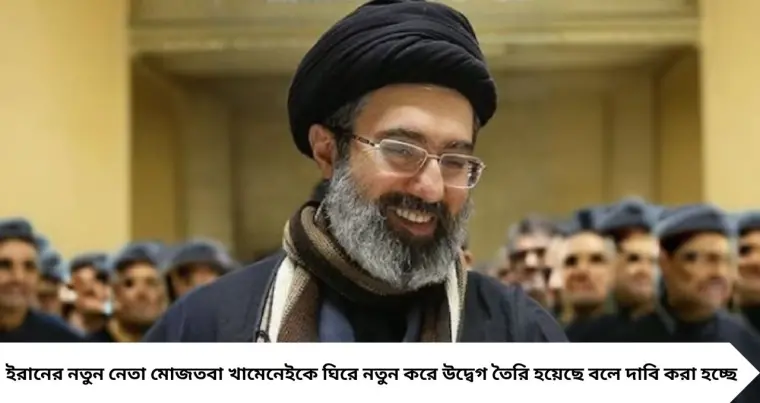

There is renewed concern in the international community around the new supreme leader of Iran, Mojtaba Khamenei. A report claiming to be an assessment by US intelligence agencies has indicated that Iran’s new leadership may decide to further advance its nuclear program in the future. However, Mojtaba Khamenei himself has not publicly taken a position in favor of nuclear weapons. According to reports, his father, Ayatollah Ali Khamenei, has opposed Iran’s nuclear weapons development in the past. But US intelligence is said to be concerned about the attitude of the extremist group led by Mojtaba.
Is Mojtaba more interested than father?
Reports citing US intelligence sources claim that Mojtaba Khamenei may be more interested in the nuclear weapons program than his father. But this claim also raises an important issue—most of the information US intelligence has about Mojtabar’s current location dates back to before the most recent conflict. That is, it remains unclear whether his thinking or plans have changed since the conflict. As a result, the intelligence assessment is not seen as a definitive decision.
Iran-US tensions may increase?
If U.S. intelligence fears come true, tensions between Iran and the U.S. could intensify. If Tehran moves to increase its nuclear capabilities in the future after the recent conflict, it could have implications for the Middle East as well as the international security situation.
However, there is currently no confirmation that Iran has resumed uranium enrichment or a nuclear weapons program. Rather, US officials claim that preparations are being made to protect the nuclear infrastructure and retain capabilities for the future.
Active Tehran to protect nuclear facilities?
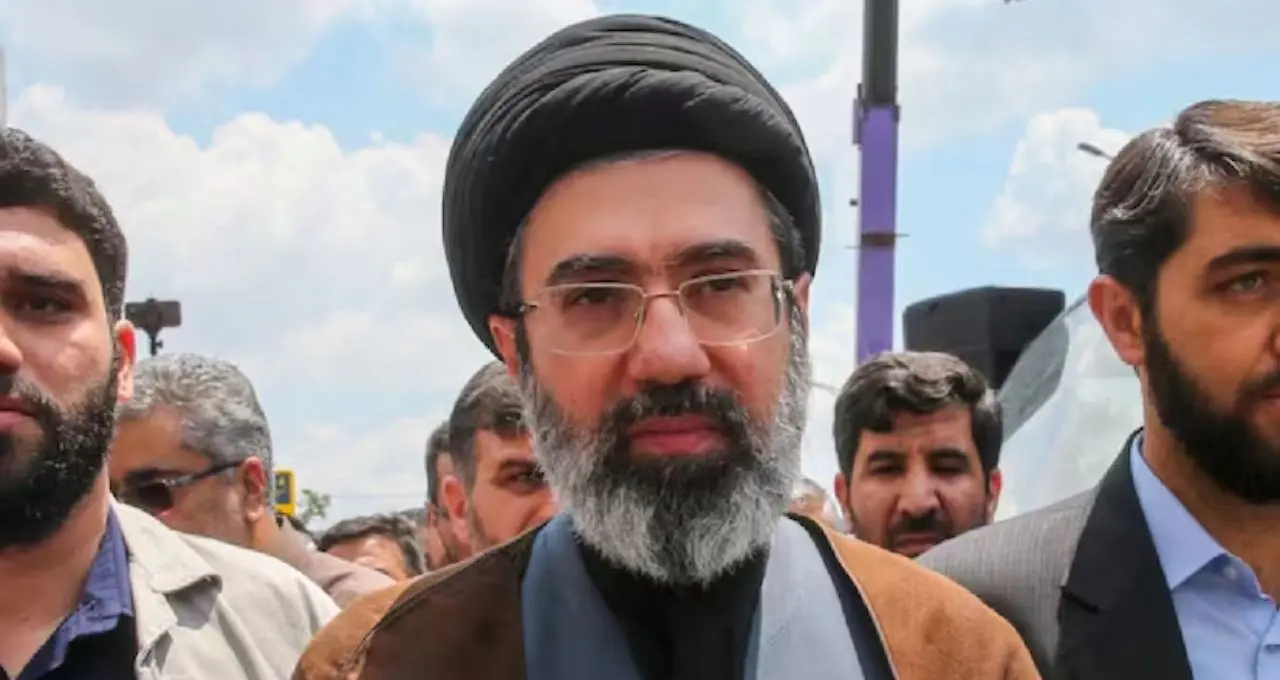
According to the report, after the US attack, Iran looked to increase the security of its nuclear facilities. US officials also claim that attempts have been made to remove some centrifuges from a highly secure underground complex in central Iran. Mojtaba Khamenei himself has limited contact with other Iranian officials for fear of possible airstrikes, the report said.
 Why talk about ‘Pickaxe Mountain’?
US officials claim some of Iran’s remaining centrifuges have been moved to the heavily secured underground ‘Pickaxe Mountain’ complex. As a result of this move, it is feared that in the future Iran could re-use its uranium enrichment capability if it so desired.
However, there is no conclusive evidence that Iran is currently actively pursuing a nuclear weapons program, the report said. Rather, concerns have been expressed about the preservation of nuclear infrastructure and preparations for possible reconstruction.
How serious is the demand for thermonuclear warheads?
The report also claims that U.S. officials late in the Biden administration believed that Iran could test the possibility of developing a relatively simple type of nuclear weapon. Later, Mojtaba Khamenei emphasized the development of more advanced thermonuclear warheads that could be carried on long-range missiles—an assessment that was also mentioned.
But such intelligence assessments and claims are extremely difficult to independently verify. Therefore, they should be viewed as fears and assessments by US intelligence agencies rather than as confirmed information.
What may lie ahead?
The direction of Iran’s nuclear policy under the leadership of Mojtaba Khamenei is now under international scrutiny. If Iran decides to reactivate its nuclear program, tensions between the U.S. and Iran could escalate. At the same time, Israel and other countries in the Middle East will also keep a close eye on the situation.
But the most important thing for now is whether Iran is actually moving towards nuclear weapons, or is preserving its nuclear infrastructure to deal with possible future pressures. The answer to this question may become one of the major issues of international diplomacy in the coming days.
 Renewed concerns are being claimed around Iran’s new leader, Mojtaba Khamenei. According to U.S. intelligence agencies, Iran’s hard-line leadership could advance its nuclear program in the future, even if he has not publicly advocated nuclear weapons. But U.S. officials have cautioned that much of the intelligence on Mojtaba’s current location dates back to before the latest conflict.
Comments are closed.