7 practical ways to prevent fungus on walls during the rainy season
1. Improve ventilation throughout the house
Moisture settles quickly in rooms where fresh air cannot circulate. Even during the rainy season, opening windows whenever the weather allows helps indoor air escape. Cross ventilation works particularly well because it keeps air moving instead of allowing dampness to settle on walls. A room that breathes regularly is far less likely to develop fungal patches than one that remains closed for days.
PC: AI Generated
2. Keep furniture slightly away from walls
Large cupboards, beds and sofas are often kept against walls. That narrow space traps moisture because air cannot circulate properly. Over time, fungus may begin growing behind the furniture long before it becomes visible. Pulling furniture a few centimetres away from the wall allows better airflow and makes it easier to notice damp patches before they spread across a larger area.

PC: AI Generated
3. Fix water leaks without delay
A leaking pipe, cracked window frame or damaged roof may seem like a minor problem at first. Yet even a slow drip keeps the surrounding wall constantly damp. Fungus thrives in places that never fully dry. Fixing leaks early prevents moisture from collecting inside walls and reduces the chances of hidden mould developing behind paint or plaster.

PC: AI Generated
4. Reduce moisture in kitchens and bathrooms
Cooking and bathing release large amounts of steam into the air. Without proper ventilation, that moisture settles on nearby walls and ceilings. Running an exhaust fan while cooking or after a shower helps remove humid air before it condenses. Where an exhaust fan is not available, opening a window for a while after these activities can achieve a similar result.

PC: AI Generated
5. Remove condensation before it settles
Water droplets often appear on windows, tiles and painted walls during humid weather. Repeated condensation keeps surfaces damp for hours. Wiping away excess moisture with a dry cloth whenever it appears helps reduce the conditions that encourage fungal growth, especially around windows and outside walls.

PC: AI Generated
6. Clean small mould spots before it spreads
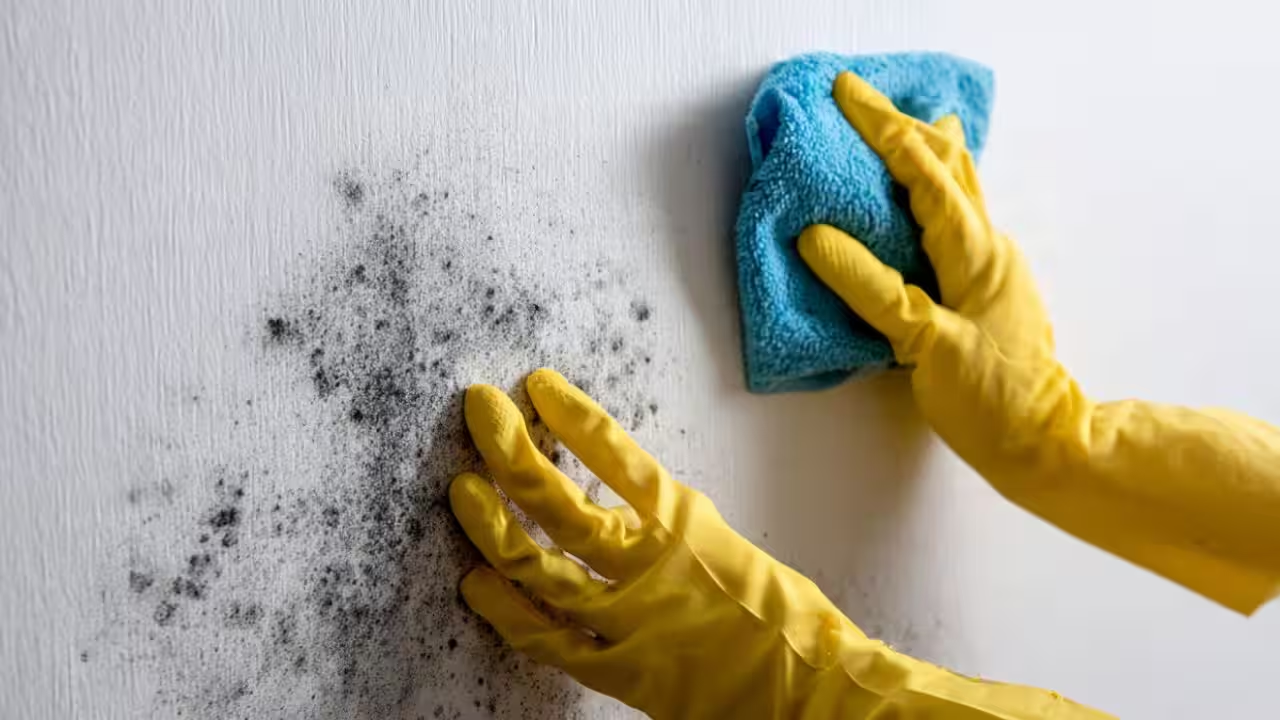
Tiny black marks often appear before widespread fungal growth becomes visible. They should never be ignored. Cleaning them promptly with a suitable mould cleaner designed for painted surfaces prevents spores from spreading further. Early treatment is usually much simpler than trying to remove fungus after it has covered an entire section of wall.
PC: AI Generated
7. Use moisture-resistant paint on vulnerable walls
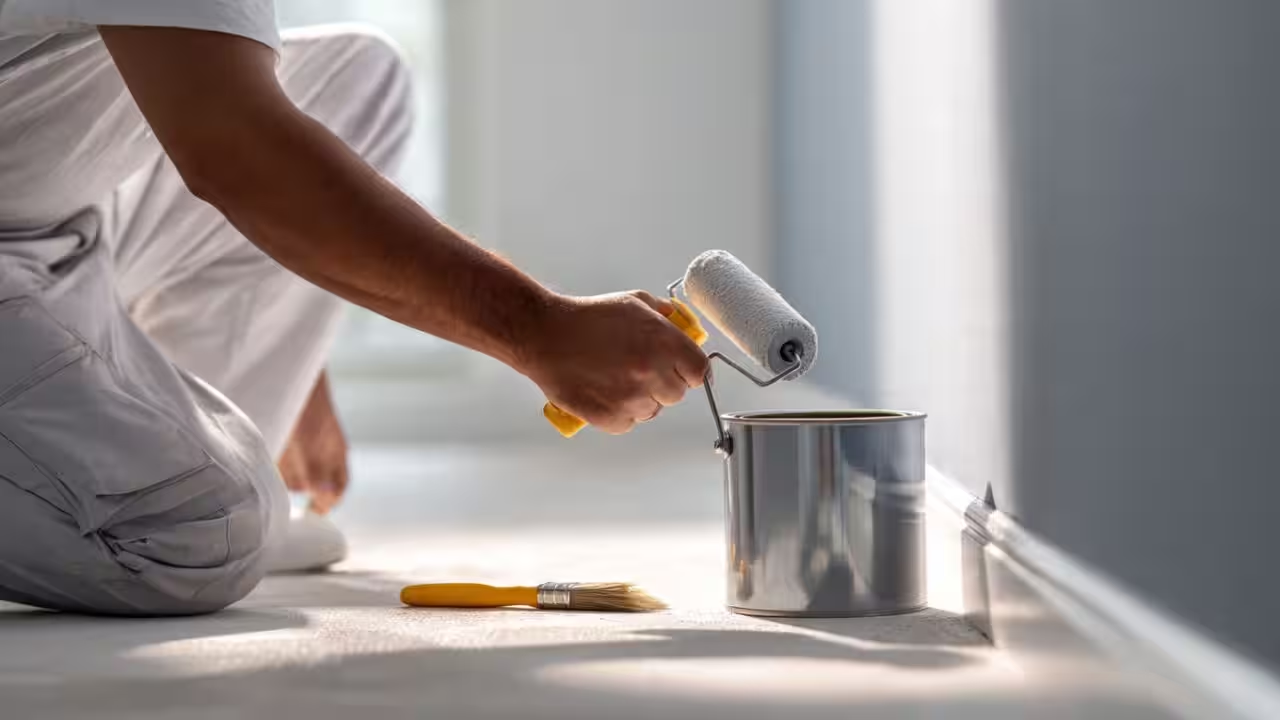
Some walls remain vulnerable because they absorb moisture too easily. When repainting becomes necessary, choosing moisture-resistant or anti-fungal paint provides an additional layer of protection. These coatings cannot prevent fungus on their own, but they make it harder for moisture to penetrate the surface. Combined with good ventilation, they help walls stay cleaner throughout the rainy season.