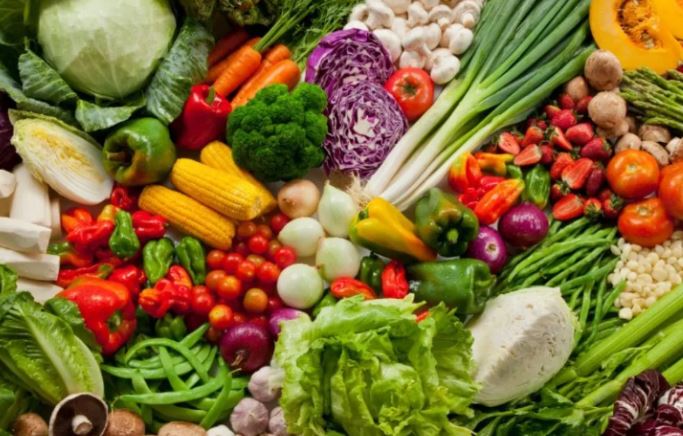
Monsoon vegetables: The rainy season brings relief from the heat, but it also brings with it many diseases and infections. One should avoid eating some vegetables during monsoon (rainy season) because due to excessive moisture in this season, bacteria, fungus and small insects grow very fast. Apart from this, our digestive system (metabolism) also becomes a little sluggish during the rainy season, due to which there is difficulty in digesting heavy food. In this season our digestive power also becomes a little weak.
Read :- Roti Flour: Wheat flour with bran for daily energy, agility will remain intact.
Green leafy vegetables (spinach, fenugreek, bathua, amaranth)
Due to moisture in the leaves of these vegetables, dangerous bacteria like E. coli, fungus and eggs of small insects stick to them, which do not get removed easily even after washing normally. Eating these increases the risk of serious stomach infection, vomiting, diarrhea, and food poisoning.
Cabbage and Cauliflower
Small insects (such as tapeworms or their eggs) and dirt easily hide between the layers and flowers of these vegetables. Eating these in the rain can cause problems like gastric infection, stomach ache and allergy.
don't eat brinjal
It is very common to have insects in brinjal during the rainy season. Brinjals found during monsoon may be rotten from inside or infested with insects. Consuming brinjal with worms can cause skin allergies, stomach upset and acidity problems.
avoid eating mushrooms
Mushrooms grow only in moist places. Due to excessive humidity during the rainy season, the risk of fungus and bacteria doubles. If mushrooms that are not stored properly are eaten during monsoon, it can cause food poisoning and serious infections.