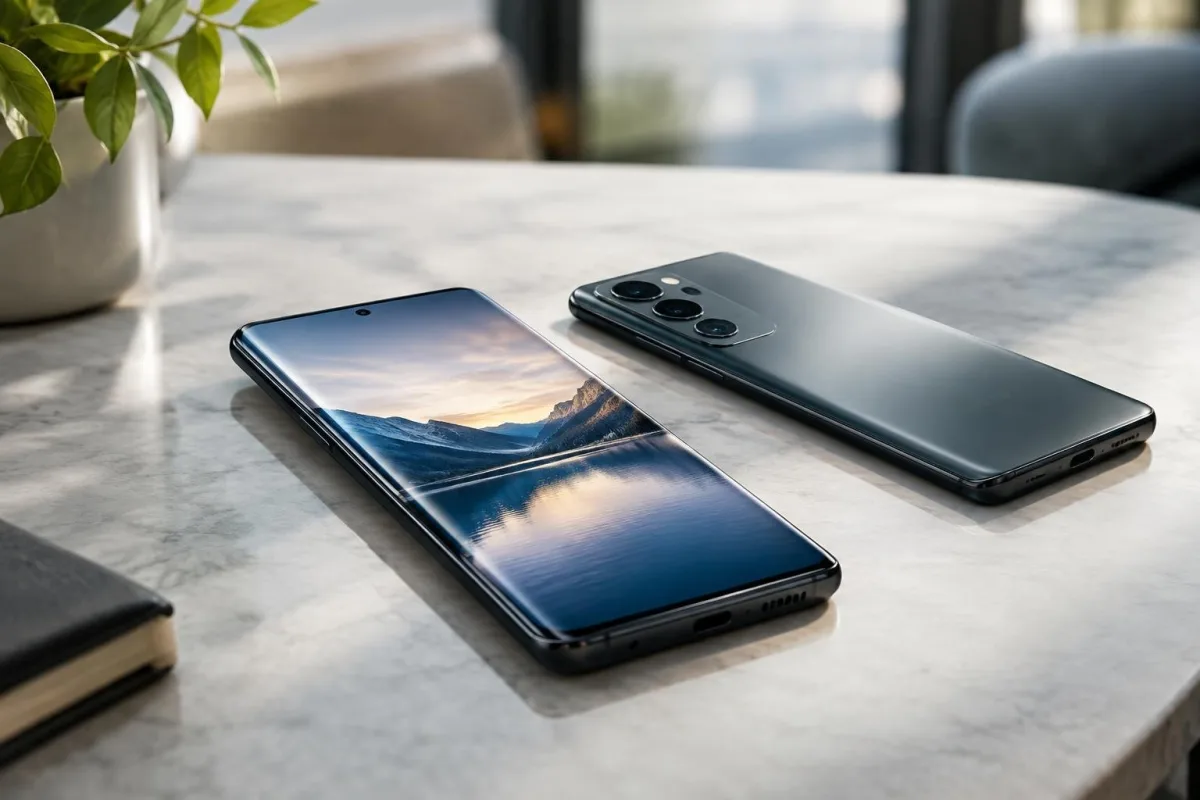
Motorola is pivoting to high-end smartphones and aims for third place in India’s market after a notable rise in its market share.
NOIDA, Nov 28: Motorola is focusing on premium smartphones as it aims to secure the third position in India’s competitive market, currently dominated by Samsung, Vivo, and Oppo. Executives expressed their strategy during a visit to their manufacturing partner’s facility in Noida, Uttar Pradesh.
The company’s recent growth is reflected in its rise to the fifth-largest smartphone brand in India, capturing 8.8% market share in the third quarter of this year, according to IDC. This increase is driven by its premium offerings, including the Edge, Razr, and Signature series, with revenue from these high-end devices up significantly since FY19-20.
Motorola’s upcoming flagship, the Signature 27, will be manufactured at the Noida facility, which, along with another facility in Tirupati, Andhra Pradesh, supports local demand and exports to North and Latin America. This expansion has created direct employment for around 8,000 people and over 56,000 indirect jobs.
The company has established a broad service network, covering 716 PIN codes across 620 cities in India, backed by 846 service points and 685 dedicated repair centers. To enhance user experience, Motorola is investing in artificial intelligence, collaborating with Google to integrate Gemini Intelligence into the Signature 27.
In terms of specifications, the Signature 27 promises advanced features typical of flagship models. It is powered by the Snapdragon 8 Elite Extreme Gen 6 chipset, with options for 12GB RAM and up to 512GB storage. Its camera system includes a 200MP periscope zoom lens, among others.
Pricing details for the Signature 27 vary significantly across Europe, listed between €1,399 and €1,899 depending on the region and features. Pre-orders are available, accompanied by promotional offers such as a free Bluetooth speaker.
Motorola has committed to seven years of software support for the Signature 27, a promise that remains to be fully evaluated. As the brand transitions to the premium segment, it rests on the success of this device and the execution of its broader strategy.