-
66% CAGR growth in redevelopment projects in Mumbai.
-
Redevelopment increased the demand for rental housing.
-
Improvement in the rental yield of landlords.
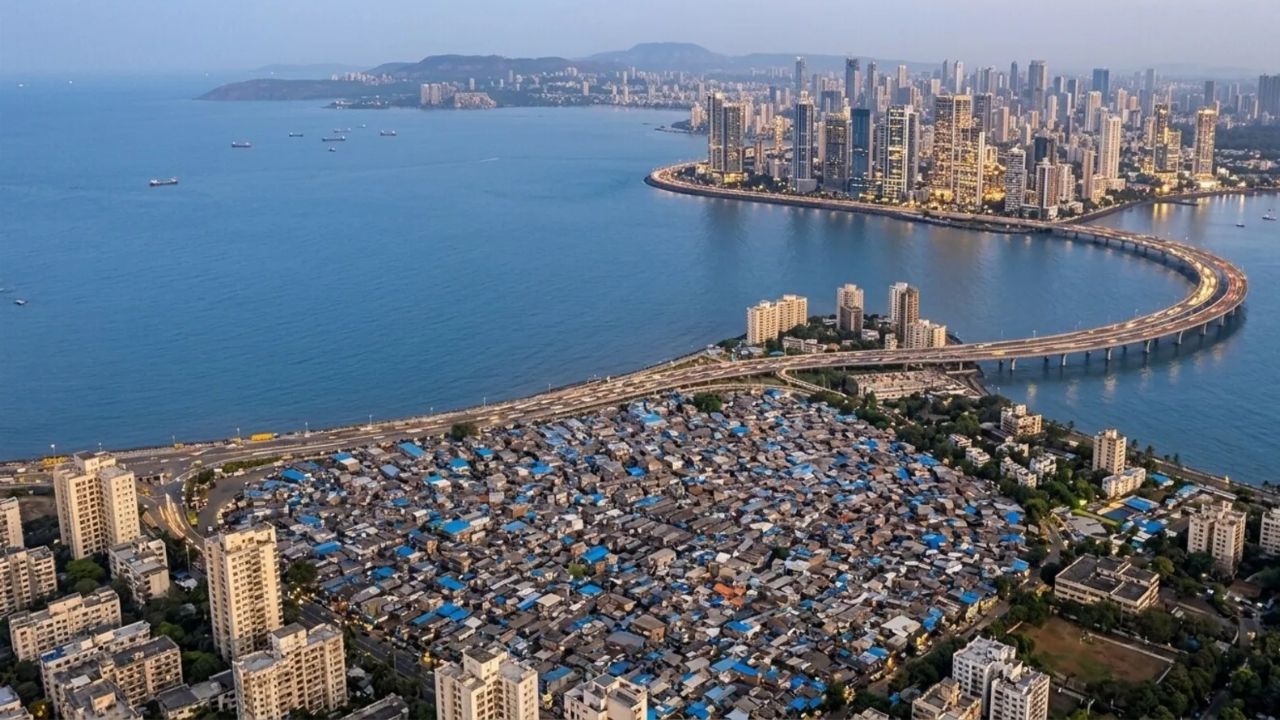
MumbaiThe wave of redevelopment in India has not been limited to new towers replacing old buildings. This is creating a consistent demand for rental housing across the city, helping to increase housing rents and improving rental returns for landlords as well as investors. Mumbai Redevelopment:
Increasing redevelopment of old buildings
In the last few years of redevelopment The works have gained significant momentum. A CAGR of approximately 66 per cent has been recorded in the number of projects over the last five years, reflecting the increasing redevelopment of old buildings across Mumbai. More and more societies are turning to redevelopment, with residents of societies looking for rental housing close to their current neighbourhoods, schools, workplaces and social circles. This is putting pressure on the local rental market. This effect is particularly pronounced in established residential areas where the amount of available housing is limited.
India Transport Sector: Good day for truck traffic! Increase in sales of bikes, cars and construction equipment
A characteristic of Mumbai's redevelopment journey is that a large part of this rent demand is being borne by the developers themselves. In many projects, displaced residents are paid temporary rent by developers until redevelopment is completed. This allows these households to remain active consumers in the rental market for long periods of time, often for several years.
Keen to opt for redevelopment
This trend gained more momentum after the pandemic (post-Corona pandemic), where there was a major shift in housing preferences. Larger homes, better build quality, improved amenities and an overall better living experience became important to many families. Citizens living in old buildings became eager to opt for redevelopment if they could move to new and better homes in the same area. During the transition period many prefer to rent relatively new homes, which are generally more expensive than older construction.
MCX H1 FY27 Results: Strong performance of MCX! Strong performance in first half of FY27
Redevelopment is impacting both the rental and ownership markets as Mumbai replaces old buildings with new buildings,” said Nakul Saxena, Business Head – Mortgages, Kotak Mahindra Bank. Nakul Saxena, Head of Home Loans, Kotak Mahindra Bank said “Apart from improving housing quality, this shift is also improving the economics of residential real estate. Rising rents and better rental yields are making residential property attractive not only to occupiers, but also to investors looking for stable and long-term returns.”
Affected by redevelopment compared to many migrant tenants
Mumbai's rental market has traditionally depended on migration and employment growth. Now redevelopment is emerging as another important factor. Compared to many migrant renters who move frequently, families affected by redevelopment tend to rent in the same place for several years until their new homes are ready. This creates persistent demand and reduces the amount of rental housing available in certain neighborhoods.
Improved rental returns
As a result, demand for rental housing has increased in many parts of Mumbai. A combination of redevelopment and limited supply in some areas has caused house rents to rise at multiples of the general rate of inflation.
Rising rents have improved rental returns for landlords and investors, making residential real estate a more attractive income-generating asset than it was a few years ago. Along with capital appreciation in many local micromarkets, rental income is becoming a very important component of overall residential returns.