
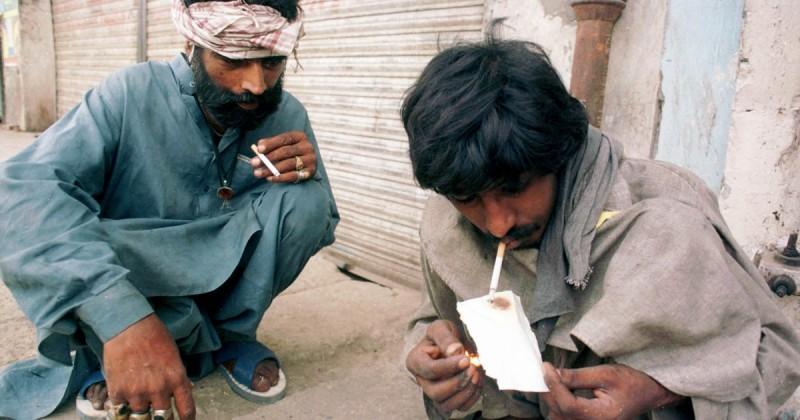

As Lieutenant Governor of Jammu and Kashmir, Manoj Sinha has set a 100-day deadline to free the Union Territory from the menace of drug addiction, which is destroying the younger generation of the region.
Jammu and Kashmir is facing a frightening drug epidemic, with an explosive rise in substance abuse pushing the Union Territory toward what experts describe as a “generational disaster.”
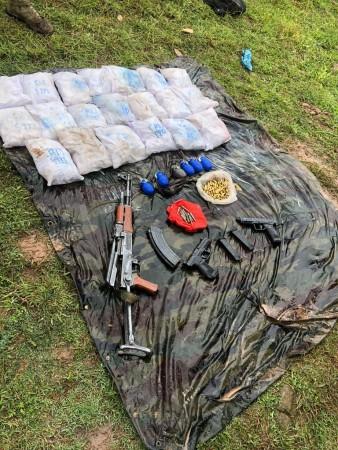
Zorawar Singh Jamwal, who launched an anti-drug campaign in 2014 under the banner of Team Jammu, told the International Business Times that narco-terrorism has gripped the sensitive border region of Jammu and Kashmir, with international drug mafias smuggling narcotics into India through the Line of Control (LoC) and the International Border (IB).
“The drug trade is part of narco-terrorism, which has spread to almost every part of Jammu and Kashmir, and a large number of youths are falling prey to it,” he said.
“This is not simple drug smuggling; it is narco-terrorism, which is more dangerous than other forms of terror. We should not treat it merely as a social menace. It is a grave threat that can completely devastate our younger generation,” said Jamwal, chairman of Team Jammu, a group spearheading a campaign against narco-terrorism.
Parliamentary Panel Presents Shocking Figures
Shocking figures presented by the Parliamentary Standing Committee on Social Justice and Empowerment reveal that more than 13.5 lakh people in Jammu and Kashmir are currently addicted to drugs and other substances, including over 1.68 lakh children between the ages of 10 and 17.
What has set alarm bells ringing across the region is the staggering number of minors addicted to hard drugs. Of these children, nearly 95,000 are reportedly dependent on opioids, among the deadliest and most destructive narcotics. The figures expose the alarming extent to which drug abuse has penetrated schools, neighbourhoods, and even childhood itself in Jammu and Kashmir.
The report paints a deeply disturbing picture of an entire generation slipping into addiction. In addition to opioids, around 46,000 minors are reportedly inhaling toxic substances, while nearly 19,000 are dependent on sedatives. Another 8,000 children are said to be consuming cannabis, with smaller but equally concerning numbers experimenting with cocaine, amphetamine stimulants, and hallucinogens.
Mental health experts, social activists, and doctors describe the situation as a silent emergency unfolding in homes and classrooms across the Union Territory.
“This is no longer just a law-and-order issue. It is a full-scale social and public health crisis,” said a senior counsellor associated with youth rehabilitation programmes in Kashmir. “The most frightening aspect is that children are being exposed to drugs at an alarmingly young age.”
The crisis is not limited to teenagers. The adult population is also battling widespread addiction. According to the data, nearly 11.8 lakh adults between the ages of 18 and 75 in Jammu and Kashmir are substance users. Among them, more than 4.47 lakh are addicted to opioids, while 3.54 lakh consume alcohol regularly. Around 1.51 lakh people are dependent on sedatives, and 1.36 lakh use cannabis.
Authorities and healthcare workers are also witnessing an increasing spread of synthetic and chemically dangerous narcotics, including cocaine, stimulants, and hallucinogens—substances once considered rare in the region but now reportedly making their way into urban and semi-urban areas.
Behind these grim statistics lie thousands of shattered families, rising mental health problems, growing crime, and an increasing number of young lives pushed toward isolation, depression, and self-destruction. Experts warn that unless immediate intervention is undertaken, Jammu and Kashmir could face long-term social deterioration driven by addiction among its youth.
The revelations have intensified demands for a comprehensive drug de-addiction and youth rehabilitation policy tailored specifically for Jammu and Kashmir. Activists and healthcare professionals are calling for the urgent expansion of rehabilitation centres, counselling services, and mental health infrastructure across the region.
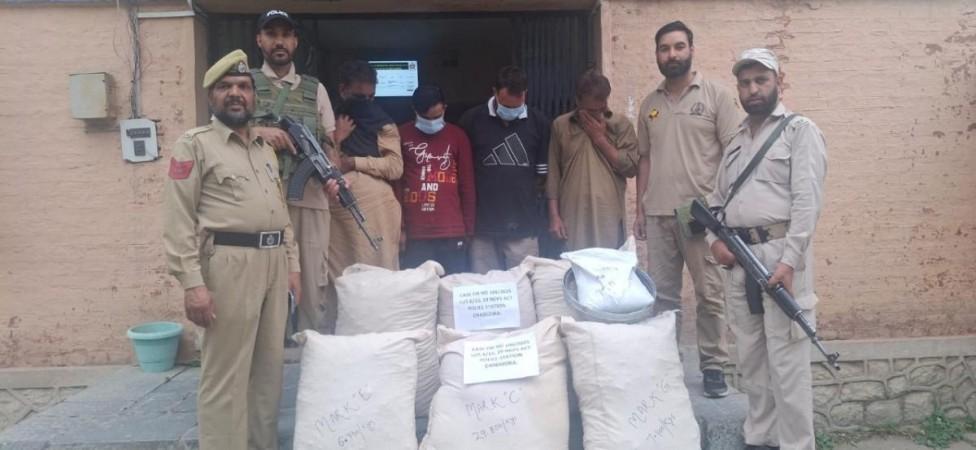
There are also strong demands for introducing anti-drug awareness and psychological intervention programmes in schools and colleges, where experts believe early prevention can have the greatest impact. Calls are growing louder for stricter monitoring of pharmaceutical drug misuse and a crackdown on illegal narcotics networks operating across the Union Territory.
Community leaders argue that the crisis can no longer be ignored or shrouded in silence and stigma. Families dealing with addiction often hesitate to seek help because of fear of social judgement, allowing the problem to worsen behind closed doors.
“The stigma surrounding addiction must end,” another rehabilitation expert said. “Families need support, treatment, and counselling—not blame. If the government delays action any further, we will not only lose individuals but also risk the future of Kashmir itself.”
With nearly 14 lakh people trapped in substance abuse, including a rapidly growing number of children, Jammu and Kashmir is confronting one of the gravest social crises in its recent history. What was once viewed as an emerging problem has now escalated into a full-scale emergency, threatening to consume an entire generation unless urgent and decisive action is taken.

Comments are closed.