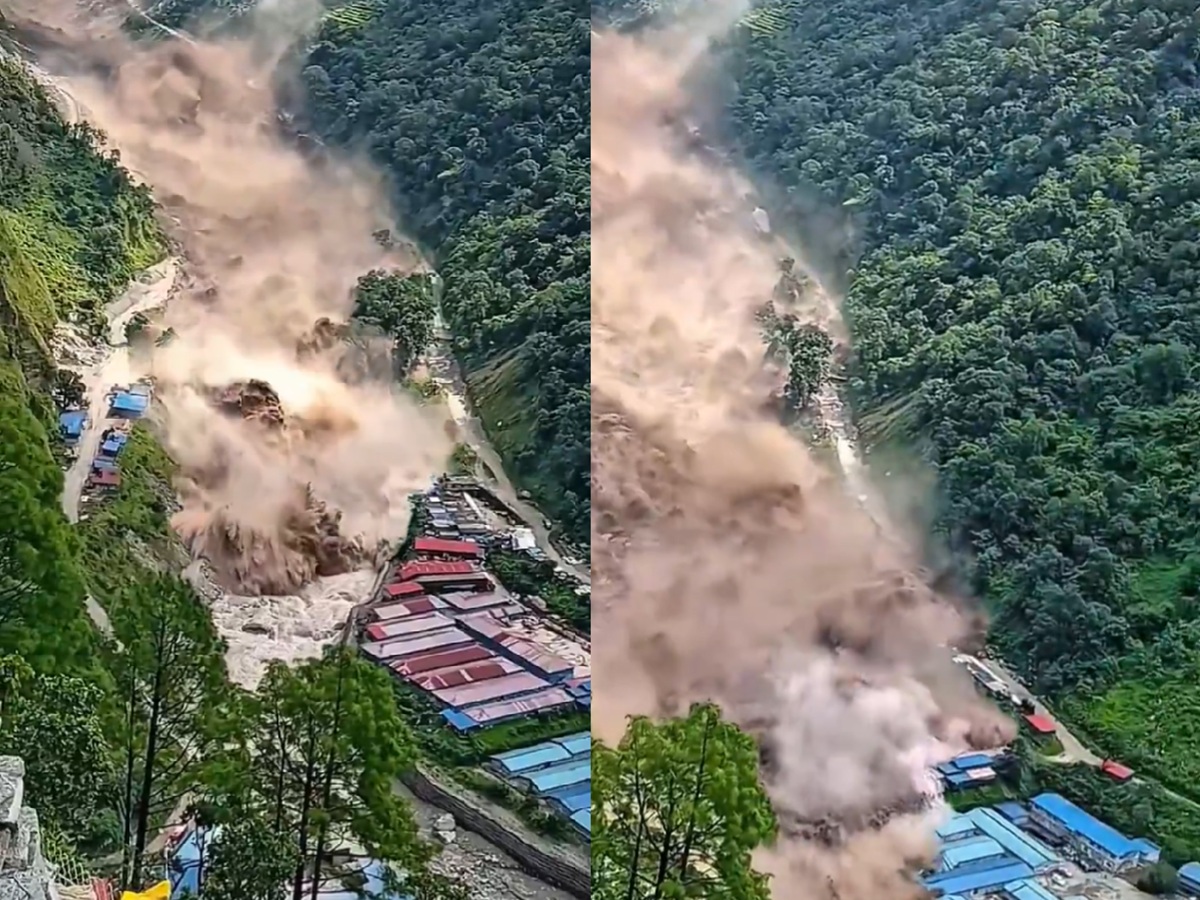
Nepal is taking extra steps to identify victims of the devastating flash floods that have killed hundreds and left thousands missing. Authorities will preserve DNA samples and other identifying evidence from unidentified and unclaimed bodies before burial.
Prime Minister Balendra Shah announced the decision on Saturday. The move comes as officials struggle to manage the large number of bodies recovered from flood-hit areas. Many remains are deteriorating rapidly. This has also raised concerns over hygiene and public health.
675 Bodies Recovered Across Flood-Hit Nepal
At least 675 bodies have been recovered from Rasuwa, Dhading, Nuwakot, Chitwan, Tanahun, Gorkha, Nawalparasi East and Nawalparasi West, Shah said. Chitwan has reported the highest number, with 233 bodies recovered so far.
Shah said bodies that can be identified by relatives will be handed over to their families. Unidentified remains will be handled by the government.
“Only bodies that cannot be identified will be managed by the government after preserving DNA and other evidence that could help establish their identity,” he said.
The remains are being placed in airtight bags. Officials are following Nepal’s Unidentified and Unclaimed Bodies Management (First Amendment) Directive, 2026.
Why Nepal Had to Bury Unidentified Bodies
The decision to bury some bodies came after hospitals and temporary facilities began running out of space. In Chitwan, officials had even converted a house into a temporary cooling centre to store the remains.
“As the number of dead bodies piled up, we used a house as a cooling centre where the bodies were kept,” an official said.
“As the house also ran out of space, we had no alternative but to bury them,” the official added.
Health experts have warned that decomposition can increase the risk of infection. The strong smell from deteriorating bodies has also become a major concern for communities and rescue teams.
DNA Records to Help Families Find Missing Relatives
Authorities are collecting DNA samples from the bodies before burial. Each set of remains is also being given a unique identification or reference number. Officials said burial pits are being dug around 1.5 metres deep. A gap of about 40 centimetres will be maintained between individual bodies.
The system is designed to allow remains to be recovered later if a DNA match is found. More than 100 bodies had undergone DNA profiling by Saturday afternoon. Officials said these remains were ready for burial. Authorities also plan to photograph and video the burial process. The burial sites will be geo-tagged to help officials locate them later.
Nearly 3,000 People Still Missing
Families searching for missing relatives will be able to submit DNA samples at designated hospitals. If a match is found, health officials can trace the corresponding body number. Police records will then help locate the burial site. The remains can be exhumed and handed over to the family.
The police have also posted online information about unidentified and unclaimed bodies to assist families in locating their missing relatives. According to reports, there are approximately 2,426 people who are still missing in Nepal, which includes foreigners as well. The missing population is around 3,000 in Nepal and Tibet combined.
Nepal Intensifies Rescue and Relief Efforts
The floods occurred in the Bhotekoshi River region of Rasuwa on August 26. The floods in this region are caused by the collapse of a glacier, resulting in the tsunami-like flow of water and debris in this region. According to Shah, the rescue activities and relief measures have increased.
“Saving the lives of every affected citizen remains the government’s first priority,” Shah said. He added that rescue and rehabilitation operations would continue until tangible results were achieved.
DNA Records to Help Families Find Missing Bodies
Nepal is carefully documenting the burial of unidentified flood victims so families can find them later. Burial pits are being dug 1.5 metres deep, with a 40-centimetre gap between bodies. Each body is placed in a sealed bag and given a unique identification number. Signboards will also mark the burial sites.
Authorities will record the process through photos and videos and geo-tag each location. Families searching for missing relatives can provide DNA samples at designated hospitals. Health officials will compare these samples with DNA from the bodies. If a match is found, police will use the body number to locate the burial site. The bodies will then be exhumed and handed over to them.
The police have also uploaded details of unidentified and unclaimed bodies on a website.
Sudeep Singh Rawat is a Copy Editor at NewsX Digital with over five years of experience in digital journalism. He covers national and international news, with a focus on politics, crime, technology, public affairs, and trending topics. Before joining NewsX Digital, he worked with Business Standard, The Sunday Guardian, and other digital media organisations. His reporting focuses on breaking news, enterprise stories, and explainers that inform readers through accurate, balanced, and context-driven journalism.
The post Nepal Buries Unidentified Bodies With DNA, Numbers and Geo-Tags; Here’s How Families Can Find Them Later appeared first on NewsX.